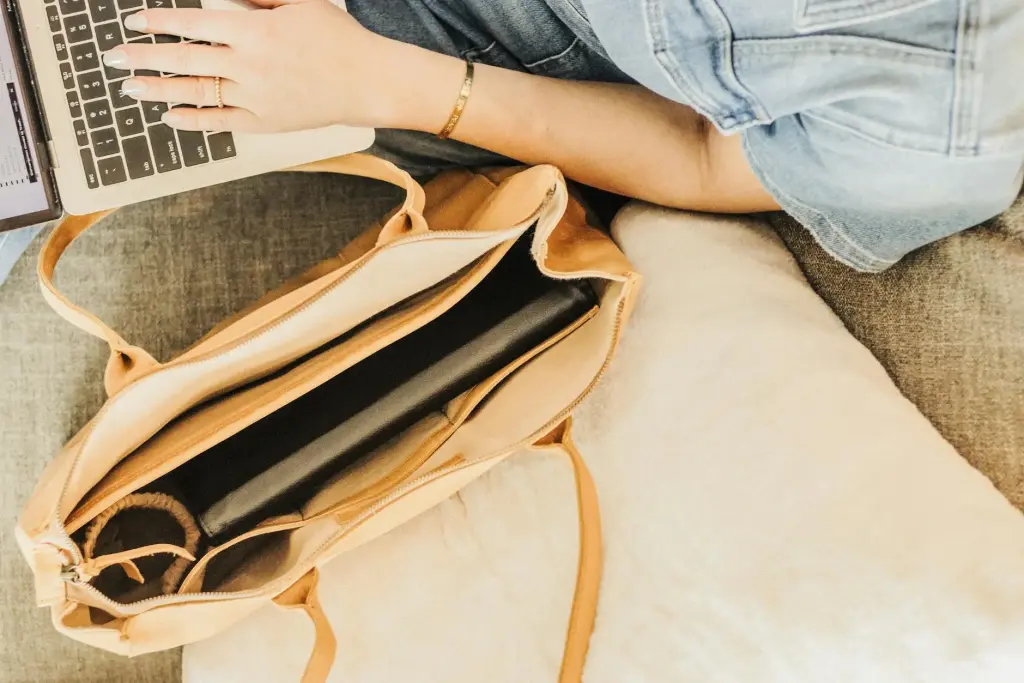
Gen Z has found the ultimate hack for doomscrolling: analog bags. Yep, you read that right. While the internet was built on endless scroll culture, a new wave of Gen Z creators is fighting fire with fire—or rather, with knitting needles and puzzle books. The trend dubbed the "analog bag" has exploded across TikTok, with young people packing tangible, screen-free activities into tote bags to reclaim their attention span.
The movement was sparked by content creator Sierra Campbell, a 31-year-old based in California, who went viral after confessing her biggest fear: "I'll lie on my deathbed and regret how much time I spent on the phone." She showed followers what she packs in her tote bag—knitting needles, puzzle books, a deck of cards—and the idea took off like wildfire. The irony of an anti-scrolling measure going viral online is not lost on anyone, but that's exactly what makes it work.
What Exactly Is an Analog Bag?
An analog bag is exactly what it sounds like: a bag filled with analog activities—things that don't require a screen, Wi-Fi, or a battery. We're talking crossword puzzles, adult coloring books, journals, yarn for crocheting, playing cards, even small tabletop games. The point is to have physical distractions ready to go whenever the urge to doomscroll hits. Instead of reaching for your phone during a boring commute or a late-night scroll session, you reach into your bag and pull out something tangibly engaging.
According to The National, the trend has been compared to previous Gen Z movements like the rise of vinyl records and disposable cameras—it's all about embracing analog experiences in a digital world. But this one comes with a side of self-awareness about the irony.
The Stats Behind the Screen Crisis
If you're wondering why Gen Z is so desperate for a screen time fix, the numbers paint a stark picture. According to Pew Research 2024 data, nearly half of US teens now view social media's effects as mostly negative—a 16-point jump from just two years earlier. That's not a small shift. That's a generational course correction in real time.
And it's not just perception. The 2025 TouchPoints study by the Institute of Practitioners in Advertising found that the average phone user aged 15 and above spends a whopping 7.5 hours per day on their mobile device. Let that sink in. That's basically half of your waking life staring at a screen. Reported by The National, this data underscores why the analog bag movement isn't just a cute TikTok trend—it's a practical response to a documented addiction crisis.
Even more telling, 44% of teens have actively tried to cut back on smartphone use. They're not just complaining about screen fatigue; they're doing something about it. The analog bag is just one visible manifestation of a larger cultural pivot toward intentional tech use.
The NPR Seal of Approval
The trend officially hit mainstream recognition when NPR's Weekend Edition Sunday ran a full segment on April 12, 2026, profiling Brynne Annika Fritjofson, a Gen Z influencer who carries a strawberry-covered tote bag with a yellow Labubu keychain. Fritjofson works in social media full time, so she knows a thing or two about the dark side of the algorithm. "I think [an analog bag] helps you slow down and embrace different things in your life that you wouldn't do if you're scrolling," she told NPR.
That quote captures the core appeal of the analog bag philosophy. It's not about ditching technology entirely—it's about creating boundaries. Having a physical alternative within arm's reach makes it easier to break the automatic reach-for-your-phone reflex. You can read more about screen time research in our AI News section.
Why This Trend Is Here to Stay
Unlike many viral moments that fade within weeks, the analog bag trend has structural staying power. It's tied to a genuine pain point—screen addiction—that isn't going away. And unlike abstract advice like "just use your phone less," an analog bag provides a concrete, actionable alternative. It's low-cost, customizable, and Instagram-worthy, which means it spreads easily on social media.
The market potential is real too. According to Fortune, the analog economy—everything from crossword puzzle books to yarn kits—is estimated as a multi-billion dollar market driven largely by Gen Z demand. This isn't just a vibe; it's a spending shift.
If you want to dive deeper into how Gen Z is navigating the digital age, check out our AI News coverage for more context on tech habits and digital wellness trends.
How to Build Your Own Analog Bag
Starting your own analog bag is stupidly simple. Grab any bag—tote, backpack, fanny pack, whatever works—and fill it with screen-free activities you actually enjoy. Puzzle books are a low barrier to entry. A journal and pen? Great for processing thoughts without an algorithm involved. Yarn and knitting needles take up more space but kill time like nobody's business. A deck of cards works for solo play or social situations.
The key is making it feel intentional, not like homework. You're not punishing yourself by doing a crossword—you're giving your brain a different kind of workout. The best analog bag is one you'll actually reach for when you're bored, not one that sits in the corner collecting dust.
Gen Z isn't naive about the irony of finding anti-screen solutions on social media. But they're pragmatic. If the algorithm is going to serve them content anyway, they might as well let it serve them something that helps them log off. Call it self-aware survival. The analog bag is less about rejecting technology and more about reclaiming attention on your own terms.
Comments 0
No comments yet. Be the first to share your thoughts!
Leave a comment
Share your thoughts. Your email will not be published.