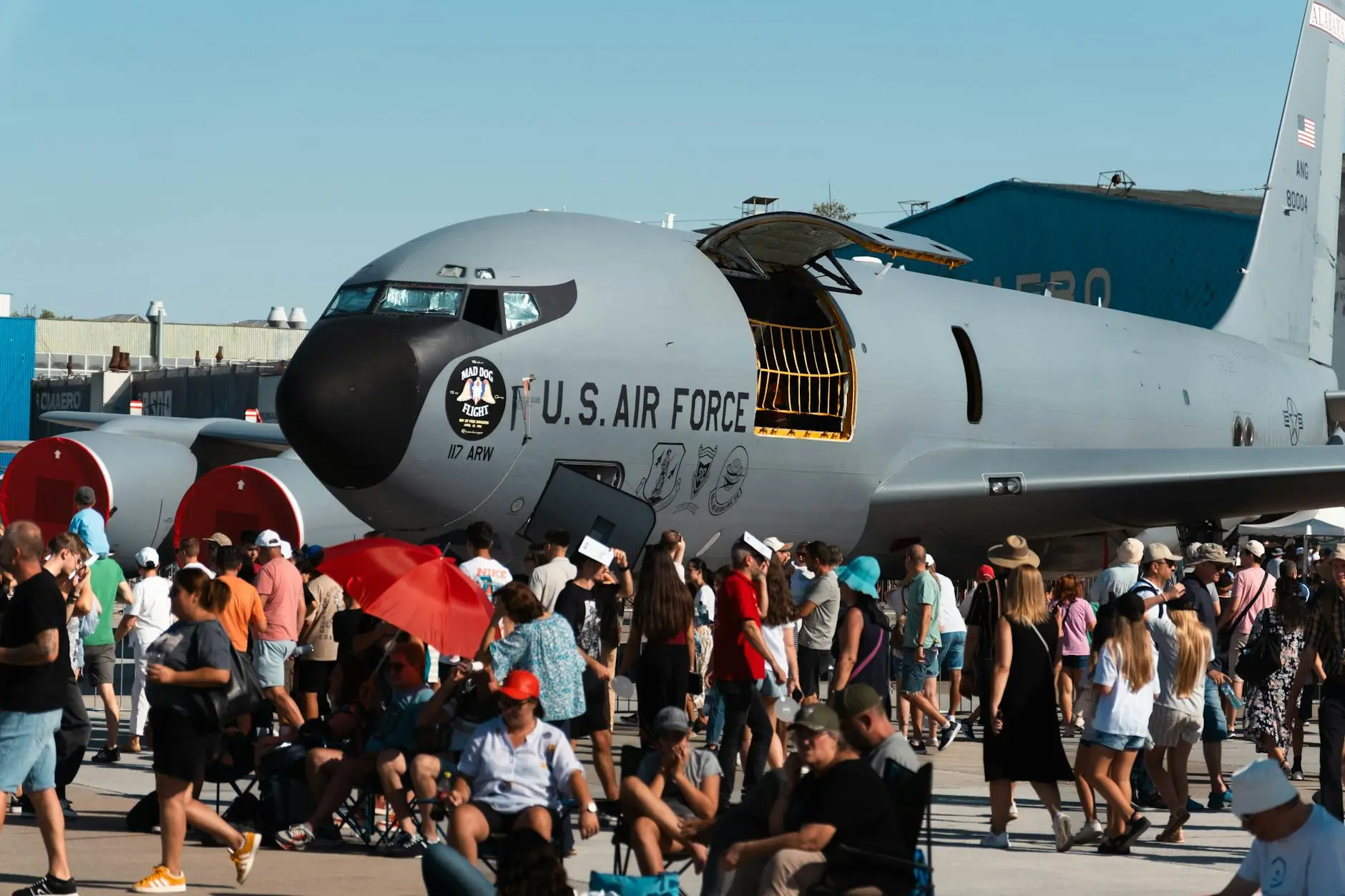
A US Air Force KC-135 Stratotanker refueling aircraft crashed in western Iraq on Thursday during Operation Epic Fury, marking the fourth American aircraft lost since the US-Israel war with Iran began February 28. US Central Command confirmed the incident was "not due to hostile or friendly fire" and stated rescue efforts are ongoing for the crew.
KC-135 Crash Details Emerge
The crash involved two KC-135 tankers operating in friendly airspace over western Iraq. One KC-135 went down while the second landed safely without incident, according to military officials. At least five crew members were aboard the downed KC-135, The Guardian reported citing a US official. The KC-135 typically carries a crew of three to four, including a pilot, copilot, and boom operator who manages the refueling boom.
This marks the fourth US aircraft lost in the Iran conflict. On March 1, three F-15E Strike Eagle fighter jets were shot down by a Kuwaiti F/A-18 in a friendly fire incident, though all crew members survived. The Defense News reported that over 20 KC-135 tankers were forward-deployed to the Middle East at the end of February to support intensive air operations against Iranian targets.
Operation Epic Fury's Mounting Costs
The Pentagon revealed staggering financial figures this week. Politico reported that the war's first week alone cost approximately $11.3 billion—a figure that exceeds many analysts' initial projections for months of operations. Lawmakers now expect a supplemental funding request of at least $50 billion to continue military activities.
The human toll continues to climb alongside the financial burden. Seven US service members have died and approximately 140 have been wounded—eight severely—since Operation Epic Fury began, according to Defense Department officials. These casualties include aircrew, ground personnel, and sailors injured in a recent fire aboard an aircraft carrier supporting operations in the region.
What is the KC-135 Stratotanker?
The Boeing KC-135 Stratotanker has been the backbone of American aerial refueling operations for over six decades. First introduced in 1957, these four-engine jets enable US fighter aircraft to extend their range dramatically, allowing for sustained operations over vast distances. Without tanker support, many combat missions in the Middle East would be impossible.
The aging fleet—some aircraft have been flying for over 60 years—has faced maintenance challenges and modernization questions for years. Flight Global noted that at least 20 KC-135s were rushed to the region in late February to support the unexpected surge in combat operations against Iran. The crash raises new questions about operational tempo and aircraft stress on the aging KC-135 fleet.
War Enters Second Week With No Clear End
President Trump has sent mixed signals about the war's duration. After initially suggesting operations could last "four to five weeks," he told CBS News on Monday that the war was "very complete," only to tell GOP lawmakers a day later that "we haven't won enough." The conflicting messaging comes as the conflict enters its 14th day with no diplomatic resolution in sight.
CNN reported that Iranian forces continue launching missile attacks against Israel, with Hezbollah conducting simultaneous strikes from southern Lebanon. The KC-135 crash occurred amid this intensifying operational environment, where American tankers have been flying constant missions to keep fighter jets fueled for combat sorties against Iranian targets.
What This Means for Gen Z
For Gen Z, the KC-135 crash and mounting casualties put a human face on distant military operations. As the generation most likely to serve in future conflicts, these losses highlight the real risks behind policy decisions. The war's $11 billion weekly cost also raises questions about budget priorities when younger generations face student debt crises, housing affordability challenges, and climate change concerns.
The aging KC-135 fleet's struggles mirror broader infrastructure challenges facing the nation—old systems being pushed beyond their limits. As this conflict continues, Gen Z will be watching how leaders balance military objectives with fiscal responsibility and human lives. The KC-135 incident serves as a reminder of the human cost behind every military operation, even when not caused by enemy fire. Stay updated on military developments and what they mean for your generation at GenZ Newz.
Comments 0
No comments yet. Be the first to share your thoughts!
Leave a comment
Share your thoughts. Your email will not be published.