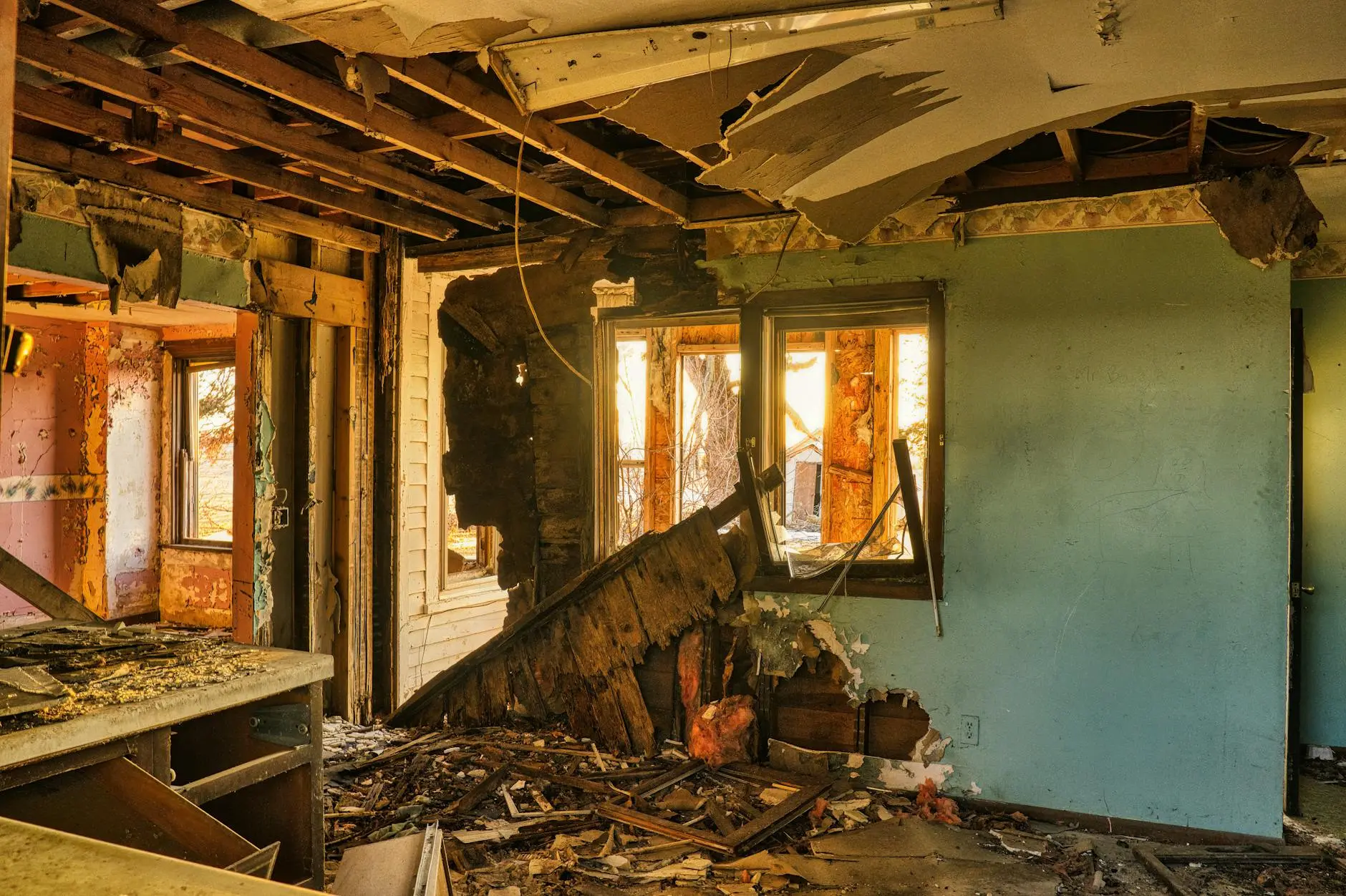
What Happened at Shajareh Tayyebeh Elementary School
A preliminary US military investigation has determined that outdated intelligence led the United States to carry out a devastating missile strike on an elementary school in Iran, killing over 165 people—many of them innocent children. The strike hit Shajareh Tayyebeh Elementary School in Minab, Iran on February 28, 2026, during the opening hours of the US-Israel war against Iran. According to sources briefed on the investigation, the school was located near a base for the Iranian Revolutionary Guard, but the military used outdated targeting information that failed to account for the school's presence.
This marks one of the highest civilian death tolls from a single US military incident in 35 years, according to reports from NPR. The Iran school strike has sent shockwaves around the world, raising serious questions about military intelligence protocols and civilian protection measures. For Gen Z watching from around the world, this conflict represents a devastating reminder of the real human cost when military operations go wrong.
Investigation Reveals Shocking Intelligence Failures
Sources familiar with the preliminary findings told Military.com and the Los Angeles Times that outdated intel likely led the US to carry out the deadly Iran school strike. The investigation points to systemic failures in intelligence gathering and target verification. The Shajareh Tayyebeh Elementary School was situated near an Iranian Revolutionary Guard base, but outdated maps or satellite imagery apparently failed to show the school building clearly.
The tragedy has intensified scrutiny of the Trump administration's military decisions, particularly cuts to civilian harm mitigation programs. Former Pentagon officials have pointed to reductions at US Central Command and the Civilian Protection Center of Excellence—signed into law in 2022 specifically to reduce death tolls from strikes—as contributing factors to this disaster. According to reporting from the New York Times and NPR, these cuts may have directly contributed to the intelligence failures that led to the Iran school strike.
Trump Administration's Response Sparks Outrage
When asked about the investigation into the Iran school strike, President Trump told reporters, "I don't know about it." This response has drawn criticism from human rights advocates and military analysts alike. Previously, Trump had suggested the missiles were "generic" and could have been fired by Iran, attempting to shift blame away from US forces. However, CNN investigations have found video evidence contradicting these claims, confirming US responsibility for the deadly attack.
The administration's handling of the Iran school strike investigation has raised serious concerns about transparency and accountability. Senator Chris Coons of Delaware, a Democratic member of the Senate Foreign Relations Committee, has called for a full congressional review of the incident. The cost of the war has already ballooned beyond $10 billion according to Senator Coons, with replacement munitions alone costing well beyond that figure.
Global Impact: Oil Prices Surge and Strait of Hormuz Crisis
The Iran school strike comes as the war enters its 14th day, with tensions escalating dramatically. Iran's new Supreme Leader Mojtaba Khamenei, appointed after his father Ayatollah Ali Khamenei was killed in US-Israeli air strikes, has vowed revenge and promised to keep the Strait of Hormuz closed as a "tool to pressure the enemy." Oil prices have surged past $100 per barrel, and global markets are tumbling as a result.
At least seven commercial ships have been attacked in the Strait of Hormuz, through which 20% of the world's oil supply passes. Energy Secretary Chris Wright admitted that US military escorts for oil tankers through the crucial waterway "can't happen now" but may be in place by April. The humanitarian crisis is deepening, with civilian casualties mounting on all sides and questions about accountability growing louder every day.
What This Means for Gen Z
For Gen Z following these developments, the Iran school strike is a stark reminder of how quickly global conflicts can escalate and how devastating the consequences can be for innocent civilians. The tragedy at Shajareh Tayyebeh Elementary School shows why demanding transparency, accountability, and strong civilian protection protocols from military leaders matters. As this conflict continues to unfold, staying informed through reliable sources like The New York Times and Military.com is crucial for understanding the complex realities of modern warfare.
Comments 0
No comments yet. Be the first to share your thoughts!
Leave a comment
Share your thoughts. Your email will not be published.