The Iran war is spreading well beyond the battlefield. As US and Iranian forces clash in the Persian Gulf and across the broader Middle East, the economic shockwaves are being felt most acutely in Europe, where inflation has ticked back up to 3 percent in April — a reversal after months of progress toward the European Central Bank's 2 percent target, according to AP News. ECB President Christine Lagarde warned that the oil price surge triggered by the conflict represents a "significant upside risk" to the inflation outlook, and that the bank stands ready to adjust its monetary policy accordingly.
The chain of causation runs through global energy markets. The US naval blockade of the Strait of Hormuz — the world's most critical oil shipping lane — has cut Iranian oil exports to near zero. Even though Iranian crude accounts for only about 3 percent of global oil supply, the fear of further disruption has pushed Brent crude futures up by more than 32 percent since the Iran war began in January 2026. That fear premium has rippled through gasoline prices, heating oil, and ultimately every industry that relies on transportation or energy inputs.
Why Europe Is Especially Vulnerable
Europe gets a substantial portion of its crude oil imports from the Middle East Gulf region, and European refineries are configured to process heavier, sour crude grades from Iran and Iraq. When those supplies tighten, European utilities face higher replacement costs. According to the European Commission's latest energy report cited by AP News, EU member states have been drawing down strategic petroleum reserves to cushion the immediate shock — but those reserves cannot cover a prolonged disruption.
Germany, Italy, and Spain — Europe's three largest economies — have each seen retail gasoline prices rise by between 18 and 24 cents per liter since February, according to national energy price monitors. Dutch energy consultancy Insights Global, cited by Reuters, estimates that European diesel prices have risen by more than 20 percent since the Iran war began, adding directly to freight and logistics costs that ultimately show up in consumer goods prices on store shelves.
The Broader Economic Fallout
Beyond energy, the Iran war is disrupting global supply chains that European manufacturers depend on. Pharmaceutical ingredients that transit through the Persian Gulf region have faced delays. Chemical inputs used in fertilizer and plastics production have risen in price. According to the International Monetary Fund's April World Economic Outlook, the Iran war has subtracted an estimated 0.2 to 0.4 percentage points from global GDP growth — with Europe bearing a disproportionate share of that slowdown.
The combination of renewed inflation and slowing growth has created a difficult situation for the ECB, which had been widely expected to begin cutting interest rates in mid-2026. Markets now price a significantly delayed easing cycle, with rate cuts pushed back to late 2026 or early 2027, according to futures data reported by the AP. Higher rates for longer mean higher borrowing costs for businesses and governments across Europe, adding further drag to an already fragile economic recovery.
Consumer Pain at the Pump
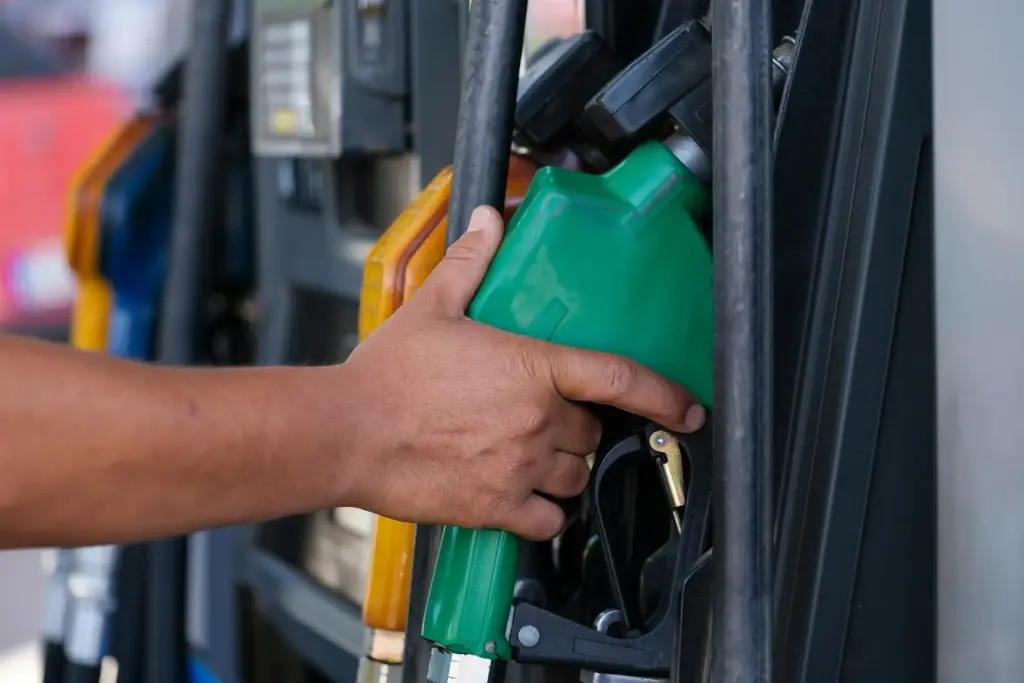
For ordinary Europeans, the most visible impact is at the fuel pump. In Germany, the average price for a liter of E10 gasoline reached 1.89 euros in late April — the highest level since the 2022 energy crisis. French drivers have seen similar increases, with the French government announcing a temporary reduction in fuel taxes as a political response. Italian households are spending an average of 140 euros more per month on energy and fuel compared to January, according to the Italian statistics bureau ISTAT.
The political consequences are already visible. In Germany, Chancellor Friedrich Merz's coalition has seen its approval ratings slip amid public frustration over living costs, according to polling published by Bild. In France, President Emmanuel Macron's government faces mounting pressure to shield households from energy price shocks ahead of municipal elections. Across the continent, the Iran war's economic fallout is becoming a domestic political problem for European leaders who have little ability to influence the conflict's outcome.
Comments 0
No comments yet. Be the first to share your thoughts!
Leave a comment
Share your thoughts. Your email will not be published.