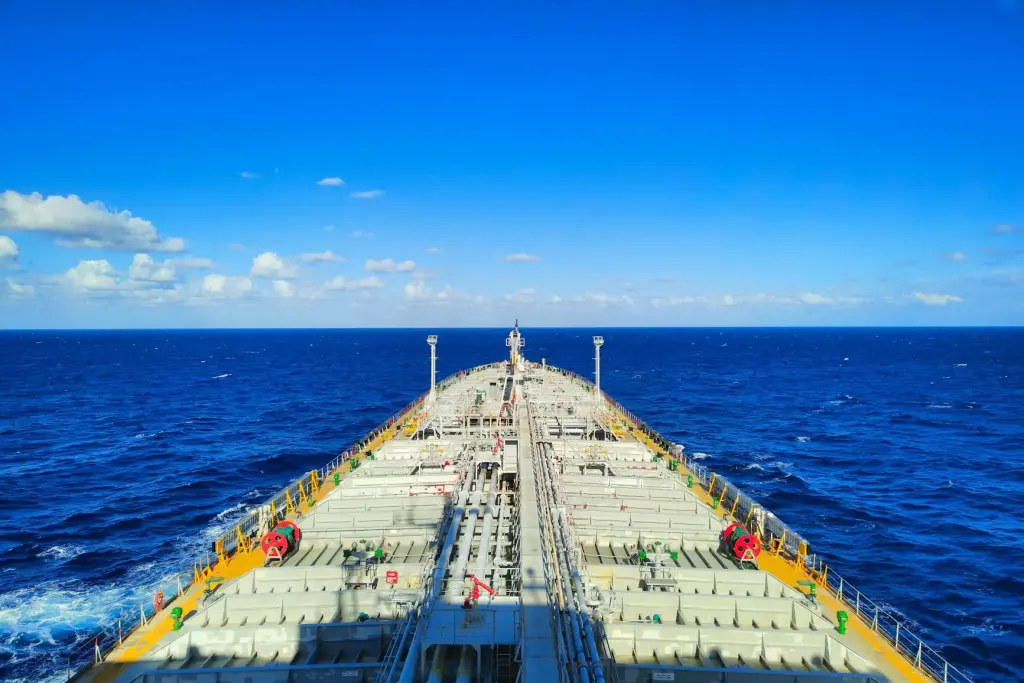
President Donald Trump just escalated tensions with Iran to a whole new level. On April 12, 2026, he announced via Truth Social that the U.S. Navy would "begin the process of BLOCKADING any and all Ships trying to enter, or leave, the Strait of Hormuz" effective immediately. This comes just hours after peace talks in Islamabad, Pakistan completely collapsed, marking a terrifying new chapter in the ongoing conflict.
The Talks That Failed
For the first time since the 1979 Iranian Revolution, U.S. and Iranian officials sat down face-to-face. Vice President J.D. Vance led the American delegation in marathon negotiations that lasted for hours. According to USA Today, the talks broke down over Iran's refusal to commit to abandoning its nuclear ambitions. This was supposed to be the breakthrough moment, but instead it's looking like the start of something much worse.
Iran's Foreign Ministry spokesman Esmaeil Baqaei stated that the impasse involved deep disagreements over nuclear policy, sanctions relief, and control of the Strait itself. Parliament speaker Mohammad Bagher Qalibaf didn't hold back either, saying it's time for the U.S. "to decide whether it can gain our trust or not." That's not exactly diplomatic language, and it shows just how far apart both sides remain.
What Is the Strait of Hormuz and Why Does It Matter?
Let us break it down for you. The Strait of Hormuz is a narrow waterway between Oman and Iran that connects the Persian Gulf to the Gulf of Oman and ultimately the Arabian Sea. It's one of the most critical chokepoints for global oil shipments. Roughly 20% of the world's oil supply passes through this narrow passage every single day.
Iran had already been limiting oil tanker traffic through the Strait before Trump's announcement, which caused global oil prices to surge significantly. Now with an actual blockade threat, markets are panicking. Gas prices are expected to spike hard, and that's something every Gen Z feeling the pinch at the pump already knows way too well about. We literally just dealt with $7 gas not that long ago. Nobody wants a repeat of that.
The Tuesday Deadline and What's Next
Trump set a Tuesday deadline of 8:00 p.m. ET for Iran to reopen the Strait or face strikes on civilian infrastructure, reported by South Florida Reporter. This is not some empty threat either. The administration has been clear that if Iran doesn't comply, the consequences will be severe and far-reaching.
This blockade threat comes amid a six-week conflict that has already devastated the region. Millions of people in the Middle East are living through what has become one of the most intense escalations in decades. Civilian infrastructure has been hit, humanitarian crises are unfolding, and now the prospect of a full naval blockade is on the table.
The international community is watching closely. Allies in Europe and Asia are scrambling to assess what this means for their own energy security. China, which relies heavily on oil shipments through the Strait, has reportedly urged both sides to de-escalate. But at this point, the pressure is mounting with no clear off-ramp in sight.
What This Means for You
Look, we know this sounds like something that happens far away and affects big governments and corporations. But it hits home. When oil prices surge, gas goes up, everything from groceries to online shopping gets more expensive because transportation costs climb. That's the trickle-down effect nobody wants but everybody gets.
There is also the very real risk of things spiraling into a full-scale military confrontation. The business world is already bracing for volatility. Stock markets dropped sharply following the announcement, and energy companies are scrambling to figure out contingency plans.
This situation represents everything that feels broken about global politics. Sanctions, threats, broken negotiations, and civilians caught in the middle. The fact that we're talking about a potential blockade of one of the world's most vital shipping lanes in 2026 feels almost surreal but here we are. The world is watching, and the next few days will determine whether this escalates further or if some kind of last-minute diplomatic miracle happens.
Stay informed, stay aware, and do not ignore what's happening. Because when global tensions spike like this, it affects everything from your gas tank to your investment portfolio to the overall stability of the world your generation is inheriting. The Strait of Hormuz crisis is far from over, and its fallout will be felt for months to come.
Comments 0
No comments yet. Be the first to share your thoughts!
Leave a comment
Share your thoughts. Your email will not be published.