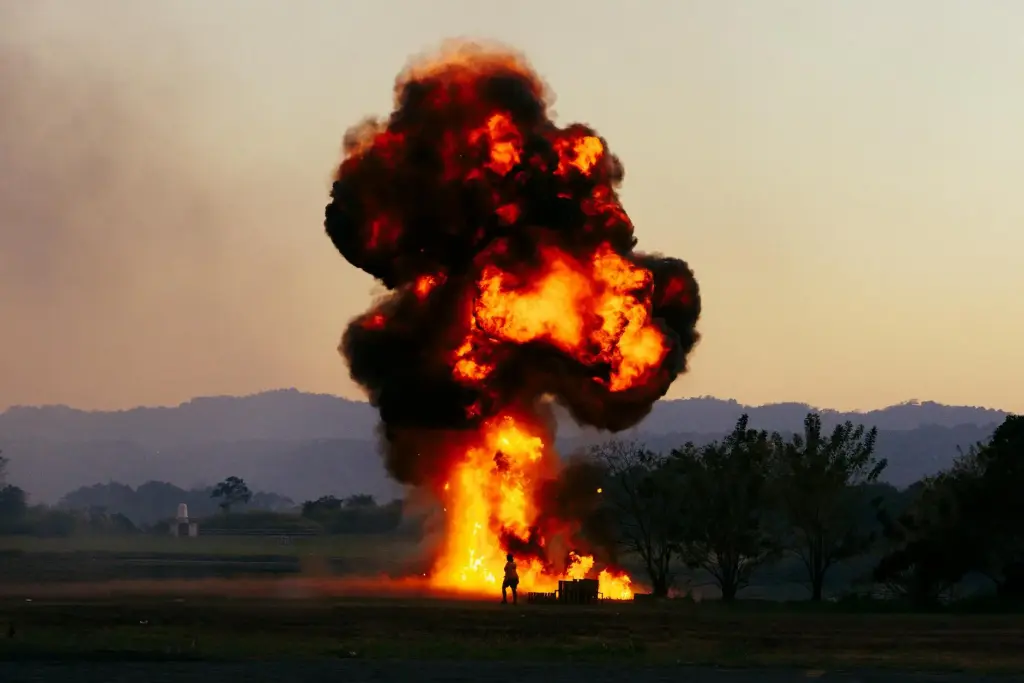
The Israel-Iran war just escalated in a major way that will directly hit your wallet through rising Iran war oil prices. On Day 32 of the conflict, Iranian forces attacked a Kuwaiti oil tanker anchored near Dubai, according to Kuwait's state news agency KUNA. This marks a dangerous expansion of the war beyond Israel's borders and into the Persian Gulf's critical shipping lanes.
Oil Prices Are Skyrocketing and It Affects Everything
Brent crude oil is now trading at around $107 per barrel, up more than 45% since the war started on February 28, 2026. That is not just a number on a trading screen—it means higher gas prices at the pump, more expensive flights for your summer travel, and rising costs for everything from food to fashion.
According to AP News, Iran has maintained its chokehold on the Strait of Hormuz, closing off the vital waterway for global energy shipments and sending shockwaves through world markets. About one-fifth of the world's oil shipments pass through this narrow channel, making it a critical chokepoint for the global economy.
Trump's Threats Are Making Everything More Volatile
President Donald Trump has been ramping up his rhetoric in ways that have markets on edge. In a Financial Times interview, Trump said his preference would be to take the oil in Iran and threatened that US forces could seize the regime's export hub on Kharg Island. He also warned he would obliterate Iran's energy infrastructure if negotiations fail.
But here is where it gets complicated: while publicly making these threats, the White House press secretary says US talks with Iran are going well. This mixed messaging is creating massive uncertainty in global markets and keeping Iran war oil prices extremely volatile.
CNN reports that Iranian officials at the negotiating table now appear more reasonable than the regime's previous leader, suggesting there might be a path to de-escalation. But with both sides trading missile strikes and cyber attacks, that path is looking increasingly narrow.
What Is Actually Happening on the Ground
The Institute for the Study of War, a respected defense research organization, reports that the IDF has been conducting waves of strikes on Iranian regime infrastructure. Recent targets include the Parchin Military Complex near Tehran, a weapons research and development site that works on nuclear weapon delivery systems.
Meanwhile, Reuters reports that four Israeli soldiers were just killed in southern Lebanon, where Hezbollah—the Iran-backed militant group—continues to exchange fire with Israeli forces. Three UN peacekeepers were also killed in Lebanon as Israeli strikes pummel the south.
The war has now displaced over 1 million people in Lebanon alone, according to Reuters, and the death toll continues to climb on both sides. In Israel, shopping malls that closed during the initial wave of attacks have cautiously reopened, but air raid sirens still send people scrambling to bomb shelters.
Why Gen Z Should Care About Iran War Oil Prices
This is not just a faraway conflict. The economic ripple effects are already here. Morgan Stanley has downgraded global equities as investors flee to safer assets. Cathay Pacific is struggling with rising jet fuel costs. South Korea just proposed a $17.3 billion extra budget specifically to mitigate the economic shock from the Middle East.
If oil prices stay this high or climb higher, expect everything to get more expensive. Shipping costs drive retail prices. Airfare for that study abroad trip or summer vacation? Going up. The cost of producing plastics, synthetic fabrics, and even fertilizer? All tied to oil prices.
According to the Guardian, Yemen's Iran-backed Houthi militia has now entered the conflict, bringing the threat of further damage to the global economy. Thousands of US paratroopers are arriving in the Middle East as the buildup intensifies and Iran war oil prices continue to fluctuate wildly.
The bottom line: this war started over a month ago, but its economic impact is just beginning to hit home for young people everywhere. Whether you are filling up your car, booking a flight, or just buying groceries, the Israel-Iran conflict is now part of your monthly budget calculation.
Comments 0
No comments yet. Be the first to share your thoughts!
Leave a comment
Share your thoughts. Your email will not be published.