The Iran war oil prices crisis has entered a dangerous new phase in March 2026, sending shockwaves through global energy markets and threatening to impact everything from gas prices to grocery bills for millions of young people worldwide. With Iran war oil prices surging past $100 per barrel for the first time in years, the conflict is rapidly becoming one of the most significant geopolitical crises affecting Gen Z's financial future.
Following the appointment of Mojtaba Khamenei as Iran's new Supreme Leader, Tehran has taken an unprecedented aggressive posture. According to NPR, the new leader has vowed to keep the Strait of Hormuz closed and continue attacks on U.S. bases, dramatically escalating tensions in the region. The conflict has already resulted in over 1,300 deaths in Iran, 687 in Lebanon, and 12 in Israel, with U.S. casualties also reported.
The situation marks a significant shift from previous Iranian leadership, with experts noting that Mojtaba Khamenei's hardline stance suggests a prolonged conflict rather than diplomatic resolution. This new reality is forcing global markets to recalibrate expectations for energy stability. The Iran war oil prices surge reflects growing uncertainty about when, or if, normal shipping routes will reopen.
The New Supreme Leader's Hardline Stance
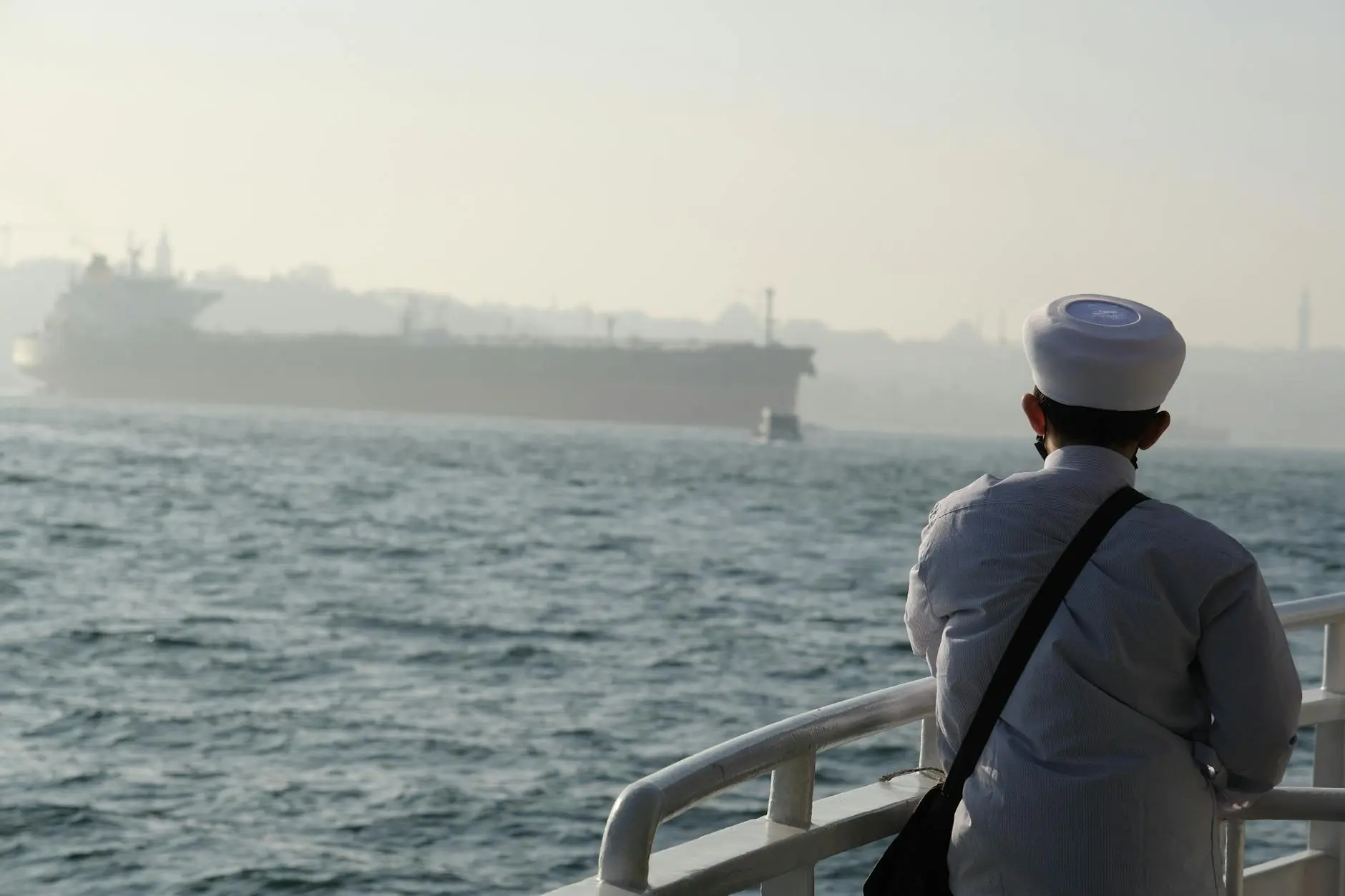
The Strait of Hormuz, a narrow waterway between Iran and Oman, serves as the jugular vein of global energy supply. Approximately 20% of the world's oil and 27% of LNG trade passes through this critical chokepoint. When Iran declared the strait "closed" and began attacking transit ships, the immediate impact on global markets was swift and severe.
According to CNN, Iran has escalated the conflict by laying mines in the strait and threatening to set fire to tankers. U.S. forces have responded by sinking 16 Iranian minelayers, but the situation remains volatile. The International Energy Agency is now considering releasing emergency oil stockpiles to stabilize markets.
The strategic importance of this waterway cannot be overstated. Countries across Asia, Europe, and the Americas depend on Hormuz for their energy supplies. Any prolonged closure threatens not just Iran war oil prices but the entire global energy ecosystem that powers modern economies.
Strait of Hormuz: The World's Oil Lifeline Under Threat
The market reaction to the Iran war oil prices crisis has been dramatic. Brent crude surged to nearly $120 per barrel, while West Texas Intermediate (WTI) surpassed $110—the first time oil has crossed the $100 threshold since Russia's 2022 invasion of Ukraine. Saudi Aramco has warned of "catastrophic consequences" for oil markets if flows through the strait remain disrupted.
However, markets have shown extreme volatility. According to Reuters, oil prices dropped over 11% in a single day—the largest decline since 2022—after President Trump predicted the conflict would end "very soon." Yet despite these fluctuations, Iran war oil prices remain significantly above pre-conflict levels, indicating sustained market anxiety about long-term supply stability.
Analysts at major financial institutions are warning that Iran war oil prices could climb even higher if military operations expand or if other regional producers become entangled in the conflict. The uncertainty has triggered renewed interest in alternative energy investments and electric vehicles.
Oil Markets in Turmoil
For young people already navigating economic uncertainty, the Iran war oil prices crisis presents another challenge to financial stability. Rising oil prices translate directly to higher costs at the gas pump, increased transportation expenses for goods, and potential inflation across the economy. Energy costs affect everything from commute prices to the cost of streaming subscriptions that rely on data centers powered by fossil fuels.
The crisis also highlights the interconnected nature of global geopolitics and personal finance. A conflict thousands of miles away can impact job markets, travel costs, and everyday expenses in ways that may persist long after headlines fade. Many Gen Z workers who drive for delivery apps or rely on affordable transportation are already feeling the pinch at the pump.
What This Means for Gen Z
U.S. Defense Secretary Pete Hegseth has stated the war will not end until Iran is decisively defeated, raising concerns about prolonged conflict. President Trump's assurances of a quick resolution have been met with skepticism from analysts who note that securing the Strait of Hormuz presents significant military challenges that cannot be resolved through diplomatic declarations alone.
The situation remains fluid, with the potential for further escalation or unexpected developments. For now, the Iran war oil prices surge stands as a stark reminder of how quickly global events can reshape economic realities—and why staying informed about world affairs matters for everyone, regardless of where you live.
Comments 0
No comments yet. Be the first to share your thoughts!
Leave a comment
Share your thoughts. Your email will not be published.