Iran has offered to reopen the Hormuz Strait within seven days if the United States takes initial steps toward easing military pressure, a senior Iranian government official told Kyodo News on Tuesday.
The proposal was conveyed to Washington through mediators and calls for renewed talks aimed at reaching a permanent end to hostilities, according to the Kyodo News report. The Iranian official said the initiative has been approved by Supreme Leader Mojtaba Khamenei and the Supreme National Security Council, the country's top security body.
What Tehran is offering
Tehran is seeking clear signs that Washington is prepared to return to negotiations. The steps Iran wants include an end to the U.S. military blockade of Iranian ports and a halt to military operations related to the Hormuz Strait. If Washington moves first, the official said, Iran is prepared to reopen the waterway within a week and return to the negotiating table.
The proposal was sent to Washington through mediators on Sept. 16, according to reports carried by Reuters, and Iran's delegation at the U.N. General Assembly in New York has been authorized to consult with intermediary countries this week. The gathering brings together leaders attending the 81st session of the General Assembly.
The official ruled out a direct meeting between Iranian President Masoud Pezeshkian and U.S. President Donald Trump on the sidelines of the gathering. But the official added: "There is a possibility of moving toward an agreement," while warning that Washington must demonstrate "seriousness and commitment" if diplomacy is to advance.
On Saturday, Supreme National Security Council Secretary Mohsen Rezaei said Tehran had presented Washington with seven conditions for returning to negotiations, including an end to the blockade of Iranian ports and the unfreezing of Iranian assets. The official who spoke to Kyodo News did not say whether the latest proposal amounts to a partial relaxation of those conditions.
Why the Hormuz Strait moves oil prices
Oil markets reacted quickly to the prospect of the Hormuz Strait reopening. Brent crude futures fell 89 cents, or 0.89 percent, to $99.45 a barrel at 0932 GMT on Tuesday, according to Reuters, dropping below one hundred dollars a barrel. U.S. benchmark crude traded around $91 a barrel, OilPrice reported, a decline of roughly three percent early in the session.
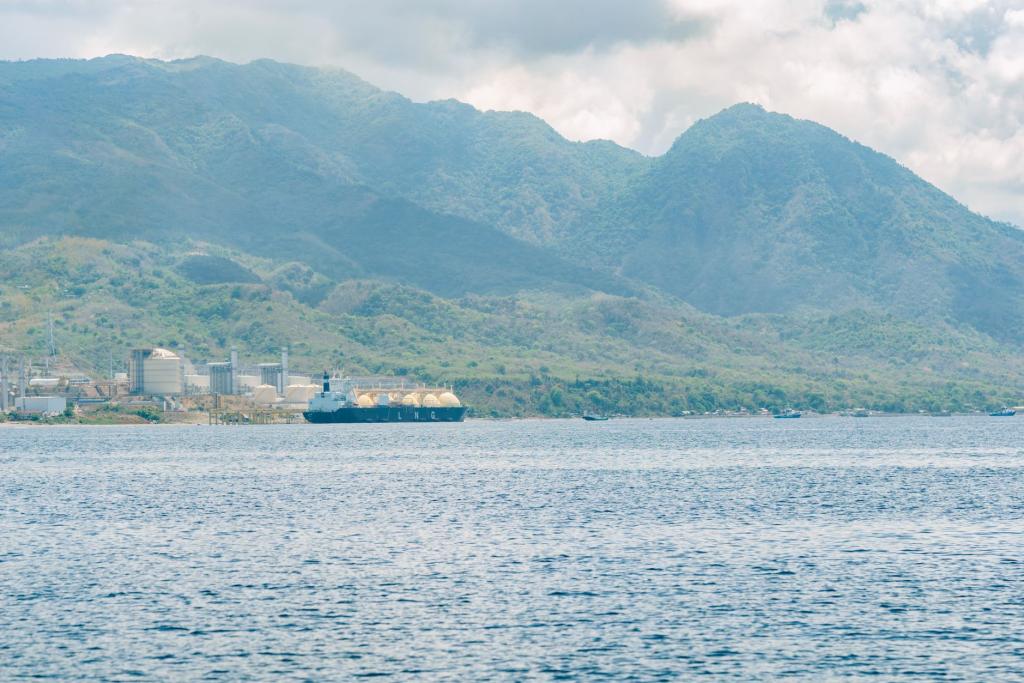
The Hormuz Strait is a major global energy corridor. The waterway carried about one-fifth of global oil and liquefied natural gas supplies before the U.S.-Israeli attacks on Iran began in late February, according to Reuters. Since the war started, commercial shipping through the passage has fallen far below prewar levels, and crude had spiked above one hundred and twenty dollars a barrel earlier in the conflict.
The war began in late February after the United States and Israel launched attacks on Iran, Kyodo News reported. The tension has even spilled into the skies: mysterious lights seen over Tehran on Sept. 20 drew wide attention online on the same night Iranian officials issued fresh warnings about potential attacks on American bases, as GenZ NewZ reported. A U.S.-Iran memorandum of understanding reached in June broke down amid renewed hostilities and unresolved disputes, and the two sides have since engaged in intermittent exchanges of attacks, raising concern over a full-scale resumption of hostilities.
A fragile window at the UN
The offer arrives in the middle of a tense diplomatic week. Trump used his address to the General Assembly on Tuesday to defend recent U.S. military action against Iran, urging countries to maintain economic pressure on Tehran and declaring that he now faces a choice between making a deal and taking far more drastic steps, according to U.N. News.
There is reason for markets to treat the seven-day timeline with caution. The proposal comes from a single senior official speaking to a Japanese wire service, and the White House had not publicly responded to the proposed reopening of the Hormuz Strait by Tuesday afternoon. Iran's military posture also still carries an edge: the Supreme National Security Council decided on Aug. 16 that Tehran would retain the option of carrying out another attack on U.S. forces if Washington failed to lift the blockade of Iranian ports within 45 days, and that deadline is approaching.
Iran wants the blockade lifted and its frozen assets released; Washington wants an end to attacks on its forces and the Hormuz Strait reopened to shipping. The Iranian delegation in New York has authority to talk, and the mediators already have the proposal in hand. It is a week of landmark international moments: Britain also filed its first-ever Rwanda genocide charges this week, more than three decades after the 1994 killings.
For now, the Hormuz Strait stays restricted, the blockade stays in place, and the Iranian delegation has authority to keep consulting intermediaries through the week.
Comments 0
No comments yet. Be the first to share your thoughts!
Leave a comment
Share your thoughts. Your email will not be published.