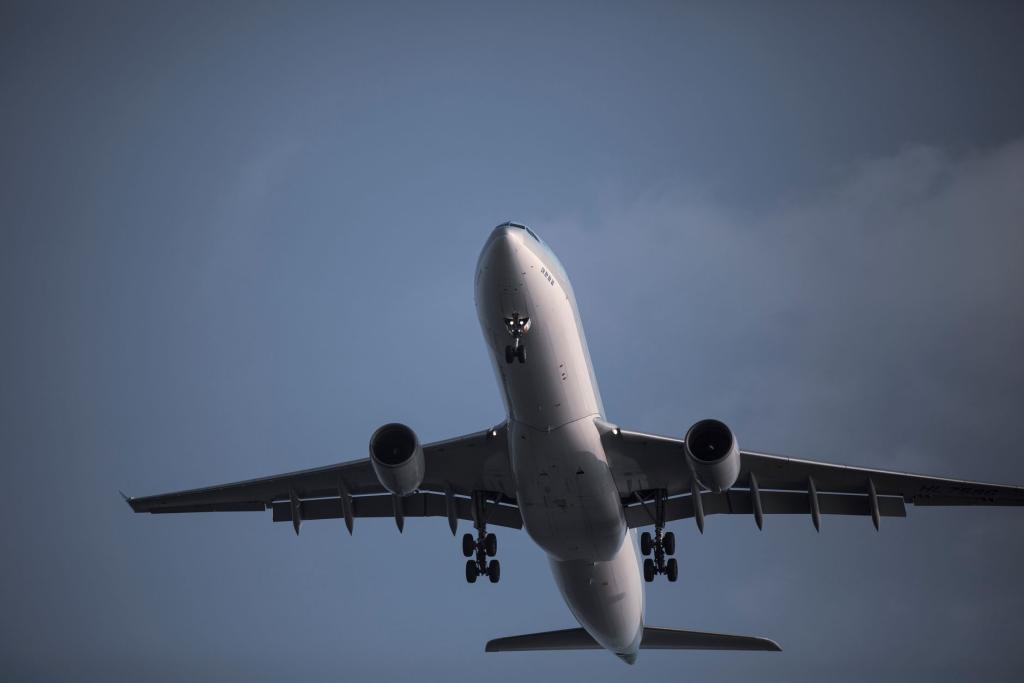
British Prime Minister Andy Burnham has agreed RAF refuelling support for Saudi Arabia, committing an RAF Voyager tanker to defensive missions as Houthi attacks on the kingdom intensify. The decision, announced on Monday as Burnham travelled to the United Nations General Assembly in New York, is his first major foreign policy intervention since taking office.
Burnham told reporters he had accepted the request the previous night, acting on the advice of the defence secretary and the foreign secretary. "We have received a request from the Kingdom of Saudi Arabia for military support, and on the advice of the defence secretary and the foreign secretary, last night I agreed to that request for defensive air-to-air refuelling," he said.
What Britain agreed to
The RAF refuelling support mission is expected to stay narrow in scope: one aircraft, defensive tasks, and a limited period under review. Britain will deploy a single Voyager tanker aircraft in the coming days, according to Reuters, with the mission kept under regular review. Burnham described the arrangement as a time-limited agreement and said Britain was "playing our part" in the Middle East by supporting efforts to keep the Strait of Hormuz open.
British media reported that the Voyager will operate from RAF Akrotiri in Cyprus, where Britain already stations aircraft. The Independent reported that the deployment involves one tanker providing refuelling for Saudi fighter jets on defensive missions. A defence minister told The Times that supporting Saudi Arabia was in Britain's national interest and suggested Burnham could go further if the situation deteriorated.
Why Riyadh asked for help
Riyadh requested the support after the Houthis, who control the most populous parts of Yemen, intensified their attacks on Saudi Arabia, according to Reuters. The attacks opened a new front in a wider war that began with US and Israeli strikes on Iran in late February.
Britain and Saudi Arabia have been close military allies for decades, with Britain serving as one of the kingdom's largest arms suppliers. Earlier this year, Britain deployed its Sky Sabre air defence system to Saudi Arabia to help protect the kingdom from Iranian missile attacks during the US-Israeli conflict with Iran, Reuters reported.
The Houthis have also struck at shipping in the region. The Sun reported that Houthi strikes on ships near the Bab al-Mandab strait have disrupted trade and contributed to rising oil prices, while The Times reported that the group seized control of the Red Sea coast near the strait, a key chokepoint for global shipping.
The cost-of-living argument
Burnham tied the decision directly to household economics at home. He argued that disruption to Saudi oil infrastructure could feed through into higher energy prices and therefore the British cost of living, according to The Telegraph, which called the move his first military support decision as prime minister.
The Times reported that Saudi Arabia has been forced to cut some oil shipments to key European refineries after drone attacks damaged its key export pipeline, triggering fresh fears of an oil supply shock in Europe. The paper said diesel was expected to hit an all-time high this week and could surpass £2 a litre.
Burnham made the same point en route to New York, telling reporters that Saudi Arabia was "looking at potential further disruption" and that it was in Britain's interest to keep trade pathways open. He said Saudi Arabia was already under attack and facing the prospect of further disruption, and that Britain needed to keep trade pathways open, which was why he had agreed to the request.
A wider war spreading
The refuelling deal lands in the middle of a fast-moving diplomatic week. Burnham is in New York for the UN General Assembly, where he is expected to meet Donald Trump and said he wanted to discuss the wider Middle East conflict with the US president, according to The Telegraph.
The wider war that started with American and Israeli strikes on Iran in February has since drawn in more actors, with Saudi Arabia now seeking outside help to defend its airspace and oil infrastructure. The Gulf's economic stakes were already in focus this week after Qatar's $20 billion partnership with JPMorgan underscored how deeply the region's capital is tied to Western finance. Britain's Sky Sabre deployment earlier this year showed London was already deepening its military footprint in the kingdom before this latest request.
The Times reported that British military advisers had been deployed to the kingdom and that refuelling support could begin within days.
Comments 0
No comments yet. Be the first to share your thoughts!
Leave a comment
Share your thoughts. Your email will not be published.