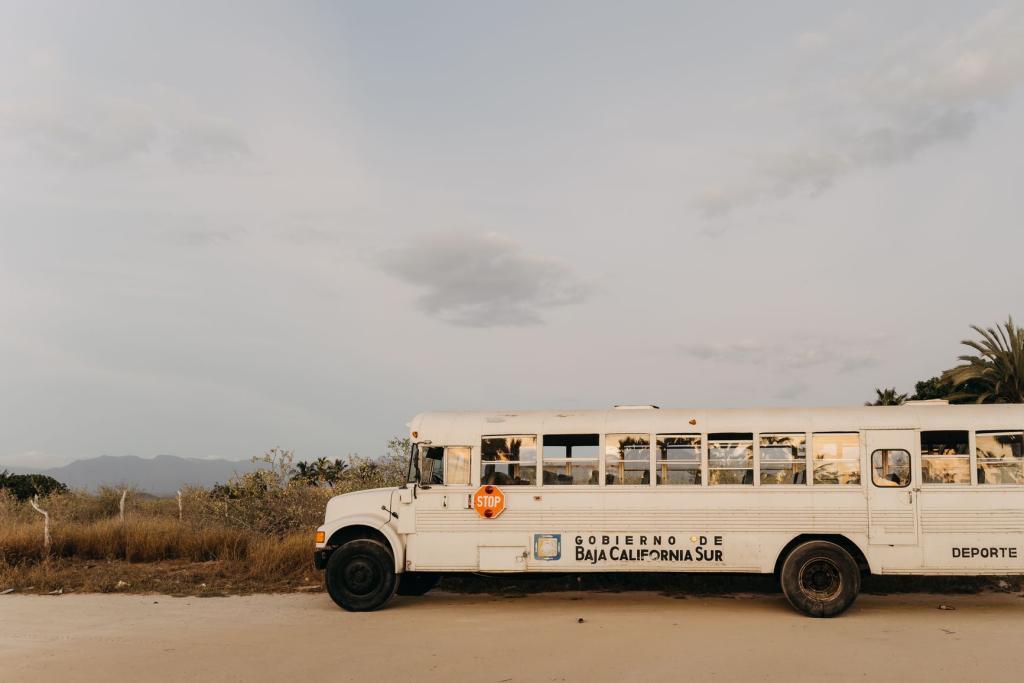
Twin disasters struck on opposite sides of the globe on September 29, 2026 — the Hurricane Polo Baja California landfall and deadly floods in Nepal — and together they tell the story of the climate emergency in a single day. While Hurricane Polo bore down on Mexico's Pacific coast, torrential rains in Nepal unleashed floods and landslides that killed at least 21 people between September 24 and 27. The disasters are a stark reminder that extreme weather is no longer a future threat for Gen Z — it is striking communities from the Pacific coast to the Himalayas right now. In Nepal, a mountainside collapsed into the Kali Gandaki River in about six seconds, destroying homes and bridges, while Mexican authorities rushed hundreds of residents into emergency shelters. These are not distant headlines: extreme weather is shaping this generation's future, and understanding it — and acting on it — starts now.
What We Know About Hurricane Polo's Landfall
According to the U.S. National Hurricane Center (NHC), the Hurricane Polo Baja California landfall happened early Tuesday, September 29, just south of Las Barrancas on the west coast of Baja California Sur, with maximum sustained winds of 110 mph (175 kph). The storm struck about 80 miles north of Cabo San Lazaro and 70 miles south of Mulege, moving northeast at 13 mph. By 5 a.m. local time, Polo had weakened to a Category 1 as it moved over the peninsula, but it continued producing dangerous winds and flooding rains. Forecasters warned that Polo would dump 6 to 12 inches of rain across parts of Baja California Sur, with up to 8 inches in the mainland state of Sonora, where a second landfall was expected near Guaymas later Tuesday. The NHC's official advisory warned the rainfall could produce life-threatening flooding and mudslides, especially in areas of steep terrain.
In Puerto San Carlos, a fishing port of nearly 6,000 people, the sea breached coastal defenses before landfall, flooding streets, toppling palm trees, and knocking out power. Nearly 700 people sought refuge in emergency shelters across Baja California Sur, and Mexico's government suspended nonessential activities, including schools, in parts of Sonora. The Associated Press reported that Polo was expected to still be at hurricane strength for its second landfall on the Mexican mainland after crossing the Gulf of California — an unusual and dangerous double-landfall track. Meanwhile, Tropical Storm Rachel was moving parallel to Mexico's coast, and Hurricane Nolo was a Category 3 edging away from Hawaii, making this an exceptionally busy stretch of the Pacific storm season. Reporting for this section draws on coverage from the Associated Press, Reuters, and The Watchers.
How to Stay Safe During Hurricanes and Floods
If you live in or near the path of a storm like Hurricane Polo, officials stress a few life-saving basics. First, do not walk or drive through floodwater — just six inches of moving water can knock a person down, and 12 inches can sweep away a car. Second, if authorities order an evacuation or open shelters, go early; as one shopkeeper in a temporary shelter in Mexico told reporters, "If something happens, it's better to come to the shelter." Third, stay away from windows during high winds and charge devices before power goes out.
Keep an emergency kit with water, food, medications, flashlights, and important documents. After the storm, avoid downed power lines and do not return home until officials say it is safe. For floods and landslides in mountainous areas like Nepal, stay alert for warning signs such as unusual sounds from hillsides, cracks in the ground, or rapidly rising river levels, and move to higher ground immediately. You can also sign up for local emergency alerts and follow guidance from civil protection agencies in your area.
Why Extreme Weather Keeps Getting Worse
Scientists are clear about the pattern behind storms like Hurricane Polo. Warmer ocean water acts like fuel for hurricanes, and the 2026 season was turbocharged by the El Nino weather phenomenon, which produced unprecedented warming in the equatorial Pacific. A warmer atmosphere also holds more moisture, which is why hurricanes now dump heavier rainfall and why floods are becoming more destructive worldwide. This super El Nino has been reshaping weather across the globe, baking some regions while drowning others.
The Nepal disaster shows the other side of the same coin: a low-pressure system from the Bay of Bengal unleashed extreme late-monsoon rain — one station recorded more than 21 inches over four days — saturating slopes until entire mountainsides gave way. The Hurricane Polo Baja California disaster and Nepal's landslides share a common driver: a warmer, wetter atmosphere supercharged by El Nino. Climate change does not cause every individual storm, but according to climate scientists, it loads the dice, making intense events more frequent and more severe. That is why meteorologists and disaster officials now describe these as compound disasters: a hurricane, a landslide, an avalanche, all intensified by a warming planet, sometimes striking within days of each other. Governments are already scrambling to adapt — California declared a statewide emergency ahead of projected epic El Nino storms this winter.
Nepal's Deadly Floods and Landslides: 21 Killed
While Hurricane Polo's landfall in Baja California dominated headlines in North America, Nepal endured its own catastrophe. According to Nepal's National Disaster Risk Reduction and Management Authority, four days of torrential rain from September 24 to 27 triggered hundreds of floods and landslides across the country, killing at least 21 people, leaving five missing, and injuring five more. Landslides caused the majority of the deaths, claiming 14 lives, while floods and continuous heavy rainfall accounted for the rest. The disaster affected 247 families, destroyed 260 homes, and forced the evacuation of around 3,000 people from high-risk areas.
Near Lete in Mustang District, video captured a massive section of slope breaking away and collapsing into the Kali Gandaki River in about six seconds, while the swollen river swept away 66 houses and several bridges. Tragically, the country was already reeling: a separate avalanche at the base of Mount Himlung killed four people and left 12 missing, and the latest disaster came barely a month after catastrophic flooding killed more than 1,400 people in Nepal. More details on the Nepal crisis are covered in this report on the floods and landslides.
What Gen Z Can Do About the Climate Emergency
It is easy to feel powerless watching hurricanes flood coastlines and mountainsides collapse on the other side of the world. But Gen Z has shown itself to be the generation that refuses to look away. Start with knowledge: follow trusted sources like national weather services and disaster agencies rather than viral clips, and share verified safety information during emergencies. Support relief efforts: donations to reputable disaster relief organizations can help families in Baja California Sur and Nepal rebuild after losing homes and loved ones. Extreme heat is the deadliest form of weather — a September heat dome put 41 million Americans under alerts — so learning how heat, storms, and floods connect makes every conversation sharper.
Then go bigger. Vote for climate action in every election you are eligible for, pressure leaders to cut emissions and fund disaster resilience, and push for adaptation measures like early warning systems and flood defenses in vulnerable communities. Talk about it: climate conversations with friends and family normalize urgency, and youth-led movements have repeatedly forced climate onto the political agenda. Finally, think about careers and consumption — from green tech to climate journalism — that move the needle. Hurricane Polo and the Nepal floods are proof that the climate emergency is a now problem. The question for this generation is not whether it will face the crisis, but how hard it fights back.
The storms of September 29, 2026 will eventually pass, but the conditions that created them are only intensifying. What happened when Hurricane Polo struck Baja California and in Nepal this week could happen in any coastal or mountain community — including yours. Stay informed, stay prepared, and stay loud about the climate crisis, because the time to act is not someday. It is today.
Comments 0
No comments yet. Be the first to share your thoughts!
Leave a comment
Share your thoughts. Your email will not be published.