October is officially heating season, and this year's bills arrive with a sting: residential electricity prices are up about seven percent over the past year, to roughly eighteen cents per kilowatt-hour, the U.S. Energy Information Administration reported, as cited in a July 2026 fall maintenance guide from GoodLeap. That is exactly why a few heating bill hacks belong on every October to-do list — small, mostly free moves that cut waste without turning your apartment into an icebox.
The playbook below works whether you rent a studio or own a drafty detached home. It stacks quick wins first, then moves to the one-time upgrades that pay off for years, and finally to the rebate money still sitting on the table this fall. Do all three and you will walk into January with a noticeably lighter bill.
Hack 1: Set the thermostat back and let it do the work
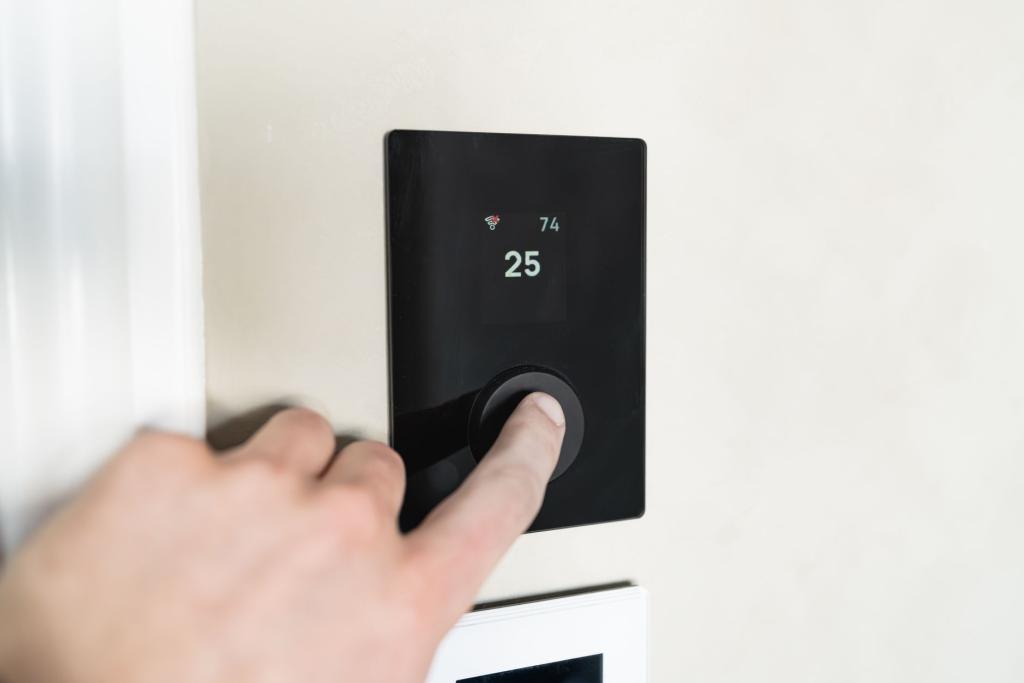
The single highest-impact change costs nothing. The U.S. Department of Energy says dialing the thermostat back by seven to ten degrees for eight hours a day — while you sleep or while the house is empty — can shave as much as 10 percent off your annual heating costs, according to the department's winter savings guide. The physics are simple: the lower the indoor temperature, the slower heat escapes, so every hour at the lower setting means less energy wasted.
Put that setback on autopilot with a schedule. A common pattern is 68 degrees while you are home and awake, a drop into the low sixties overnight, and the same lower setting during work hours, warming back up about half an hour before you return. Renters can do this with any programmable thermostat; homeowners thinking about a smart one should note that ENERGY STAR-certified models save an average of about eight percent on heating and cooling bills when actually configured, according to the Environmental Protection Agency, as reported by green-building site Green Inch.
Smart timing helps with the purchase, too. Our guide to October's Prime Big Deal Days, landing October 6–7, 2026, explains how to track prices and stack coupons — smart thermostats are exactly the kind of small electronics that show up in those deal windows. For more budget-stretching ideas, browse the Life Hacks topic page.
Hack 2: Hunt down the drafts before the first cold snap
Heating your home is only half the battle; keeping the heat inside is the other half. Most homes leak air through gaps around doors, windows, attic hatches, and electrical outlets on exterior walls — the equivalent of leaving a window permanently cracked open, according to Ontario HVAC site Barrie Heating & Cooling, which calls a weekend of caulking and weatherstripping "the highest return-on-effort project in home efficiency."
Start with the free moves: close the fireplace damper when it is not in use, open south-facing curtains on sunny days and close every curtain at night, and reverse ceiling fans to run clockwise at low speed so they push warm air back down into the room. The Department of Energy's guide even suggests leaving the oven door open after cooking and the hot water in the tub after a bath to recycle heat into the living space — free warmth you already paid for.
Then spend a little. Fresh furnace filters, door sweeps, and foam gasket seals behind outlet covers on exterior walls each cost less than a takeout dinner, and clean filters alone can save the average household about one hundred thirty-five dollars a year on energy costs, California utility PG&E estimates, as reported in a fall home-prep checklist. For renters, a plastic window-insulation kit on the draftiest single pane is the best few dollars you will spend all winter.
Hack 3: Claim rebate money before the November deadline
If you own your home, October is decision month. Ontario's Home Renovation Savings Program — the province's main rebate program for heat pumps, insulation, smart thermostats, and air sealing — is currently funded through the end of November 2026, after being extended from its original fall 2025 cutoff, according to the program's extension announcement. That leaves roughly eight weeks to get projects booked and paperwork moving.
The amounts are substantial. The single-upgrade path offers rebates of up to seventy-five hundred dollars for cold-climate air-source heat pumps and up to twelve thousand for ground-source systems, plus up to one thousand for standalone attic insulation with no energy audit required, per Climate Works' breakdown of the program's two paths. The deeper bundled path — insulation plus windows, air sealing, or doors, with a registered energy advisor audit before work starts — unlocks up to seventy-seven hundred dollars in insulation rebates, with the assessment itself partially rebated afterward.
One caveat before you sign anything: rebate programs can close early when funding runs out, and terms state the program may end at any time, as independent rebate guide ClaimRebate warns, so confirm the current deadline and your eligibility with the program administrator before committing to work. Contractor sites still advertise expired programs like the federal Greener Homes Grant, which is closed to new applicants — the Home Renovation Savings Program is the live one for Ontario in 2026.
The October weekend checklist
Here is the whole plan as a single Saturday afternoon: program the thermostat setback, reverse the ceiling fans, caulk the worst window gaps, and sweep the exterior doors. Sunday, swap the furnace filter, add outlet gaskets, and close the fireplace damper. Then, if you own the place, get quotes for insulation or a heat pump while the rebates are still funded. Each step is small on its own, but the combined effect — lower settings, tighter envelope, and subsidized upgrades — is why these heating bill hacks beat any single gadget purchase.
Winter bills will not wait, but neither should you: the cheapest heating bill is the one you never generate, and October is the month to make sure of it.
Comments 0
No comments yet. Be the first to share your thoughts!
Leave a comment
Share your thoughts. Your email will not be published.