The Gwalior temple truck crash that killed at least fifteen devotees in central India early on Sunday has left a community in shock and raised hard questions about how a loaded truck ended up on a road closed to heavy vehicles. Officials say dozens more were hurt.
The accident happened around one thirty in the morning on Chhinor road, which leads to the Sheetla Mata temple in Gwalior, Madhya Pradesh. Crowds were walking toward the shrine during a busy festival period when a paddy-laden truck came barreling down a steep slope.
What police say happened
According to India Today, senior police official Dharmveer Singh described the event as tragic. He explained that the road from the Chhinor side has a steep slope where heavy traffic is restricted, and that the truck had been stopped there before it broke through police barricades and lost control.
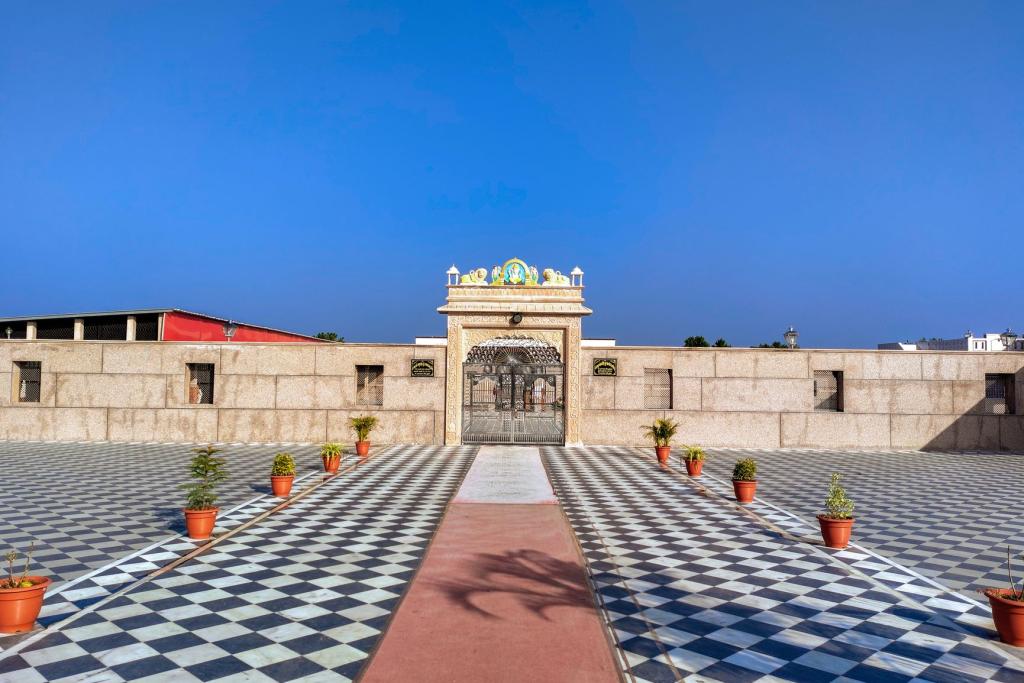
The vehicle then crashed into the outer wall and gate of the temple. Reports say the impact brought down part of the wall and trapped people under debris, while roadside shops were also hit.
The toll keeps climbing
Early reports spoke of twelve and thirteen deaths. Later, India Today reported fifteen people killed and thirty-three injured, with several in critical condition. Two police personnel on duty at the scene were also hurt.
According to Gulf News, thirty-nine people were taken to hospital in the first count, and five to six patients had serious injuries such as fractures. Numbers differ between outlets because the situation was moving fast, so treat the final figure as still developing.
Was a map app to blame?
One of the strangest threads is a suspicion that navigation software sent the driver the wrong way. India Today reported that a Google Maps shortcut is suspected, describing the truck as overloaded. Police have not publicly confirmed that theory, and it should be treated as unproven until investigators say more.
Officials also sent a Regional Transport Office team to inspect the truck mechanically. Their job is to find out whether a brake or other vehicle fault played a part, and how the truck got past a restriction meant to keep exactly this from happening.
Why this one hits hard
Most of the victims were ordinary pilgrims on foot, walking to a temple at night. There was no real warning, and a steep road with a stopped truck is the kind of setup where seconds decide everything. For many young people across India, a temple visit with family is a normal part of the festival season, which makes the tragedy feel painfully close.
It also fits a bigger pattern: road safety in India is a constant fight, with heavy vehicles, narrow routes and crowds colliding too often. Calls for stricter enforcement of vehicle restrictions near religious sites are likely to grow. You can find more global stories on our world desk.
The Gwalior temple truck crash also shows how fast a festival crowd can turn into an emergency scene. Local residents and volunteers rushed to lift debris and carry the wounded, and ambulances ferried patients to hospitals through the early hours while police cordoned off the area.
Neighbours described a scene of panic, with families searching for relatives among the injured. Hospital staff worked through the night, and officials said the most serious cases were being closely monitored by doctors as the day went on.
Accountability questions are now central. Who allowed a heavy truck to sit on a restricted slope, why the barricades failed, and whether enough officers were posted near a site that draws large crowds are all things residents want answered, and investigators will likely be pressed on each one.
What to watch next
Watch for the official death toll, the findings of the vehicle inspection, and whether the driver faces charges. Also watch for any statement on the navigation claim, because if a map app did route a heavy truck onto a restricted road, that raises questions about how these tools handle local traffic rules.
For now, families are mourning and hospitals are treating the injured. The story is a reminder that a single failure on one slope can change a whole neighbourhood overnight, and that the follow-up investigation matters as much as the first headlines.
Comments 0
No comments yet. Be the first to share your thoughts!
Leave a comment
Share your thoughts. Your email will not be published.