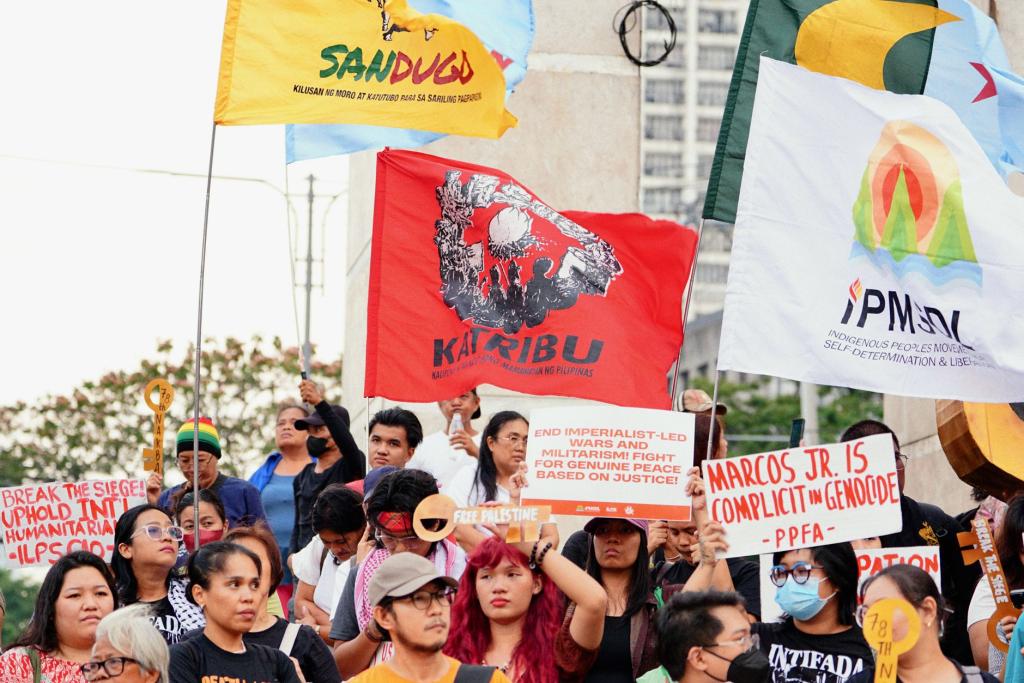
A controversial Khalistan Referendum went ahead on the grounds of Alberta's legislature on Sunday, as thousands of Sikh voters took part in a non-binding ballot organized by the banned advocacy group Sikhs for Justice. The event, held steps from the provincial seat of government in Edmonton, has no legal force — but it drew a sharp rebuke from India and landed at a delicate moment for Canada-India relations.
The referendum-style vote ran from nine in the morning until five in the afternoon local time. Participants lined up outside the legislature building to cast symbolic ballots on whether the Indian state of Punjab should become an independent Sikh state. According to the organizers, the turnout numbered in the thousands, though the outlet itself cautioned that those figures still require independent verification. Observers were said to be present at the polling site, but their affiliations and the procedures used have not been confirmed. It was not an official election: neither Canadian nor Indian electoral authorities played any role in the proceedings.
A vote with no legal force, timed for maximum symbolism
Sikhs for Justice, which India has designated a banned organisation, has staged similar referendum-style events in other countries as part of a long-running campaign. Its founder, Gurpatwant Singh Pannun, has used the votes to press claims of self-determination for the Sikh diaspora. The Edmonton event was deliberately scheduled one day before Alberta's own non-binding ballot on whether the province should begin a constitutional process toward a later vote on separation from Canada, as reported by Particle News. The two votes are legally unrelated, but the overlap in language and location was hard to miss — and it forced police to manage overlapping crowds and security concerns in the provincial capital. Sunday's Khalistan Referendum will not redraw any borders, but its staging turned the legislature grounds into a stage for two independence debates at once.
The timing also caught the attention of law enforcement. Reporting on the buildup to the event noted that the Royal Canadian Mounted Police had issued duty-to-warn notices to some Khalistan activists, signalling credible threats to individuals' lives. The backdrop includes the still-unresolved fallout from the 2023 killing of activist Hardeep Singh Nijjar in British Columbia, a case that badly strained Ottawa's relationship with New Delhi and raised questions about foreign interference and organised crime.
Why Delhi is watching Edmonton closely
India's government made its position clear before a single ballot was cast. At a media briefing in New Delhi on October 9, Ministry of External Affairs spokesperson Randhir Jaiswal said India strongly condemns anti-India activities, in remarks aimed at the planned Edmonton vote, according to The Indian Witness. Pannun himself has reportedly invited leaders of Quebec's Parti Québécois to attend, drawing a line between the Sikh campaign and other independence movements in Canada.
The diplomatic sensitivity is heightened by trade. Canada sent its largest business delegation to India in more than three decades earlier this month, with nearly three hundred delegates visiting Mumbai and Bengaluru to advance talks on a comprehensive economic partnership. Prime Minister Mark Carney and his Indian counterpart have agreed to deepen cooperation on trade, energy, technology and security — an agenda that sits uneasily alongside symbolic votes for secession on the legislature's front lawn. For Ottawa, the episode is a reminder that diaspora politics can intrude on bilateral business, just as it has before.
Supporters frame the vote differently. They describe it as a peaceful exercise of expression under Canadian law, where non-violent political gatherings are protected. That view treats the Khalistan Referendum as a message to the international community about minority rights rather than a step toward any recognised state. The gap between those two readings — a protected protest to some, a threat to territorial integrity to others — is the real story of Sunday's event, and it will not be resolved by any ballot count. Canada has navigated similar tensions before, and the broader debate over protest movements and state responses continues to surface in other democracies, from Spain's snap election driven by housing protests to questions of law and order at home covered in recent Canadian news, while the geopolitical backdrop echoes trade fights like the export-control battles reshaping the green economy.
Comments 0
No comments yet. Be the first to share your thoughts!
Leave a comment
Share your thoughts. Your email will not be published.