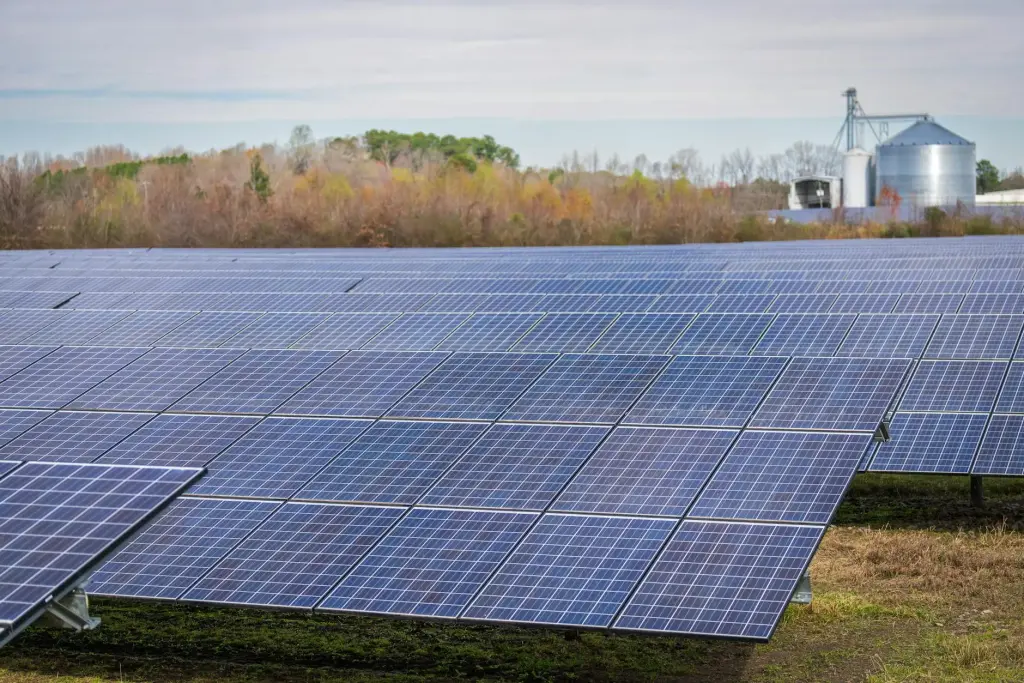
The global solar capacity is on track to reach nearly 6 terawatts (TW) by 2031, representing a massive leap in renewable energy adoption, according to new analysis from GlobalData. This represents a compound annual growth rate of approximately 13% from the 2025 baseline of 4.1 TW, marking one of the most significant energy transitions in human history.
GlobalData's latest report reveals that total global renewable capacity will more than double to 8.4 TW by the end of the decade, with solar photovoltaic (PV) technology serving as the primary driver of this expansion. The surge in global solar capacity is being fueled by dramatically falling costs, supportive government policies worldwide, and growing awareness of the climate crisis among younger generations.
Solar Dominates Renewable Energy Growth
According to the data published by PV Magazine Australia, solar accounted for about 56.1% of global renewable capacity in 2025, with more than 2.5 terawatts already installed worldwide. This dominance represents a fundamental shift in how humanity generates electricity, as noted by analysts across the energy sector. The global solar capacity figures demonstrate that photovoltaic technology has become the cornerstone of the world's transition away from fossil fuels.
PV generation reached approximately 2,800 terawatt-hours (TWh) in 2025, officially surpassing wind generation of 2,770 TWh for the first time in history. This milestone underscores how solar has evolved from a niche alternative to the leading source of renewable electricity globally. The International Energy Agency has recognized this trend as a pivotal moment in the global energy transition.
China Leads the Solar Revolution
China has emerged as the undisputed leader in the global solar capacity race, generating approximately 1,150 TWh of solar electricity in 2025, which represents around 41% of global PV output. The country's aggressive investment in manufacturing capacity and utility-scale installations has fundamentally altered the economics of solar energy worldwide. As reported by industry publications, China's continued expansion will be crucial to achieving global climate targets.
Analysts say the dramatic growth in global solar capacity is being driven by several converging factors. The cost of solar panels has declined by more than 90% over the past decade, making them competitive with or cheaper than fossil fuels in most markets. Government incentive programs, including tax credits, feed-in tariffs, and renewable energy mandates, have created stable demand signals for developers. Additionally, growing public concern about climate change, particularly among Gen Z consumers, has created political pressure for accelerated clean energy adoption.
The data shows that supportive energy transition policies in major economies including the United States, European Union member states, and India are creating favorable conditions for continued investment. These policy frameworks provide long-term visibility for project developers and investors, reducing the perceived risk associated with large-scale renewable energy deployments. As climate legislation continues to advance globally, the global solar capacity outlook remains overwhelmingly positive.
Climate Progress Remains Mixed
While solar energy expands rapidly, the broader picture on climate progress remains complex. Germany recently missed its climate targets as emissions barely fell in 2025, according to reporting by The Guardian. This highlights the ongoing challenge of transitioning away from fossil fuels in established economies with legacy infrastructure. The German experience demonstrates that simply adding renewable capacity is not sufficient without complementary efforts to retire coal and natural gas plants.
Environmental advocates argue that the acceleration of global solar capacity must be matched by equivalent progress in energy storage, grid modernization, and electrification of transportation and heating sectors. The intermittency of solar generation requires complementary technologies to ensure reliable electricity supply during cloudy periods and nighttime hours. Battery storage costs have declined significantly, but deployment has not kept pace with solar installation rates.
For Gen Z audiences watching these developments, the global solar capacity trajectory offers both hope and urgency. The technology exists to decarbonize the power sector, but the pace of deployment must accelerate to meet international climate agreements. The renewable energy sector represents one of the fastest-growing employment categories globally, offering career opportunities for young people passionate about addressing the climate crisis.
Industry analysts say the global solar capacity milestone of 6 TW by 2031 is achievable if current policy frameworks remain intact and manufacturing capacity continues to expand. Supply chain constraints that previously caused price volatility have largely been resolved, with panel production capacity now exceeding demand. This normalization of costs has made solar the default choice for new electricity generation in most regions of the world.
As the world moves toward 2031, the global solar capacity expansion will increasingly depend on grid integration challenges, permitting reforms, and workforce development. Countries that streamline their approval processes and invest in transmission infrastructure will be best positioned to capture the economic and environmental benefits of solar energy. The transition to a solar-dominated electricity system represents the most significant infrastructure transformation since the buildout of petroleum infrastructure in the mid-twentieth century.
For more coverage of climate and energy developments affecting young people, explore Climate News and Renewable Energy updates from GenZ NewZ.
Comments 0
No comments yet. Be the first to share your thoughts!
Leave a comment
Share your thoughts. Your email will not be published.