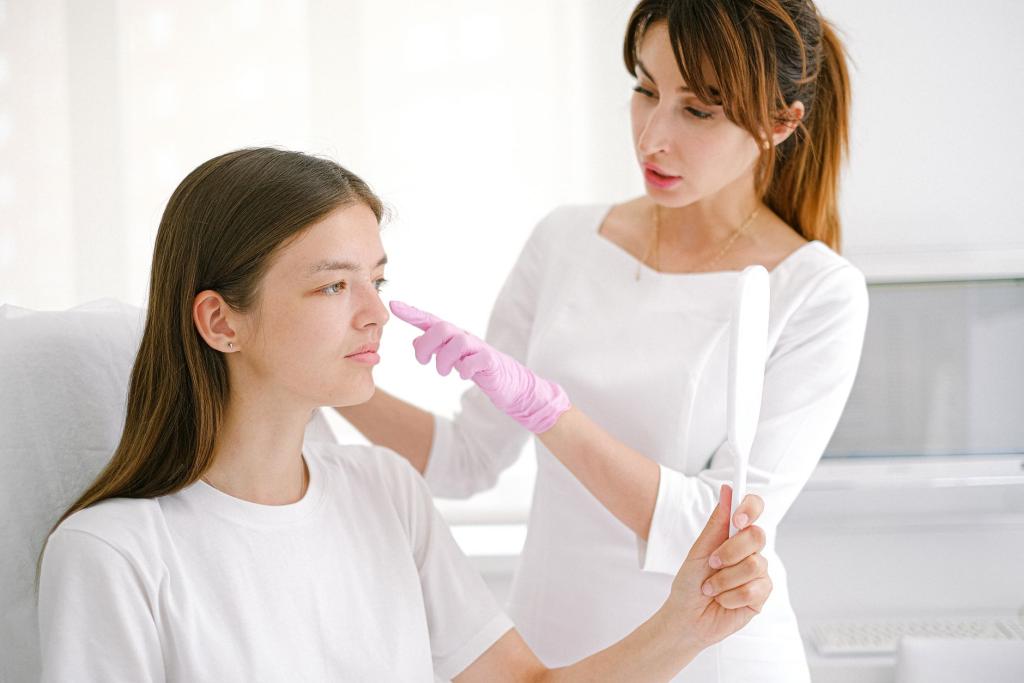
A new national survey has moved the starting line for cosmetic treatments, and Gen Z drew it earlier than anyone. Nearly two-thirds of respondents between eighteen and twenty-eight told researchers that aesthetic maintenance should begin before age thirty, roughly four times the share of Gen X and baby boomers who said the same. Fifteen percent of Gen Z had a cosmetic or aesthetic treatment in the past year, almost double the national rate. The findings, released October 15 by board-certified plastic surgeon Sarah Mess, MD, suggest that for the youngest American adults, the preventative Botox conversation is no longer about responding to aging. It is a subscription that starts before there is anything to fix.
The numbers come from a survey of one thousand U.S. adults examining when people believe aesthetic maintenance such as Botox, fillers, and other anti-aging treatments should begin, and what they think is pushing the preventative Botox starting age down. Seventy-three percent of Gen Z said maintenance should begin before thirty-five, including sixty-four percent who said before thirty, according to the survey results distributed by EIN Presswire. By comparison, twenty-seven percent of millennials and seventeen percent each of Gen X and baby boomers said before thirty. Nationally, only thirteen percent said people should wait until the first visible signs of aging appear.
The new timeline: preventative Botox as routine upkeep
What makes the results striking is the framing behind them. Nearly three-quarters of all respondents described maintaining their appearance as a form of long-term self-care, and Gen Z was actually the least likely generation to agree, at sixty-one percent compared with seventy-five to seventy-eight percent of older groups. The youngest adults may simply treat injections the way they treat a gym membership or a skincare routine: scheduled upkeep rather than a philosophical project. Preventative Botox has spent the past few years migrating from celebrity confession to clinic menu, and microdosed neuromodulators have widened the doorway further by promising an undetectable, still-expressive result, according to reporting in Harper's Bazaar India earlier this month. The message underneath the trend is that preventative Botox is now marketed as maintenance, not correction.
Dermatologists are divided on the logic of starting so early. Dr. Shereene Idriss told CNN the trend is driven by social media anxiety rather than medical necessity, and she has advised patients without visible wrinkles to save their money. Dr. Emily Jeffy told ND Insider that Botox results typically last three or four months, so regular rounds become a long and expensive road when the starting point is the twenties. Dr. James Zins of the Cleveland Clinic has said there is no hard data showing that Botox prevents wrinkles. On the other side, dermatologists writing in JAMA Dermatology have argued that diminishing facial muscle action early can stop dynamic lines from forming at all. The clinical case for preventative Botox at twenty-five is unsettled, but the appointment books are full.
The credit card in the waiting room
Perhaps the most telling statistic has nothing to do with faces. Thirteen percent of Gen Z said they had used credit or financing to pay for beauty or aesthetic expenses, compared with nine percent of millennials, two percent of Gen X, and one percent of baby boomers. For the youngest adults, aesthetic maintenance sits closer to other recurring beauty costs than to an occasional splurge, the survey authors wrote. Gen Z also reported the lowest cost concern of any generation, at seventy-four percent, and only six percent said they would never be comfortable considering a treatment, compared with thirty-one percent of boomers. That combination of low hesitation and borrowed money mirrors a generation already comfortable stretching its spending power in every other direction, as explored in this site's look at the Gen Z wealth paradox.
The comfort with credit matters because the preventative Botox math compounds. A treatment that wears off in months and gets repeated several times a year is a fixed cost, and starting a decade early means a decade of extra payments. Gen Z's financing rate for aesthetics is more than six times the rate of Gen X, yet older generations voice far more worry about cost. The youngest adults are not ignoring the price tag. They are filing it under essentials and reaching for the card.
Blame the phone, the filter, and the feed
Asked to name the single biggest reason people are starting aesthetic maintenance younger, Americans pointed first at social media. Thirty-four percent named social media, twenty-one percent named general appearance pressure, eight percent named AI-generated images, and five percent named beauty filters, with screen-driven causes accounting for nearly half of all answers combined. Sixty percent of Gen Z blamed screen-driven causes for the preventative Botox boom, the highest of any generation, and thirty-nine percent named social media alone. The self-awareness is sharp: eighty-four percent of Americans say beauty filters make it harder to know what a realistic appearance looks like, and eighty-one percent say the same of AI-enhanced images.
The twist is that Gen Z, the generation most eager to book, is the least skeptical of the images pushing them there. Seventy-six percent of Gen Z said filters make realistic appearance harder to judge, compared with ninety percent of boomers, and seventy percent said the same of AI images versus eighty-nine percent of boomers. Having grown up inside filtered feeds, the youngest adults may register distortion the way fish register water. Millennials carry a different tension: fifty-two percent worry about visible signs of aging at least once a week, the most of any generation, yet they are less likely than Gen X to say filters increase appearance pressure. Worry does not always point at the right cause.
Gen Z's own filter habits are documented elsewhere in the same survey. Forty-one percent use in-app beauty filters weekly and forty-five percent use built-in phone editing tools, leading every other generation. Men, in a result that surprised many readers, edit photos more than women in every category tested, including filters, built-in tools, and AI-powered editing. The standard image is increasingly a rendered one, and the standard face is increasingly expected to match, which helps explain why the preventative Botox conversation keeps trending younger.
What the mirror is really measuring
Strip away the syringe talk and the survey describes a generation renegotiating what counts as self-care and what counts as vanity. Preventative Botox appeals to Gen Z for the same reason every prevention pitch does: it promises control over an uncertain future. The logic of starting before thirty rests on the belief that early preventative Botox beats late repair, a belief the generation applies to fitness routines, credit scores, and careers with equal seriousness. The dermatologists urging patience have the longer clinical record, but the clinics booking appointments have the shorter wait.
There is also a quiet class dimension the financing numbers expose. When thirteen percent of young adults put cosmetic treatments on credit, the procedure stops being a luxury good and starts being a budgeted one, which normalizes it for everyone in the group chat watching. The banana botox trend showed how quickly cosmetic hacks spread through feeds; the survey shows the clinical version spreading through payment plans. Each makes the other feel more ordinary, and brands are already chasing that normalization, as seen in the race for Gen Z spending power.
The survey's authors framed the change as prevention replacing correction as the default mental model, and the data supports that reading: only thirteen percent of Americans now think people should wait for visible signs of aging, while nearly a third say maintenance should begin by age thirty and twenty-two percent say before twenty-six. The mirror has become a calendar. Whether the dermatologists or the marketers turn out to be right about the medicine, the generation has already decided about the schedule, and preventative Botox is winning the argument one appointment at a time.
Comments 0
No comments yet. Be the first to share your thoughts!
Leave a comment
Share your thoughts. Your email will not be published.