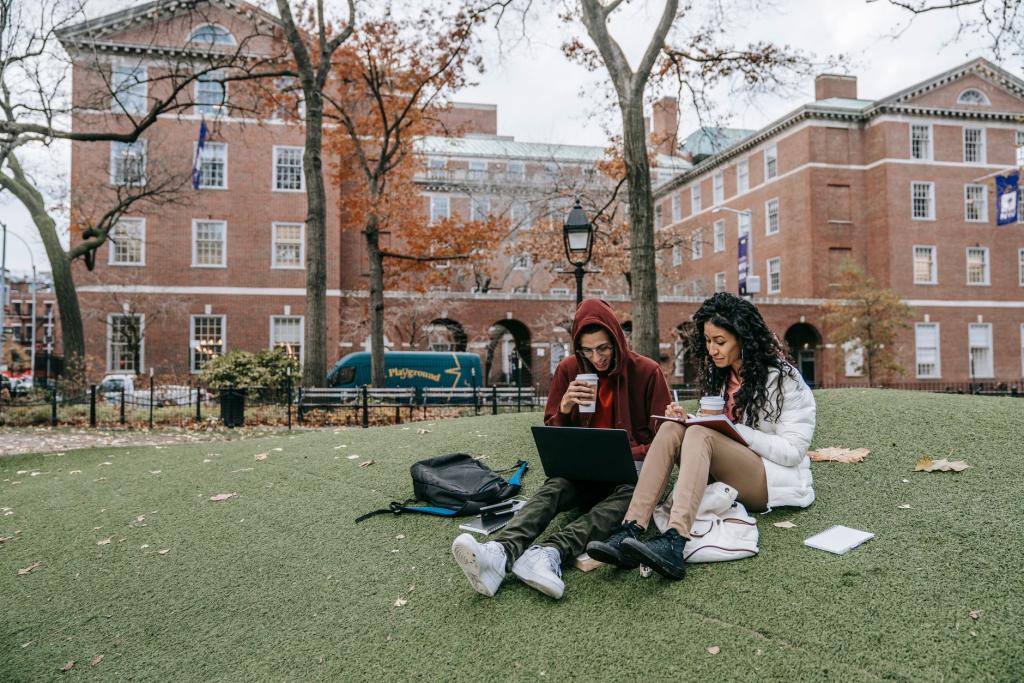
The latest story about freshmen quitting college started with a seventeen-year-old student who posted a TikTok saying she had left Southern University in Louisiana roughly two weeks into her first term and moved back to Las Vegas, trading campus life for the school's online program. The clip went viral, and Fox News's "Outnumbered" picked it up this month, with the co-hosts framing the trend as young students choosing the degree over the "college experience," as the NY Morning Star reported. On the segment, co-host Kayleigh McEnany said she used to cry at the airport before flying back to school and only stuck it out because her mother insisted she get on the plane, according to the same report. The freshmen quitting college this fall are easy to mock, and mockery is exactly what they got.
According to the NY Morning Star, Reddit threads filled in the messier details behind the headlines about freshmen quitting college. One parent said in a Reddit post that a teenager in the family walked away after about a week, leaving behind a scholarship that would have covered the whole first year. Another parent said a daughter with social anxiety barely got through her second week, dreading courses built around public speaking. The commenters kept circling the same point: for many of these students, the problem is not the academics but everything wrapped around them, the cost, the housing, the social pressure, the feeling of paying for a package deal nobody ordered.
The pandemic class learned from the couch first
It helps to remember how this cohort spent high school. Many of them finished their secondary schooling during the pandemic, taking classes from living rooms and kitchens with parents nearby. The "Outnumbered" discussion itself noted that this generation learned early that a lecture works just as well on a laptop. According to Research.com's 2026 college enrollment data, thirty-nine percent of college freshmen prefer taking their online classes at home, while more than six million students nationwide are enrolled in online education. The University of Nevada, Reno reported this month that online credit hours through Nevada Online jumped nearly twenty-eight percent compared with last fall, with school officials crediting students' demand for learning that fits their circumstances.
That is the context the scolding keeps skipping. This is not a generation discovering that it hates learning. According to a 2026 online-learning report from EntrepreneursHQ, seventy-three percent of college students take at least one online course, and flexibility is the top reason they choose it. If the coursework already happens on a screen for most students, the residential extras of dorms, meal plans, and campus fees start to look optional rather than essential. The freshmen quitting college did not invent remote learning. They watched universities build entire online divisions around it and then acted like customers.
The math stopped being persuasive
College costs did the persuading first. Students and parents are running the numbers and noticing that the same degree credits come cheaper from the childhood bedroom than from a dorm room across the country. Gen Z already treats big life choices as deals to negotiate rather than rituals to complete, from the way it approaches investing to the way it shops. The freshmen quitting college in October are applying that same logic to tuition, and the institutions can hardly claim surprise after years of expanding their own online offerings.
There is also a quieter calculation about mental health. The NY Morning Star's write-up of the trend cited a Psychology Today piece advising parents to set clear expectations around work, chores, and daily routines when a student comes home early, rather than treating the return as a failure. A homesick freshman with anxiety is not a scandal. The actual problem is that so many of them are expected to white-knuckle four years of dorm life because earlier generations did, even as the schools themselves sell online degrees as equally legitimate.
The shame is doing more damage than the dropout
The harshest responses to freshmen quitting college read like hazing with better lighting. Older viewers call them soft, or say they are strangers to struggle who need toughening up. But the enrollment numbers suggest the freshmen quitting college are adapting to a system that moved first. Universities expanded online programs because students kept enrolling, and campuses keep reporting surging online credit hours. The institutions are chasing the demand, not the other way around.
None of this means leaving is always the right call for freshmen quitting college. A scholarship left on the table is real money, and a student who leaves in October should have a plan beyond the parents' couch. But treating every early departure as a personal failure keeps families stuck between shame and silence, when what actually helps is a conversation about what the student wants the next year to look like. Gen Z keeps making pragmatic choices that look like retreat, and the panic usually says more about the observers than the students.
The freshmen quitting college this fall want the degree, not the dorm. That is a consumer decision as much as a life decision, and it is worth debating on the merits. But the debate has to start from where these students actually are, not from a campus memory that belonged to a different decade. This generation negotiates everything else, and tuition was never going to be the exception.
The universities know it too. They built the online campuses, expanded the remote programs, and marketed the flexibility. Now they get the students who took the pitch seriously. For sourcing, this piece draws on reporting by the NY Morning Star on the viral TikTok and the "Outnumbered" segment, Research.com's 2026 college enrollment statistics, and the University of Nevada, Reno's report on its online enrollment growth.
Comments 0
No comments yet. Be the first to share your thoughts!
Leave a comment
Share your thoughts. Your email will not be published.