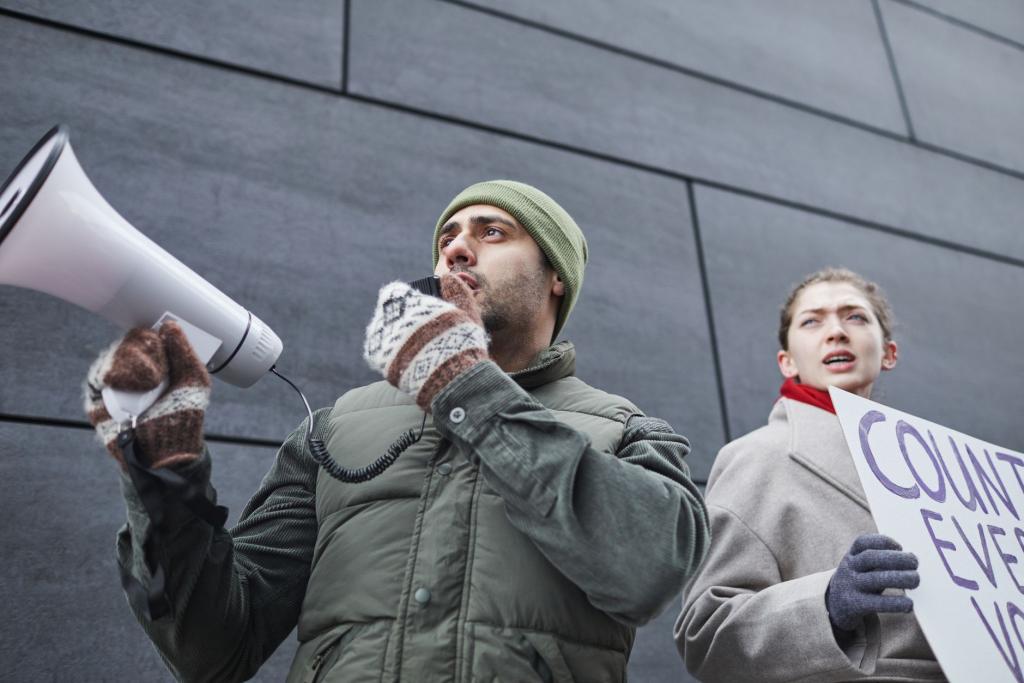
French high school students turned a local fight over missing teachers into a national revolt on September 29, 2026, blockading school entrances across the country in the biggest French student protests in years. Organized in part through AI-generated posters on TikTok and backed by a one-day public-sector strike, the movement is a youth-led answer to budget austerity, crumbling school buildings, and teacher shortages — and it has already ignited a political fight over police violence.
The numbers tell the story's scale. The Education Ministry says more than 330 high schools were affected on Tuesday, or a bit less than one in ten nationwide, according to Reuters. Teaching was fully halted at more than 40 lycées, per The Times. The Interior Ministry reported 164 arrests, with 10 students, 8 education staff, and 12 police officers injured, Le Monde reported.
How the French Student Protests Went National
The spark came on September 21 at Saint-Exupéry high school in Créteil, where students mobilized over unfilled teaching posts. By the weekend of September 25 and 26, around 60 schools in the Paris region were disrupted, the French press reported — and on Saturday the energy merged with a far bigger wave: 120,000 people marched in 260 cities for climate, peace, and social justice, per organizers 350.org, the largest climate turnout in France since the late-2010s peak.
On Monday, September 28, the French student protests intensified — the Interior Ministry counted 180 schools affected — and Prime Minister Sébastien Lecornu condemned the blockades as "irresponsible." Then the Union Syndicale Lycéenne, the national student union led by Ryad Rani, called for blockades "in all high schools" for Tuesday, the same day teachers, nurses, firefighters, and civil servants walked out in a national strike. The trigger is a €54 billion savings drive announced by the prime minister, in a country where teachers are paid below the European average, Reuters reported.
The Video That Turned a Protest Into a Scandal
The flashpoint arrived with a viral video showing a police officer firing a Cougar grenade launcher at close range at a student in Saint-Ouen-l'Aumône, Le Monde reported, prompting the IGPN police inspectorate to open an inquiry. Students driving the French student protests say the heavy police presence is itself the problem: Mael Breton, a final-year student at Paris's Hélène-Boucher lycée, told Reuters that students want fewer officers around their schools, calling the repression of student movements "a real problem" amid chronic underfunding. Sophie Vénétitay, head of the SNES-FSU teachers' union, told the paper the priority must be to "prevent any violence against students and staff" and open dialogue with students "who have things to say."
The movement's other signature is how it organized. AI-generated posters carrying school-specific demands circulated on Snapchat, Instagram, and TikTok, Le Monde reported — one account racked up more than 800,000 views in 48 hours. France's anti-foreign-interference agency Viginum said it found no artificial foreign boosting "at this stage."
Two Sides of the Barricades
The government response to the French student protests sees it very differently. Lecornu wrote on X that "fireworks, fires, violence near high schools" justify nothing: "Nothing justifies endangering students, staff, or police officers." Interior Minister Laurent Nuñez called the incidents "urban violence," adding that authorities had "not seen the usual forms of protest." Education Minister Edouard Geffray said student demands could be "entirely legitimate" — but also pointed to masked outsiders arriving "with pallets and mattresses" to push the protests toward violence.
The political left and right are already using the students as a proxy fight. According to Le Point, Valérie Pécresse of Les Républicains accused the radical left of turning young people into "electoral cannon fodder" — to which Jean-Luc Mélenchon replied on X that the students "are harmless" and accused the government of "ordered repression" with "a clear racist undertone."
The French Student Protests: What Happens Next
The 2027 budget draft lands on October 1, two days after the strike, and students and unions will measure it against the savings plan. President Emmanuel Macron's government, a deeply unpopular minority in a hung parliament, faces a presidential election about seven months away, Reuters noted. For readers watching youth power, this is the clearest sign yet that Gen Z in France has moved from online organizing to shutting down school gates — and the IGPN inquiry into the grenade-launcher incident could decide whether the story stays about schools or becomes about the state. Follow the Youth Activists desk for updates on the French student protests, and read how another student community pushed back this week.
Comments 0
No comments yet. Be the first to share your thoughts!
Leave a comment
Share your thoughts. Your email will not be published.