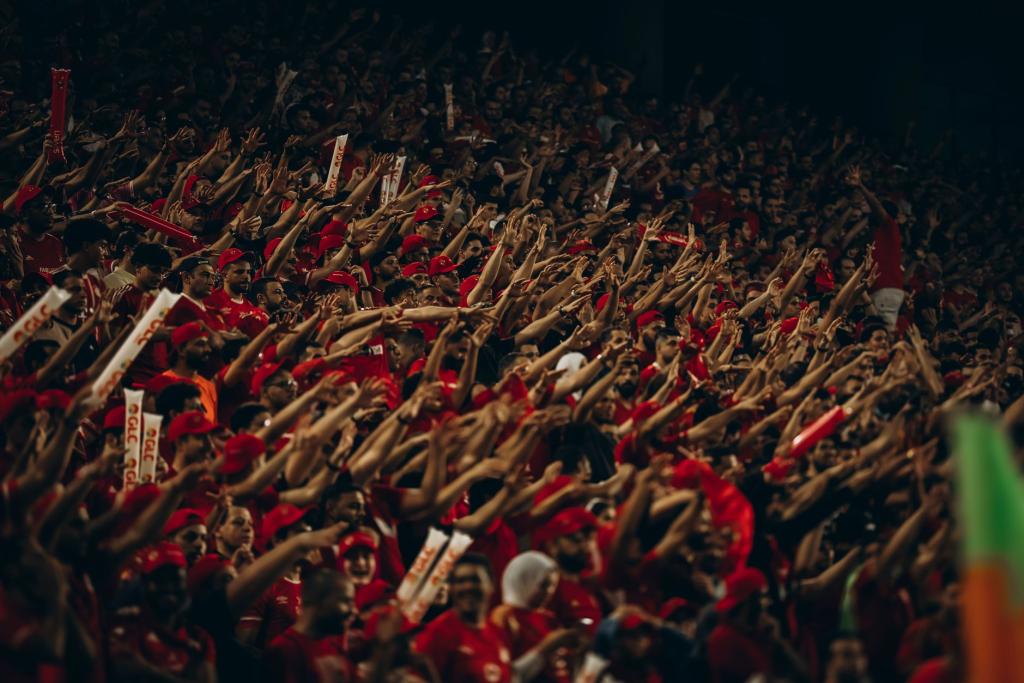
The biggest World Cup ever played left a trail of shut-out fans, detained journalists and unanswered questions about player safety, according to the FIFA Report, a new fifty-page study from the Sport & Rights Alliance and Football Supporters Europe titled "Profit Over People." says FIFA's leadership failed to enforce its own human rights pledges at the first forty-eight-team tournament, which was staged across Canada, Mexico and the United States.
The two organizations released the FIFA Report's findings on October 13, 2026, months after the one-hundred-and-four-match tournament ended. They argue that the pursuit of record revenue was put ahead of fairness and equality. "The 2026 World Cup exposed how the priorities and direction set by FIFA's leadership put profit over people," said Andrea Florence, the alliance's executive director, in a statement released with the report.
What the report found
The biggest barrier was money. Ticket prices were the highest in tournament history, and when costly visas, scarce affordable transport between host cities and United States travel rules covering more than three dozen countries were added, ordinary supporters were priced and pushed out. The report says the exclusions fell hardest on low-income fans, supporters with disabilities and people traveling from the Global South.
Immigration enforcement forms another pillar of the findings. Drawing on research by Human Rights Watch, the report notes that Immigration and Customs Enforcement carried out more than one hundred and sixty-seven thousand arrests in and around eleven host cities in the run-up to the tournament, with enforcement surging again while matches were being played. Roughly ten thousand people were detained over just five days in late June, the report says, citing the New York Times. The tournament was supposed to be the first played under FIFA's 2017 human rights policy, with human rights criteria built into the bidding process and a dedicated framework for the sixteen host committees, yet only a handful of those committees ever published a human rights plan.
Players and officials were affected too. Members of Iran's national team had American visas delayed or refused, and on two occasions the squad had to enter and leave the United States on the same day for matches. Somali referee Omar Artan was denied entry at Miami International Airport after an eleven-hour interrogation despite holding a valid visa. In Mexico, police confronted planned protests with tear gas and detained two journalists, while Canadian host cities cleared unhoused residents from the streets ahead of matches.
The report also raises questions FIFA has yet to answer about who was allowed on the pitch. At least eight players facing pending sexual assault cases or allegations competed in the tournament, despite a FIFA in-competition rule requiring athletes to declare they had never been investigated for a sexual or other violent offence. Independent journalism was squeezed by opaque media accreditation, visa barriers and a lack of regular briefings with top FIFA leadership. A little more than sixty-five thousand people had signed an Amnesty International call demanding that FIFA and the host nations guarantee a tournament for everyone.
Why it matters and what comes next
This was the first tournament that had to meet the standards FIFA set for itself, which is why the gap between the promise and the reality stings. FIFA had promised a tournament where everyone would "feel safe, included and free to exercise their rights," and billed the event as the most inclusive in history. The report's authors say the gap was not bad luck but a leadership choice: rather than spending political capital defending fans and local communities, FIFA spent it chasing revenue.
There is a counterpoint on the record. FIFA has acknowledged the concerns raised by the report and said its own tournament review will provide further evidence and context, while a spokesperson said the organization was proud of the tournament and would keep strengthening its human rights commitments. The organization's general secretary, Mattias Grafstrom, has publicly acknowledged the concerns as well.
The timing points at the future rather than the past. The report is aimed at FIFA's presidential election in 2027, urging every candidate to center human rights. Its demands include making human rights requirements binding in host agreements for future men's and women's tournaments, backed by independent monitoring and clear consequences; a transparent, survivor-centered eligibility framework for athletes and officials facing serious misconduct allegations; guaranteed access without discrimination for fans, athletes and journalists; equal ticket access for supporters with disabilities; and a permanent independent human rights advisory board plus a remedy fund for harmed individuals and communities.
The clock is already running. The 2027 Women's World Cup in Brazil kicks off in under a year, and the groups behind the report called in June for the Brazilian government, national football authorities and FIFA to put women and children's rights first there. Then comes 2030, mostly in Spain, Portugal and Morocco. Earlier this summer, the Council of Europe questioned the tournament's integrity in an open letter and urged FIFA to build a stronger framework for 2030, citing political pressure on decisions during the 2026 event.
For fans, the practical takeaway is that watching the next tournament will again depend on forces outside the stadium: visa rules, ticket pricing systems and how much leverage FIFA is willing to use with governments. Whether the election produces a leadership willing to use that leverage is the question the report leaves on the table.
Read the full findings in the Sport & Rights Alliance report announcement, and see Amnesty's take in its press release on the report. For the integrity concerns raised during the tournament, see ESPN's report on the Council of Europe letter.
For more on the business of the tournament, read about how Netflix landed the 2030 tournament rights for Spain, and browse our sports coverage.
Comments 0
No comments yet. Be the first to share your thoughts!
Leave a comment
Share your thoughts. Your email will not be published.