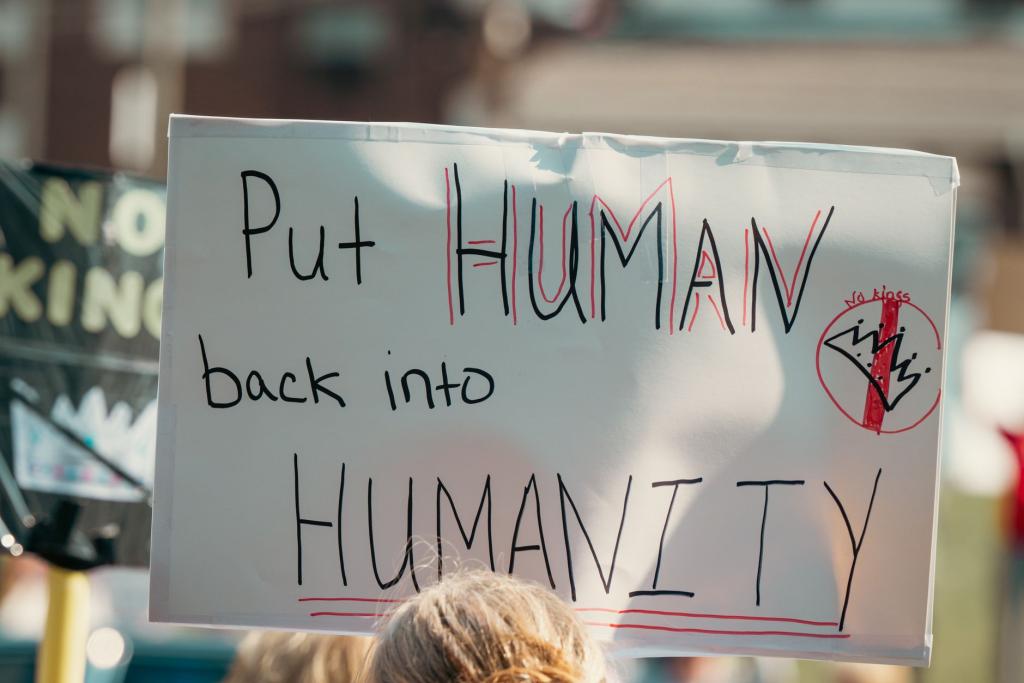
The United Nations General Assembly has elected fifteen countries to the UN Human Rights Council for the 2027-2029 term, and this UN Human Rights Council election produced a predetermined result: every single candidate won a seat. The 193-member body voted by secret ballot in October 2026, but the outcome was never in doubt: each of the five regional groups nominated exactly as many candidates as there were vacancies, turning the ballot into a formality. According to the UN's own meeting record, it is the second year in a row that all of the council's regional slates have gone uncontested.
The new members are Burundi, Ghana, Nigeria and Zambia for the African group; Japan, Jordan, Kuwait and Nepal for Asia-Pacific; Brazil, the Dominican Republic and Uruguay for Latin America and the Caribbean; Germany and Ireland for the Western group; and Moldova and Ukraine for Central and Eastern Europe. They will serve three-year terms beginning January 1, 2027, replacing fifteen members whose terms expire at the end of December. Five outgoing states, including China, Cuba and France, were ineligible for immediate re-election after serving the maximum two consecutive terms.
Why rights groups are calling it a farce
Human rights organizations reacted with open anger to the result. Louis Charbonneau, the UN director at Human Rights Watch, said the uncompetitive vote "makes a mockery of the word 'election'" and added that "no one should have a seat on this crucial body handed to them on a silver platter," in comments reported by AP News. He called on member states to insist on competitive slates so that candidates with poor human rights records can actually be rejected.
The criticism centers on who gets in when nobody can lose. In an analysis of the vote, the Global Centre for the Responsibility to Protect warned that the re-election of Burundi raises serious concerns about the council's credibility, pointing to the country's documented history of atrocity crimes and a climate of widespread impunity. The analysis notes that Burundi has failed to cooperate with the council's own mechanisms and has voted against resolutions addressing some of the world's gravest crises, including Sudan, Ukraine, South Sudan, Belarus and Eritrea. With the new lineup, twenty-three of the council's forty-seven members in 2027 will be designated "Friends of the Responsibility to Protect," states that have appointed atrocity-prevention focal points or joined the related diplomatic group.
The defense: member states decide
The UN's position is that the result belongs to the membership. A UN spokesman said the outcome is a decision for member states, reminding the Assembly that the founding resolution asks council members to uphold high human rights standards but does not legally require states to meet those benchmarks before taking a seat.
Several of the newly elected governments celebrated the result. Nigeria's foreign ministry announced that the country secured 172 of 181 votes and said the outcome "reflects international confidence in its commitment to advancing human rights and improving human rights conditions across the world," according to an official statement signed by ministry spokesperson Oluwafemi Adeniyi. The ministry added that Nigeria looks forward to working with fellow members on the council's mandate.
A twenty-year-old problem
This is not a new controversy. The Human Rights Council was created in 2006 to replace the old Commission on Human Rights, which had been discredited precisely because states with poor records sat on it. Within a few years, the new council faced strikingly similar criticism: that countries seek seats to shield themselves and their allies rather than to advance rights. A third of the forty-seven seats turn over every year across the five regional groups, and regional blocs have long preferred to negotiate slates in advance rather than risk open contests.
That arrangement is what makes the "clean slate" possible. With four African seats open and exactly four African candidates, four Asia-Pacific seats and four Asia-Pacific candidates, and so on, the General Assembly's secret ballot becomes a ratification exercise. Rights advocates argue the fix is straightforward: regional groups should field more candidates than seats in each UN Human Rights Council election, forcing a real choice. Two consecutive years of uncontested slates have now made that demand louder.
What the council actually does, and why it matters to you
The council is the UN's main intergovernmental body for human rights. It reviews the rights records of every country on a rotating schedule, appoints independent investigators who report on issues like torture and on situations in countries such as North Korea, Iran and Myanmar, and dispatches fact-finding missions to conflicts including Ukraine, the occupied Palestinian territories and Israel, and Sudan. Its findings feed into sanctions debates, aid decisions and diplomatic pressure campaigns.
For young people watching global politics, the stakes are concrete: the council's universal review process is one of the few mechanisms that puts every government's record on the table, and its investigators have documented abuses like the Taliban's targeted arrests of Afghan women that later shaped international court cases. A council stacked through backroom slates, critics say, is less likely to authorize the uncomfortable investigations that make that system work.
The new members take their seats in January 2027. Between now and then, the debate over competitive slates will follow the council into its next election cycle, with rights groups pressing regional groups to stop handing out seats in advance. Whether the General Assembly listens will decide if the next UN Human Rights Council election is an election at all.
Sources: the UN's official meeting record of the vote is published by UN Meetings Coverage; the Global Centre for the Responsibility to Protect analyzed the results on ReliefWeb; Human Rights Watch's reaction was reported alongside the vote tally.
Comments 0
No comments yet. Be the first to share your thoughts!
Leave a comment
Share your thoughts. Your email will not be published.