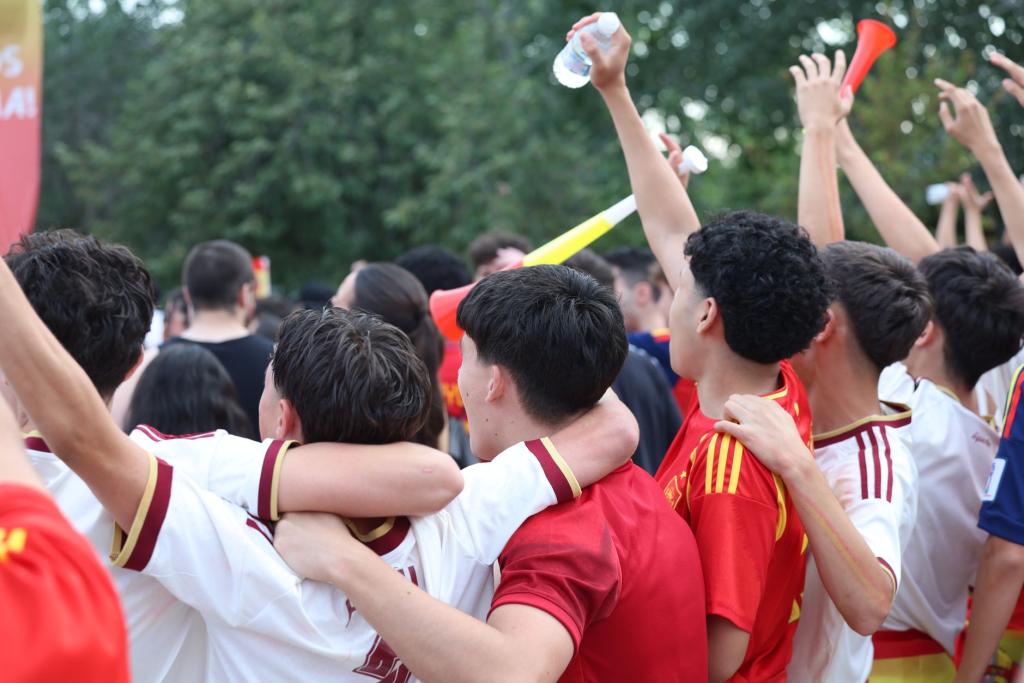
Netflix World Cup rights just became a real thing for football fans in Spain. On Tuesday, the streamer said it had secured the exclusive rights to broadcast the twenty thirty men's World Cup in Spain and Andorra, according to Reuters. It is the first time Netflix will show a major men's international tournament in Spain, and it is the biggest swing yet by a company that used to be all about binge-watching series.
The deal covers every single game of the tournament. Netflix says it will stream all one hundred four matches live, a number that reflects the new forty-eight-team format that debuted this summer. Financial terms were not disclosed, so nobody outside the room knows what the platform paid for the privilege.
What the Netflix World Cup rights deal actually covers
The headline is simple: if you live in Spain or Andorra and you want to watch the 2030 tournament live, Netflix is the home of the tournament. The company also promises pre-match and post-match shows, daily highlights and documentaries, according to the streamer's own announcement on its About Netflix newsroom.
There is a big catch for anyone worried about a paywall on the national team. Under the agreement, one match per matchday will be free to watch in Spain. A package of games will also go to a national free-to-air broadcaster, and that package includes every Spain match, both semi-finals and the final. Netflix has not said which channel will carry them, and more details are promised closer to the tournament.
Spain's state-owned network TVE, which aired the national team's games at this year's tournament, declined to comment on whether it would be interested in buying that package, Reuters reported. So the free games are guaranteed, but the home for them is still a blank.
Why Spain, and why now
Timing is everything here. Spain are the reigning champions after winning the 2026 World Cup in North America, and they will co-host the next edition with Portugal and Morocco. Argentina, Paraguay and Uruguay will stage three special centenary matches, since Uruguay hosted the very first tournament in nineteen thirty. The hundredth anniversary is a marketing dream.
Netflix chief content officer Bela Bajaria leaned into the emotion. "Few events unite people like the World Cup," she said, as reported by Euronews. She added that she was in the stands this year as Spain lifted the trophy and witnessed the passion and the pride. FIFA secretary general Mattias Grafström said the governing body was pleased to build on its partnership with Netflix.
Netflix is stacking up sports rights
This is not a one-off. According to Reuters, Netflix already holds the rights to the twenty twenty-seven Women's World Cup in Brazil and the twenty thirty-one edition in the United States and Canada. Netflix also just added presenter Rebecca Lowe to its broadcast team for the women's tournament, per its Tudum site. Put together, the picture is clear: the platform wants a permanent seat at FIFA's table.
Euronews described the move as a significant step in Netflix's strategy to grow its portfolio of live sports and compete with traditional television broadcasters. Live events are the one thing you cannot pirate in real time or watch next week, which makes them gold for a subscription business trying to keep people from cancelling.
For a generation that mostly watches football through clips, group chats and phone screens, a streaming-first World Cup feels natural. Plenty of Gen Z fans have never owned a cable box, so the idea of a tournament living inside the same app as your favourite shows is hardly shocking.
The questions still hanging in the air
There are real worries, and they are worth saying out loud. Live streaming at this scale is brutal. Servers crashing during a knockout game would be a nightmare headline, and Netflix has had live-event hiccups before. Millions of people in one country all pressing play at the same moment is a different test from a normal Friday night.
Then there is the price question. Free games help, but fans who want every group-stage match will need a subscription, and the company has not said what that will cost by twenty thirty. Traditional broadcasters will also be watching closely, because losing a World Cup to a streamer changes how they bid for everything else.
Fans outside Spain should not expect this to change their own viewing yet. The deal is limited to Spain and Andorra, and rights in other countries will be sold market by market, so the Netflix World Cup rights story is a Spanish one for now. Check our sports coverage as other deals land.
For now, the takeaway is that the streaming wars have officially moved onto the pitch. Four years is a long runway, but Netflix just told the world it plans to be on the biggest stage in football when the tournament turns one hundred.
Comments 0
No comments yet. Be the first to share your thoughts!
Leave a comment
Share your thoughts. Your email will not be published.