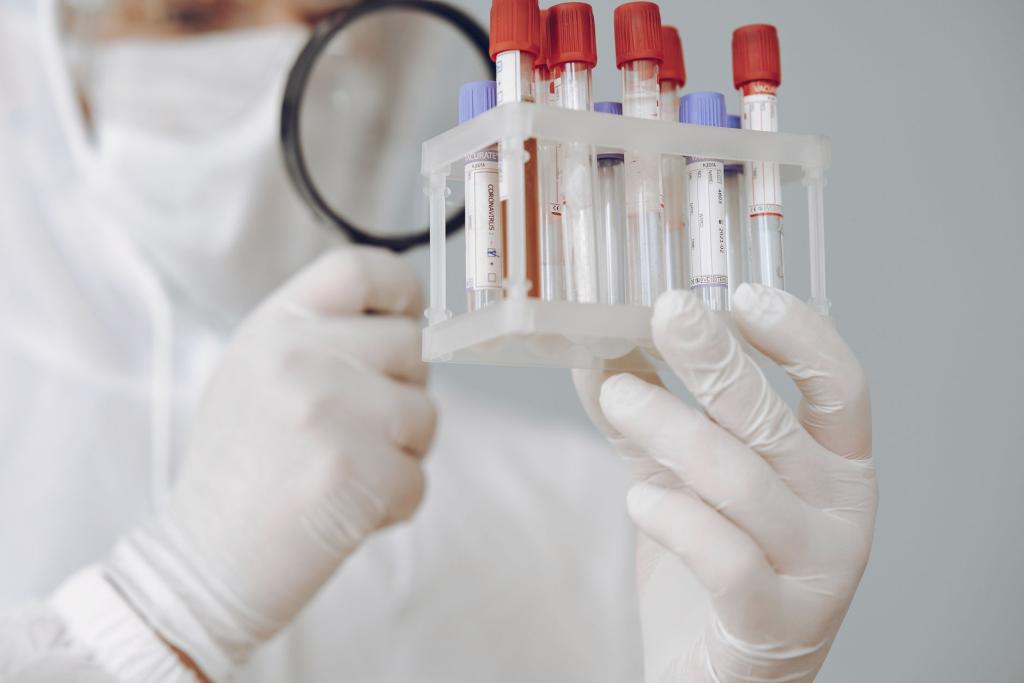
Erectile dysfunction drugs may be headed for a second act. The medicines that made their names treating erectile dysfunction appear to calm inflammation throughout the body, according to a new multi-omics study from researchers at the University of Texas Medical Branch. The work, published in the journal Physiological Reports, mapped what sildenafil and tadalafil do at the molecular level in healthy middle-aged adults, and the picture looks more like a system-wide tune-up than a single-target treatment.
The trial was small but carefully built. Sixteen adults in their fifties enrolled in a randomized, double-blind crossover study, which meant each volunteer served as their own control. Participants took sildenafil at fifty milligrams a day or tadalafil at ten milligrams a day for four weeks, then swapped to a visually identical placebo for the same stretch, with neither the volunteers nor the investigators knowing which pill was which at any point, ScienMag reported. The team verified real drug levels in the blood with mass spectrometry, so compliance was never a guessing game.
What the blood samples showed
The blood told the most consistent story. After taking the erectile dysfunction drugs, levels of eicosanoids, which are bioactive lipid messengers derived from polyunsaturated fatty acids, shifted in a direction linked to lower inflammation. Sildenafil lowered a molecule called 12-HETE, which the authors connect to oxidative stress, blood vessel dysfunction, neuroinflammation, and cancer metastasis, along with 5-HETE, another mediator tied to tumor progression and Alzheimer's disease. Tadalafil produced similar drops in that same lipid marker and in 13-HODE, a mediator linked to cognitive decline, while raising protectin D1, an anti-inflammatory compound derived from DHA that macrophages produce at sites of tissue injury.
The erectile dysfunction drugs also seemed to feed the body's nitric oxide supply chain. Sildenafil raised plasma L-arginine by roughly one and a half times, while tadalafil lifted intermediates of the citrulline nitric oxide cycle such as citrulline and argininosuccinate, the raw material for nitric oxide production. The researchers proposed a few explanations, including that the drugs might suppress arginase, an enzyme that competes with nitric oxide synthase for arginine, or improve the health of the gut cells that manufacture citrulline. The shift suggests these medicines may actively expand the fuel supply for nitric oxide signaling.
The muscle results, and the catch
Thigh muscle biopsies added a twist. Sildenafil switched on just over a hundred genes while dialing down a couple dozen others, and the pattern, the researchers wrote, resembled the molecular signature of long-term aerobic exercise training. Proteins involved in the cell's quality control machinery rose, as did proteins tied to telomere maintenance and DNA synthesis, which the authors noted could matter for how cells age. Tadalafil, oddly, left almost no mark on the muscle's gene activity at all, despite staying active in the body much longer. The team traced part of this gap to the erectile dysfunction drugs' different off-target effects: sildenafil also inhibits the enzymes PDE-1 and PDE-6, while tadalafil hits PDE-11, an enzyme found in skeletal muscle whose role is still poorly understood.
None of this makes the erectile dysfunction drugs a prescription yet. Counts of inflammatory immune cells in the muscle showed no significant change with either drug, and the authors cautioned that taking repeated biopsies near earlier sampling sites may have stirred up local inflammation that masked real effects. Strength, endurance, and self-reported fatigue did not improve over the study window, and the authors called for larger trials with longer treatment periods. Earlier work from the same group had shown that just days of sildenafil increased muscle protein synthesis in healthy men, so the question of dose and duration is still open.
Still, the molecular map is hard to dismiss. The convergence of lower inflammatory lipid mediators, more arginine pathway fuel, and exercise-like gene activity gives researchers testable leads for tackling inflammation, muscle wasting, cognitive decline, and cancer-related fatigue, the authors wrote. Repurposing erectile dysfunction drugs would mean leaning on medicines that are already widely prescribed instead of starting from scratch, and that is a shortcut drug development rarely gets.
The finding fits a growing pattern in medicine where sex and health overlap in unexpected ways. Recent coverage looked at how continuous glucose monitors can help people with type 1 diabetes feel safer about intimacy, and at a depression drug that appears to improve sexual function rather than wrecking it. This latest study adds another wrinkle for erectile dysfunction drugs: the little blue pill might end up doing more for aging bodies than anyone expected, and scientists finally have the molecular receipts to start asking.
Comments 0
No comments yet. Be the first to share your thoughts!
Leave a comment
Share your thoughts. Your email will not be published.