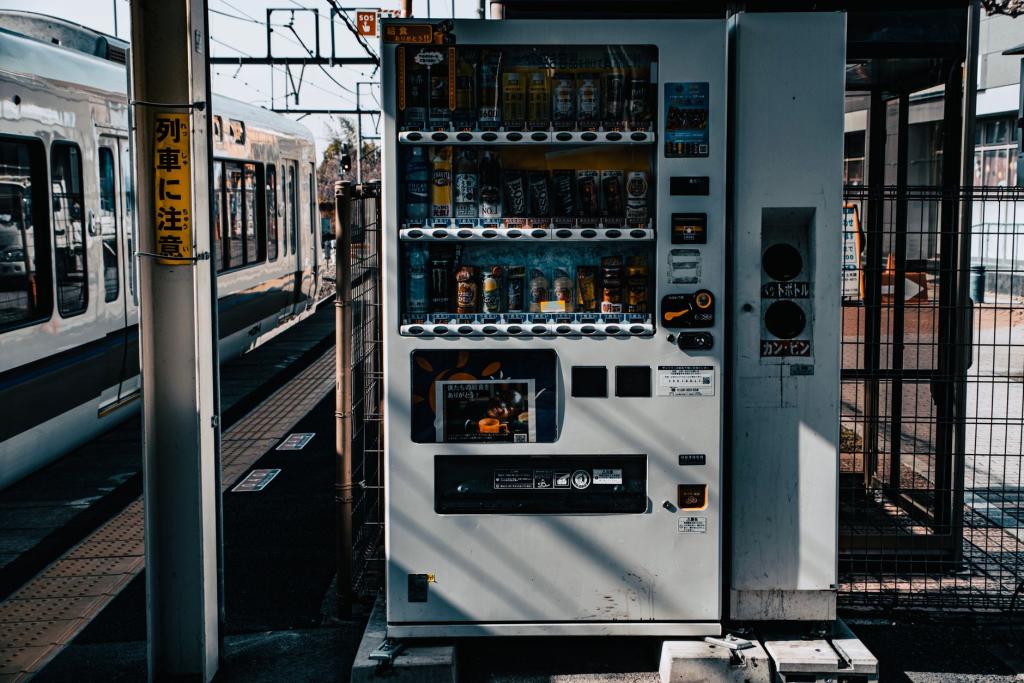
Getting the morning-after pill no longer has to mean a late-night pharmacy run, an awkward checkout line, or a next-day appointment at student health. On a growing number of campuses, students can simply walk up to a vending machine.
Emergency contraception stocked in campus vending machines has gone from a fringe experiment to a national movement. The number of U.S. colleges with machines dispensing the morning-after pill climbed from 16 in 2020 to more than 160 in 2026, according to the American Society for Emergency Contraception — a ten-fold jump in six years. The machines sell emergency contraception alongside condoms, pregnancy tests, and in some cases at-home STI and HIV test kits, and advocates say they are quietly becoming one of the biggest accessibility upgrades in student healthcare.
The latest push came in September 2026, when the contraception society and the American College Health Foundation announced a grant program funding new wellness-machine installations at eight community colleges, one public health department, and three community organizations, with another grant cycle opening in early 2027. The move matters because community colleges — which often have no on-campus health clinic at all — have been the hardest places for students to get contraception quickly.
"Not every health need requires a student to make an appointment or come into the Student Health Clinic," said Helen Lee, director of Oregon State University's Student Health Services, where a 24-hour wellness kiosk opened in the Memorial Union basement in spring 2026. According to OSU Today, Lee said the kiosk was designed around barriers students named themselves: "awareness, convenience, cost and navigating available services."
How the machines actually work
The Oregon State kiosk, funded by the Oregon Health Authority, stocks emergency contraceptives, condoms, pregnancy tests, and HIV self-tests. It also carries at-home chlamydia and gonorrhea kits from DamTested: students drop samples in a secure return box and Student Health Services processes the results. For students taking evening classes or commuting, the round-the-clock access closes gaps that clinic hours never could.
At California State University, Monterey Bay, a machine in the Otter Student Union went live in August 2026 and sells the morning-after pill at cost — ten dollars a dose, roughly half the retail price — with no ID required. Students who cannot afford the price can request a free-access code. According to Monterey County Now, the machine dispensed 33 doses in its first three weeks, and a university official said early buyers were mostly stocking up ahead of need — something the university encourages.
CSUMB's program grew out of California's 2022 law AB 2482, which piloted the concept on a handful of campuses. The state now has eight or more California State University campuses using wellness machines, making it the clearest proof that a small policy pilot can scale into standard student services within four years.
Why colleges — and community colleges — are the new frontier
There are more than 4,000 colleges in the United States, which means the 160-plus campuses with machines still represent a small slice. But the shape of the expansion is what advocates find encouraging: the newest grant wave targets community colleges and public health departments rather than well-funded four-year universities with full clinics. That shift reaches students who often juggle jobs, commuting, and caregiving — and who have the least time to chase a clinic appointment.
The machines also serve a privacy function that goes beyond convenience. Many students avoid picking up emergency contraception at a pharmacy because they worry about being seen, being carded, or having a purchase show up on a family insurance plan. A vending machine in a union basement asks no questions, and campus health data suggests anonymity is part of the appeal: Oregon State plans to adjust its product mix based on anonymous purchasing data from its kiosk.
The momentum is not slowing. East Texas A&M issued a request for proposals in September 2026 seeking a vendor to install and operate wellness vending machines — stocked with emergency contraception, at-home STI and respiratory tests, menstrual care, and pregnancy tests — at zero cost to the university, with proposals due in October 2026. Each new installation produces usage data that makes the next campus's case easier to argue, and the national grant cycle opening in early 2027 is expected to fund another round of schools.
The skeptics' case — and why it is losing
The machines are not without complications. Stocked contraceptives need temperature control, machines need regular restocking and maintenance, and campuses have to think through liability and security. Anonymous purchasing data, while useful for tuning product selection, also raises the question of how much information universities should collect about students' most private purchases.
Still, the trajectory looks hard to stop. From 16 campuses to more than 160 in six years, backed by state pilots, federal-adjacent grants, and student demand, the model has survived its proof-of-concept phase. The bigger question now is not whether wellness vending machines work — it is how fast the other 3,800-plus campuses catch up.
For students who want to know whether their campus has one, the American Society for Emergency Contraception announced its September 2026 grant program alongside a push for students and families to demand machines where access is limited. And for readers tracking the broader shift toward self-directed sexual healthcare, see GenZ NewZ's earlier look at how real-world DoxyPEP data cut STI rates and more coverage on the Sexual Wellness topic page.
Comments 0
No comments yet. Be the first to share your thoughts!
Leave a comment
Share your thoughts. Your email will not be published.