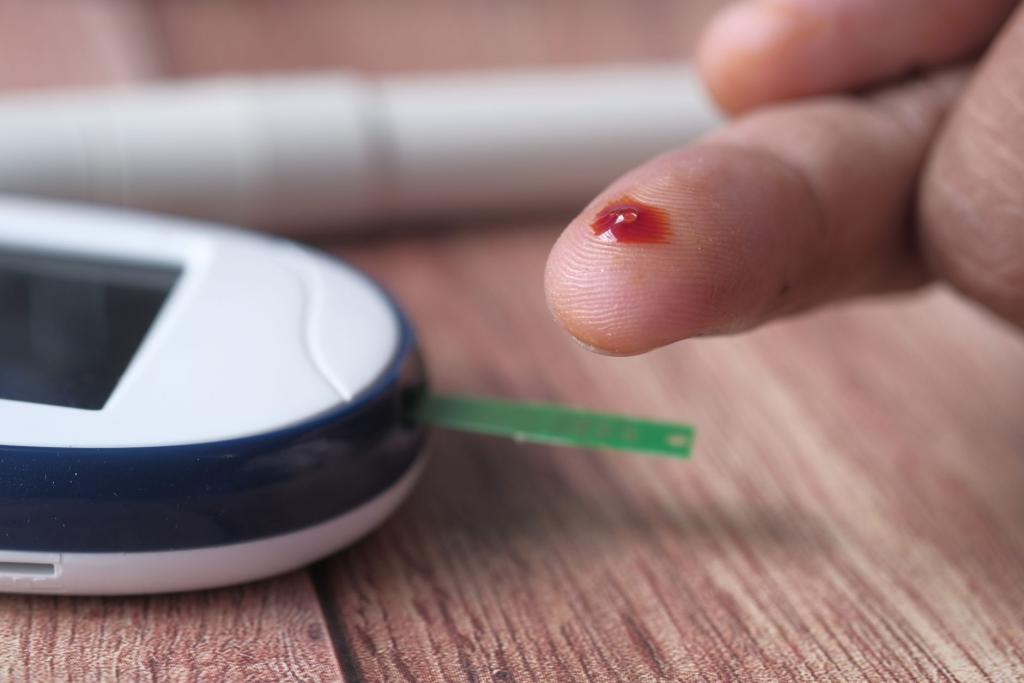
Nobody asks their endocrinologist about sex. People with type 1 diabetes will happily talk through carb ratios and pump settings, but intimacy stays off the table. In a survey of fifty-three young adults with type 1 diabetes, roughly one in three said they feared going low during sex, and the authors of a new study from Warsaw say that silence has consequences: fear of hypoglycemia can quietly push people to avoid intimacy altogether.
That is the gap Dr. Dominica Orlowska and her colleagues at the Medical University of Warsaw set out to fill. Until now, everything known about blood sugar and sex in type 1 diabetes came from questionnaires and interviews. Nobody had measured what actually happens to glucose in the hours around intimacy. This type 1 diabetes sex study is the first to do it with continuous glucose monitors instead of memory, according to the research announcement reported by MedicalXpress (medicalxpress.com).
How the Warsaw team ran it
Twelve adults with type 1 diabetes wore FreeStyle Libre 2 or Guardian 4 sensors for three months and marked each time they had sex in the CGM app. The group included seven women and five men, with a median age of thirty-six and ages ranging from twenty-one to sixty-four. Six participants managed diabetes with multiple daily insulin injections and six used insulin pumps, including two on automated insulin delivery systems. The researchers analyzed sensor data from two hours before each event to six hours after.
One hundred ten events were recorded in total. Every participant on pump therapy took the device off during sex, which the researchers noted in their methods. Across all one hundred ten events there was no clinically significant hypoglycemia, and the glucose changes had nothing to do with how long someone had lived with diabetes or which insulin delivery method they used.
What the glucose data showed
Glucose moved in both directions. In sixty-four events, just under three in five, average glucose fell by about a quarter, from one hundred eighty to one hundred thirty-two milligrams per deciliter. In the other forty-six, it rose by roughly a third, from one hundred twenty-two to one hundred sixty-four. Both patterns showed up in every single participant. Higher starting glucose tended to predict a bigger drop when levels were falling and a smaller rise when they were climbing, according to the study.
Timing mattered. The sixty-six events that happened at night, between eight in the evening and six in the morning, came with a statistically significant dip from one hundred sixty-five to one hundred forty-seven. The forty-four daytime events showed essentially no change. Participants with a body mass index of twenty-five or above saw a larger post-sex drop, down nearly eleven percent, while the leaner group dropped less than six percent, a difference that did not reach statistical significance.
Dr. Orlowska explained the dilemma in the announcement: "On the one hand, sex is physical exertion like any other and can lower glucose in the same way. But in practice, it is different, and our patients tell us so. Exercise can be planned for, you can reduce your insulin dose, eat beforehand, set an activity mode on your pump. Yet sexual activity is usually spontaneous, and it typically happens in the evening or at night, which is already the window of greatest risk for severe and unrecognized hypoglycemia. And above all, nobody talks about it: patients will discuss exercise with their diabetologist and receive concrete advice, but almost no one asks about sex, so the fear is never addressed. Yet sex life is central to quality of life, and fear of hypoglycemia can lead people to avoid intimacy."
Why the finding matters
The authors of the type 1 diabetes sex study concluded that intimacy does not appear to raise the risk of clinically significant hypoglycemia for adults with type 1 diabetes, even at night, and they suggested the data could support clinical counseling. The result is also a reminder that sexual health covers more than infections and contraception: it includes the unspoken worries people carry into the bedroom, the kind this site has covered before in pieces on wastewater STI surveillance and the FDA's first workshop on testosterone therapy for women.
There is a catch, and the researchers stated it plainly. Everyone in the study wore a glucose monitor, which means they could see trouble coming. According to the authors, people with type 1 diabetes who do not use CGM may have no idea whether they are going low during sex, or in any other setting. In their words, in an ideal world every person with type 1 diabetes would be using one. News-Medical covered the same findings (news-medical.net) and noted the study's small size alongside its novelty.
The research will be presented at the European Association for the Study of Diabetes annual meeting in Milan, which runs September 28 through October 2.
Comments 0
No comments yet. Be the first to share your thoughts!
Leave a comment
Share your thoughts. Your email will not be published.