Type 2 diabetes used to be called an "old person's disease." That framing is officially outdated. Diagnoses among adults under 45 have been climbing for years, and this early-onset form hits harder and moves faster — blood sugar control deteriorates quicker, complications arrive earlier, and life expectancy takes a bigger hit. But a new trial is flipping the script: it turns out that when young adults are given an intensive, supervised program, more than half can reach early-onset diabetes remission without medication.
What happened
The RESET for Remission trial, led by Professor Kaberi Dasgupta of McGill University and Professor Thomas Yates of the University of Leicester, randomized 96 adults aged 18 to 45 with early-onset type 2 diabetes and obesity across three centers in England and Canada. The participants were not on insulin therapy, had an average age of 38, and an average BMI of 35.2. The goal was simple: find out how far structured diet and exercise alone can move the needle on early-onset diabetes remission. The trial was presented at the annual meeting of the European Association for the Study of Diabetes (EASD) in Milan and published in The Lancet Regional Health Americas.
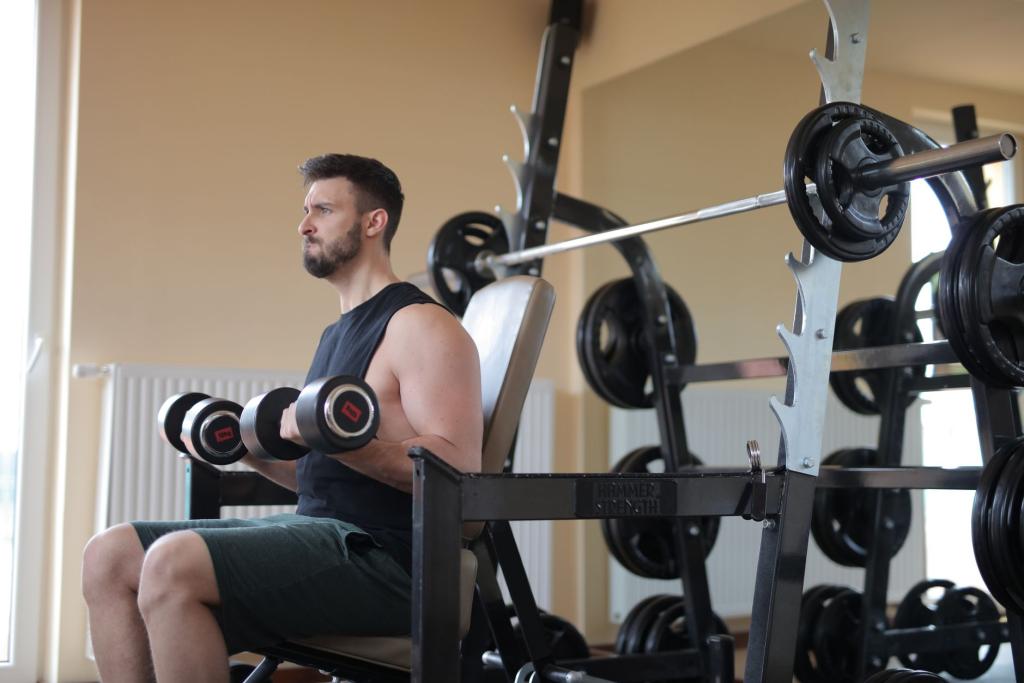
Half the group got usual care. The other half got a serious reset: an 800–900 calorie-per-day low-energy diet for the first 12 weeks — starting with two weeks of total meal replacement, then adding one food-based meal a day with lean protein, fruit, and non-starchy vegetables — paired with supervised aerobic and resistance training twice a week plus one independent workout session. For weeks 13 through 24, they transitioned to a weight-maintenance diet and exercised independently. At the start of the program, participants stopped all glucose- and blood pressure-lowering medications (unless they had a kidney condition called albuminuria), according to the researchers.
The headline result: after 24 weeks, the trial delivered one of the clearest demonstrations yet of early-onset diabetes remission through lifestyle alone — 27 of 50 people in the intervention group — 54% — had achieved remission, meaning their HbA1c dropped below 6.5% and they stayed off diabetes medication for at least 12 weeks. In the usual-care group, only 2 of 46 (4%) hit that mark. After statistical adjustment, those in the diet-and-exercise group were 21 times more likely to achieve remission than those receiving standard care. The intervention group lost an average of 8.4 kg (about 18.5 pounds) versus 1.2 kg in the control group, and nearly all of that extra loss was fat — roughly 6.6 kg of fat mass. Crucially, the resistance training appeared to preserve muscle during rapid weight loss, which matters because crash diets often strip lean mass along with fat.
No severe adverse events occurred; most reported side effects were early, temporary diet effects like constipation, headache, dizziness, and fatigue that resolved.
Why it matters
This is the first randomized trial to show that early-onset type 2 diabetes — widely considered the most aggressive and hardest-to-treat form — can be reversed at these rates through lifestyle alone. It is a clear, randomized demonstration that early-onset diabetes remission is achievable at scale with lifestyle intervention. The remission figure sits at the upper end of what's been reported for similar trials, and the trial specifically targeted a multi-ethnic population of younger adults, the exact demographic being hit by the global rise in diagnoses. As reported by the study team, the combined program also improved cardiorespiratory fitness, heart structure, muscle quality, and patient-reported well-being — not just blood sugar numbers.
For Gen Z and young millennials, the relevance is direct. Early-onset diabetes gives the disease decades longer to damage blood vessels, nerves, kidneys, and the heart, and it carries elevated cardiovascular risk and a heavier lifetime burden of complications. Standard care has generally focused on managing the condition with medication for life. This trial suggests a different paradigm: an intensive, structured intervention could arrest the disease's rapid evolution entirely, at least for a meaningful share of young patients. The authors also note the approach may be especially valuable for people with potential for pregnancy, where uncontrolled blood sugar poses serious risks.
There are important caveats. The trial was small — 96 people — and only ran 24 weeks. The 800–900 calorie-per-day phase is extreme and was done with medical supervision, meal replacements, and planned medication withdrawal; it is absolutely not a DIY plan. And weight regain is the known enemy of remission: most weight-loss programs see partial or full regain, and regain after diet-only loss often restores fat while lean mass stays lost, raising long-term sarcopenia risk. The resistance-training component here was specifically designed to fight that, but it needs longer follow-up to prove durability.
What to watch next
The research team says the approach warrants evaluation in longer-term, real-world studies — the critical question being whether remission holds at one year, two years, and beyond once supervision ends and normal eating resumes. Watch for follow-up data on this cohort, and for larger trials testing whether a supervised low-energy diet plus exercise can be scaled through health systems, where coaching, meal replacements, and gym access would need to be affordable and available rather than a clinical-trial luxury.
Expect health agencies to keep debating where remission-focused programs fit alongside GLP-1 medications, which also produce major weight loss and are increasingly prescribed to younger adults. The trial doesn't settle that competition — and the study authors aren't claiming it replaces medication for everyone — but it strengthens the case that structured lifestyle intervention deserves a seat at the treatment table, not just a footnote. If follow-up studies confirm the durability, early-onset diabetes remission programs could reshape how newly diagnosed young adults are treated: not "here's your prescription for life," but "here's an intensive program that could reverse this." For more detail on the trial design and results, see the coverage at MedicalXpress and the EASD meeting page.
Comments 0
No comments yet. Be the first to share your thoughts!
Leave a comment
Share your thoughts. Your email will not be published.