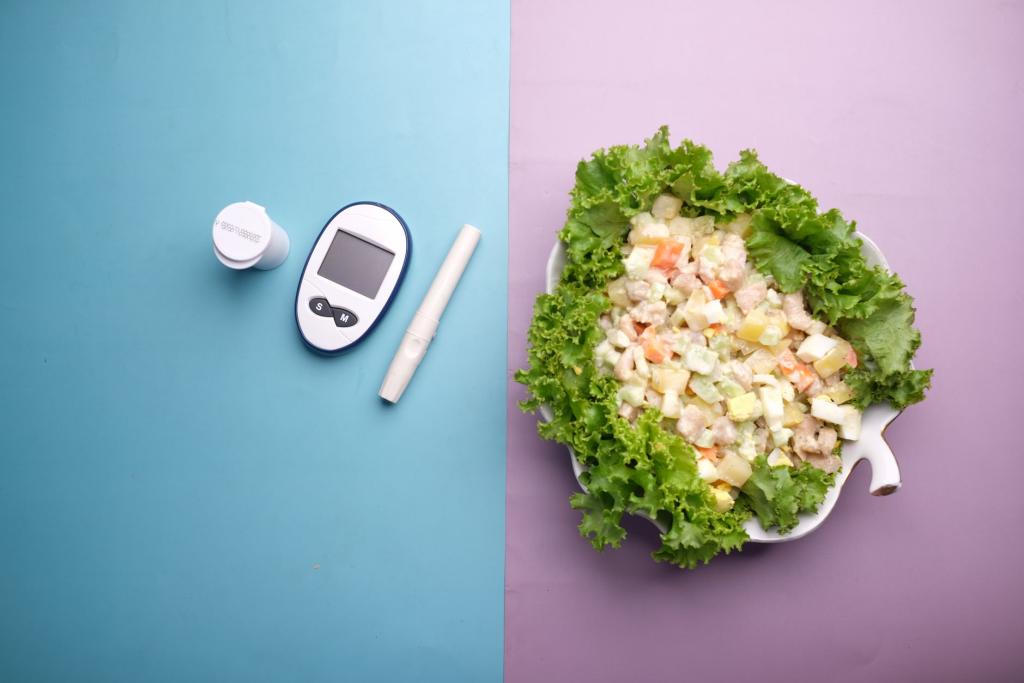
For the growing number of young adults diagnosed with type 2 diabetes, a new trial delivers a genuinely hopeful number: 54 percent. In a randomized trial presented at the annual meeting of the European Association for the Study of Diabetes in Milan, more than half of participants under 45 who combined a low-calorie diet with structured exercise put their early-onset type 2 diabetes into remission at 24 weeks. According to reporting by Medical Xpress, the diabetes remission study is the first to test this combined approach specifically in early-onset type 2 diabetes.
Early-onset type 2 diabetes, defined as diabetes diagnosed before age 45, is a distinct and growing clinical problem. It progresses faster than diabetes diagnosed later in life, with blood sugar control deteriorating rapidly, complications arriving earlier, and life expectancy reduced. It is also rising globally, and standard care often struggles to keep up. The new trial, called RESET for Remission, asked whether a potent lifestyle intervention could not just manage the condition but reverse it.
The study was led by Professor Kaberi Dasgupta, director of the Division of General Internal Medicine at McGill University in Montreal, and Professor Thomas Yates of the University of Leicester in the UK, with colleagues across three centers in England and Canada. The trial randomized 96 adults aged 18 to 45 with early-onset type 2 diabetes and obesity who were not on insulin therapy, following them between September 2021 and June 2025.
What the intervention involved
Half the participants received usual care. The other half got the full program: an 800 to 900 calorie-per-day low-energy diet, combined with twice-weekly supervised aerobic and resistance exercise plus once-weekly independent exercise for the first 12 weeks, followed by a weight-maintenance diet with independent exercise for weeks 13 to 24. Participants stopped all glucose-lowering and blood pressure-lowering medication when the diet began, and were encouraged to drink at least two liters of calorie-free fluid daily.
The diet itself was tightly structured. The first two weeks were total meal replacement using Optifast shakes. Weeks 3 to 12 kept the same 800 to 900 calorie intake with more variety, using Optifast in the UK and ProtiDiet in Canada, and allowed one food-based meal per day with 60 to 90 grams of protein across all sources, one portion of fruit, and two portions of non-starchy vegetables. The macronutrient split was 30 percent protein, 50 percent carbohydrate, and 20 percent fat. The point of the calories was not punishment but precision: pushing glucose below the diagnostic threshold for diabetes without medication.
Remission was defined strictly: glycated hemoglobin (HbA1c) below 6.5 percent and no glucose-lowering medication for at least 12 weeks. The results were striking. Remission at 24 weeks occurred in 27 of 50 intervention participants, or 54 percent, compared with 2 of 46 control participants, or 4 percent. After statistical adjustment, those in the intervention group were 21 times more likely to achieve remission than those receiving usual care. Intervention participants lost an average of 8.4 kilograms versus 1.2 kilograms in the control group.
Muscle preservation matters too
One of the study's most important findings was not about blood sugar at all. Weight loss driven by calorie restriction alone typically strips away both fat and fat-free mass, and when the weight creeps back, it tends to return as fat, leaving people with less muscle than they started with and a higher risk of sarcopenia over time. The RESET for Remission trial deliberately targeted muscle during the intensive weight-loss phase through resistance training, and the results indicate that fat-free mass and muscle preservation is achievable even with rapid weight loss.
That matters because muscle is a metabolic engine. Preserving it during remission-oriented weight loss may have important implications for long-term metabolic health, physical function, and the trajectory of the disease itself. The trial also showed improvements in cardiorespiratory fitness, body composition, cardiac structure, and patient-reported outcomes. Remission was achieved without severe adverse events, although most intervention participants experienced at least one adverse event, mainly early diet effects like constipation, headache, dizziness, and fatigue that resolved.
The authors say their findings "demonstrate the feasibility and efficacy of combining structured aerobic and resistance exercise with a low-energy diet in early-onset type 2 diabetes, supporting its potential to deliver substantial and holistic health and well-being benefits alongside diabetes remission." They note that their remission rates sit at the upper end of what has been reported in trials of similar duration, and emphasize that this is the first demonstration of such effects in a multi-ethnic population with early-onset disease.
Why it matters
For young adults facing a diagnosis of type 2 diabetes, the standard story has been one of lifelong management: medication, monitoring, and a slow accumulation of complications. The diabetes remission study suggests a different story may be possible for many, one in which a structured, time-limited intervention can reset the condition itself rather than just holding it back. The researchers are careful to add the caveats: this was a 24-week trial, weight regain is common after weight-loss programs, and longer studies in real-world settings are needed, according to the study's authors. Scalable versions of the program, especially for people who might want to become pregnant, are the next frontier. But for a disease defined by relentless progression, a 54 percent remission rate is not a small thing. It is a reason to rethink what treatment can aim for.
GenZ NewZ covers exercise and health research closely, including a recent study on exercise and memory gains in breast cancer and the gap in sleep-focused functional foods.
Comments 0
No comments yet. Be the first to share your thoughts!
Leave a comment
Share your thoughts. Your email will not be published.