Diabetes Risk appears to climb fastest in the first few months after someone starts an antipsychotic, according to a large study published in The Lancet Psychiatry in October 2026. University College London researchers reviewed anonymous GP health records for nearly 97,000 adults in England living with serious mental illness who began one of four widely prescribed antipsychotics between the year 2000 and 2023.
They compared records from the two years before treatment began with those from the two years that followed, tracking weight and HbA1c, the blood test that reflects average blood sugar over time. The sharpest changes landed inside the first 90 days: HbA1c rose about 14 times faster than it had before treatment, and weight rose around nine times faster.
Crucially, blood sugar and weight did not always move together, which suggests that watching the scale alone could miss early warning signs, according to MedicalXpress's coverage of the findings.
Diabetes Risk and the First 90 Days
The four medicines in the analysis were olanzapine, quetiapine, risperidone and aripiprazole, and they were not equal. People taking olanzapine saw the steepest early climb, with HbA1c rising roughly 50 times faster than before treatment and weight about 10 times faster.
Sex mattered too. Among women, blood sugar rose around 24 times faster and weight around 12 times faster than before treatment; among men, the early acceleration was roughly 10 times faster for both measures. People who entered treatment with prediabetes faced the sharpest stakes: 19 out of every 100 went on to develop type 2 diabetes within two years, compared with 3 in 100 among those who started with normal blood sugar.
The study's lead author, Juan Carlos Bazo-Alvarez, a researcher in epidemiology and health at UCL, argues the takeaway is practical rather than alarmist. In comments reported by the outlet, he said: "health care professionals should check both weight and blood sugar before treatment starts and again during the first few months afterward."
The findings land on top of a well-known health gap. Schizophrenia affects about 23 million people worldwide and bipolar disorder about 37 million, and both conditions cut average life expectancy by roughly 10 to 20 years, driven mainly by heart and metabolic disease. That physical toll lands on a population already under strain, as shown in our coverage of England's mental health baseline. Second-generation antipsychotics are life-changing for many patients, yet they have long been known to add to that metabolic burden.
Why This Matters for Young People
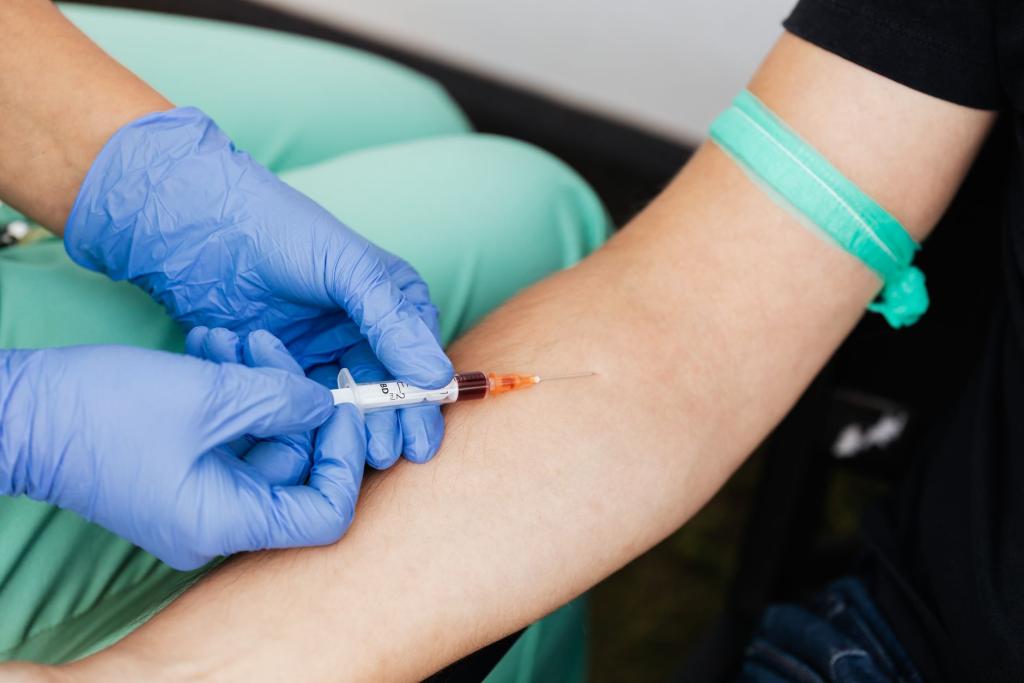
Many participants began treatment in their late teens and twenties, the years of first jobs, first apartments and, for many, the first time managing their own medical care. Youth mental health already depends on many outside pressures, including where young people grow up. For a young adult starting a psychiatric medication, the study reframes a routine lab draw as something more: an early blood-sugar check may be the single most useful way to keep Diabetes Risk in check.
That timing also connects to a bigger problem in psychiatric care. A separate analysis published in BMC Medicine in October 2026, covered by ScienMag, pooled 29 randomized trials with 1,721 patients and found that metabolic side effects are among the leading reasons people stop taking antipsychotics, which can trigger relapse and hospitalization. The review found semaglutide lowered body mass index and blood sugar markers while metformin improved cholesterol readings, but its authors describe the evidence as exploratory and call for direct head-to-head trials.
What the Research Can't Yet Say
The England study could only use information already written into GP records, so it could not account for diet, exercise or other medicines that also move weight and blood sugar. And while its interrupted time-series design shows a clear change after treatment began, it cannot prove the drug alone caused it.
Ask About a Checkup
None of this is a reason to delay or refuse psychiatric medication, and this article is not medical advice. Antipsychotics help many people with serious mental illness live fuller lives, and untreated illness carries severe health costs of its own. But the new evidence gives patients and families a concrete question for the next appointment: can we schedule a blood-sugar check within the first few months? Anyone noticing rapid weight gain or unusual thirst and fatigue should contact their clinician directly.
Comments 0
No comments yet. Be the first to share your thoughts!
Leave a comment
Share your thoughts. Your email will not be published.