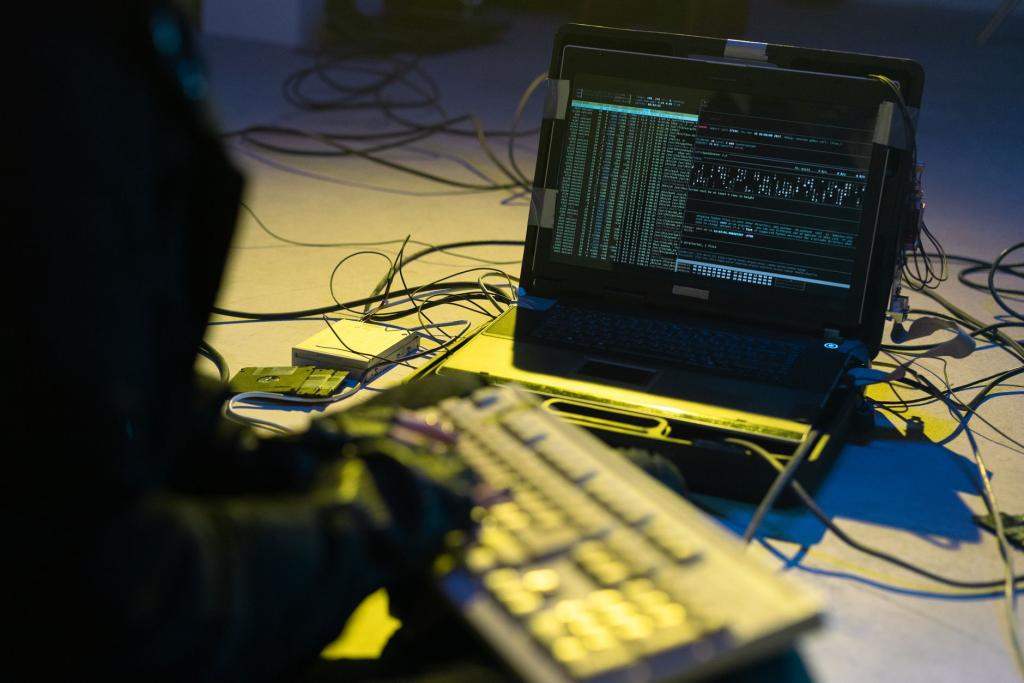
For years, the fight between anti-piracy company Denuvo and the people who crack its protection has been a technical one, fought in patches and release notes. The Denuvo lawsuit filed on September 14, 2026, moved that fight into federal court. The company filed a complaint in the U.S. District Court for the Northern District of California against an anonymous game cracker using the name "voices38", accusing them of bypassing Denuvo's anti-tamper protection in at least 26 PC games and enabling pirated copies to spread.
The defendant is named in the filing only as "voices38, an unknown individual or entity", along with ten unnamed Does, because Denuvo does not know who the cracker is. According to the complaint, voices38 "has bypassed the Denuvo Anti-Tamper and thus bypassed DRM restrictions, removed copyright protections restricting unlawful access, and allowed for the creation and distribution of pirated versions" of each of the 26 games on its list.
The Denuvo lawsuit was first reported by TorrentFreak, which obtained a copy of the filing. Video Games Chronicle (VGC) and BetaNews have since covered its details.
The 26 games named in the complaint
The complaint in the Denuvo lawsuit lists recent high-profile releases. According to VGC's account of the filing, they include Resident Evil Requiem, Stellar Blade, Black Myth: Wukong, 007 First Light, Pragmata, Hogwarts Legacy, Sonic Frontiers, Assassin's Creed Mirage, Mafia: The Old Country, Doom: The Dark Ages, and a remaster of Dead Space.
The case number assigned to the Denuvo lawsuit is 5:26-cv-10423-NC, as reported by BetaNews. The roster reportedly covers seven Electronic Arts titles, two Bethesda games, Warner Bros. Games releases including Hogwarts Legacy, and titles from publishers including Sega, Ubisoft, Capcom, and 2K Games. The alleged cracks stripped out the launch-window protection those publishers pay Denuvo to provide.
The list may already be out of date. TorrentFreak reported that since Denuvo compiled it, voices38 has released additional cracks for games including Persona 3 Reload and Star Wars Outlaws.
Why the Denuvo lawsuit rests on the DMCA, not copyright
The notable legal feature of the Denuvo lawsuit is what it does not allege. Denuvo owns none of the 26 games, so it cannot bring a conventional copyright infringement claim the way a publisher could. Instead, the complaint relies on the anti-circumvention provisions of Section 1201 of the U.S. Digital Millennium Copyright Act, which makes it unlawful to bypass technological measures controlling access to copyrighted works, regardless of who owns those works.
The DMCA's anti-circumvention section also bars distributing tools or instructions that help others circumvent digital locks, and it allows any party harmed by such circumvention to sue. Denuvo argues that its business, licensing anti-tamper technology to major publishers including EA, Ubisoft, Capcom, and Sony, is directly damaged when cracks remove that protection. The alleged offense is defeating the lock, not distributing what sits behind it.
Denuvo is asking the court to order voices38 to pay damages for violating the DMCA's anti-circumvention provisions and to issue an injunction preventing them from "circumventing Denuvo's Anti-Tamper in any past, present, or future video game". The relief the Denuvo lawsuit seeks is twofold: damages and a court order. The word "future" stands out because the injunction asks the court to restrain cracking of games that have not yet been released.
A defendant the company cannot name
The immediate problem for the Denuvo lawsuit is identification. The complaint lists the cracker's Discord user ID, Reddit account, and seven Steam accounts believed to be associated with them, but the person behind the handle is unknown. Reports on the filing suggest the case may partly serve as a legal mechanism: filing it would let Denuvo ask the court for permission to subpoena Discord, Reddit, and Valve for identifying information tied to those accounts.
The cracker appears unfazed. In a response on the CrackWatch forum on Reddit, voices38 posted: "All is fine. Everything will continue as normal."
Why it matters
Denuvo's anti-tamper software has drawn complaints from PC players for years, with some saying it hurts game performance. Late last year, the pirating community built a bypass that installs a driver at a PC's kernel level to intercept and respond to Denuvo's security checks. Some players were uncomfortable giving kernel-level access to software built by a hacker, which kept demand alive for traditional cracks: unauthorized patches applied to games players own or have pirated. It is not the first time hacking has landed in the headlines this month: a security test using Google's Gemini AI managed to break into three real companies.
With the Denuvo lawsuit, the company is going after a cracker directly instead of racing them only on technical ground. Whether the case produces an identification, an injunction, or simply a warning to others will depend on whether Denuvo can pierce the anonymity the cracking scene runs on. The next step, if the court grants it, is discovery: subpoenas to the platforms where voices38 left accounts behind. The gaming industry has had a busy season on the legal and platform front generally: this month also saw RuneScape end 25 years as a PC-only game with a console debut.
Sources: Video Games Chronicle, BetaNews, Nerdly
Comments 0
No comments yet. Be the first to share your thoughts!
Leave a comment
Share your thoughts. Your email will not be published.