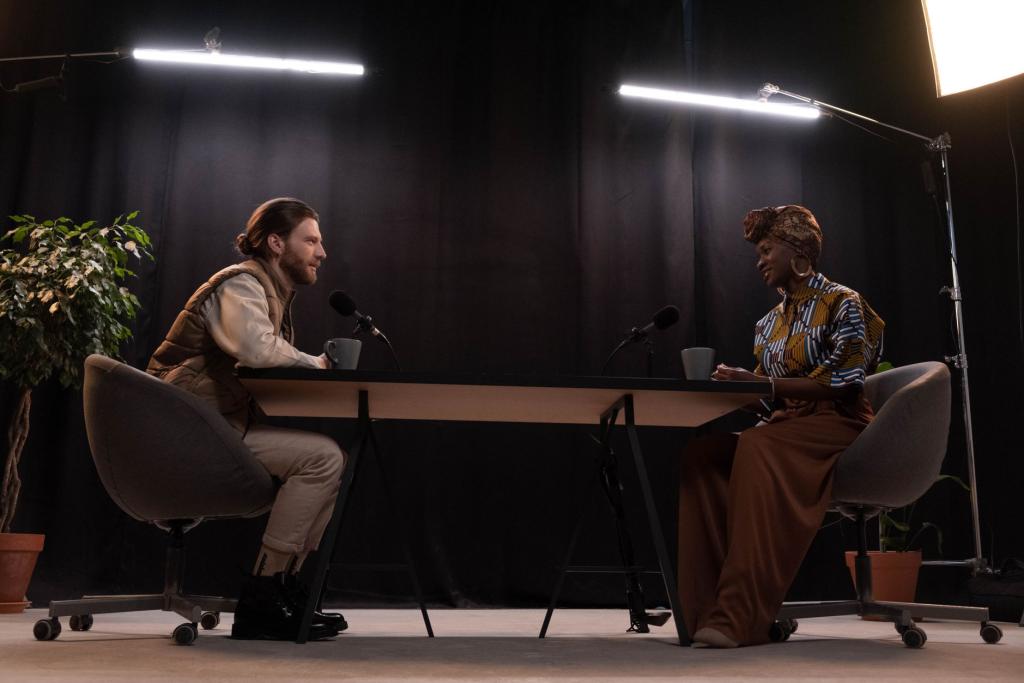
Hillary Clinton has a new co-hosting gig. The former secretary of state is teaming up with journalist Kara Swisher for the High Stakes podcast, a six-week limited series that premiered Wednesday, October 14. Produced with Vox Media, it runs as a third weekly episode inside Swisher's existing On With Kara Swisher feed for New York Magazine. The timing is the whole point: the show landed less than three weeks before the November 3 midterm elections.
The first episode is called "The Affordability Episode," and it runs close to an hour with a single message: the cost of living. According to the show's published notes, Clinton and Swisher take on Elon Musk's political spending, rising prices for gas, groceries and health care, and whether money can move voters. They also break down key Senate races in Michigan and Maine, the one message Democrats should keep repeating into November, and Clinton's own reflections on surviving years of political attacks. The episode listing describes the new High Stakes podcast as six weeks of breaking down the year's most consequential races.
Clinton is treating the High Stakes podcast as a direct line to voters. In an announcement video, she said that on November 3 every House seat is on the ballot, along with 35 Senate seats and 36 governorships, and that grocery bills, rent and health care costs are all on the line. In a statement distributed by Vox Media, she added that the stakes in November were the highest ever for the country and the world, and that voters were hungry for real conversation about the state of American democracy and what the election means for their families. The show, she said, would bring some discussion, some debate and, she hoped, a lot of laughter.
The tryout happened on Pivot back in August
The pairing started as an experiment. Clinton filled in for Scott Galloway on Swisher's Pivot podcast in August, and the two kept talking. They first met at the Washington home of David Bradley, the former owner of The Atlantic, in the Kalorama neighborhood, according to reports. Vox Media CEO Jim Bankoff later called both women forces of nature and praised their undeniable chemistry as hosts, and he hinted that more collaborations could follow.
The business arrangement is unusual for political media. According to The New York Times' reporting, both hosts take a share of the advertising revenue the episodes generate, giving Clinton and Swisher a direct stake in the show's commercial success. Political podcasts rarely hand their hosts a cut of the ad money up front. It is a sign of how seriously the industry takes this format now: the medium is courting talent that once would have needed a cable network to reach an audience this size.
Swisher, for her part, told The New York Times she wants the series to show a side of Clinton that usually stays behind closed doors. Clinton is a global icon, Swisher said, who does not hold back and brings an invaluable perspective to the conversation. Her goal, she said, was to let listeners hear the Clinton that people who know her describe as funny. That framing explains the guest-host test run: the August Pivot episode let both sides check the dynamic before committing to six weeks of the High Stakes podcast.
Podcasts are where the midterm fight is being waged
For younger voters, the medium choice shapes the message. The 2026 campaign cycle has been fought as much in podcast feeds as on television, with both parties pouring money into shows and creator partnerships to reach voters under thirty. Paid political creators have flooded every feed this cycle, and a weekly slot inside an established show like Swisher's gives Clinton a built-in audience without the slow grind of launching a new feed from zero.
The limited run is also a smart structural choice. Most new podcasts never make it past their first year: podfade kills about three of every four new shows, and a six-week series with a fixed end date never has to survive the slow middle. New High Stakes podcast episodes drop every Wednesday, and the run stretches past Election Day into mid-November, so the final episodes can react to the results instead of just predicting them.
The opening episode also sets the issue terrain for the weeks ahead. The affordability framing puts grocery prices and health care ahead of process stories, which is the same lane Democrats have been trying to claim all cycle. Senate races have mostly been fought on vibes so far, and Clinton and Swisher are betting that a long-form conversation can pull the debate back to what things cost.
Whether six Wednesday episodes move any votes is unknowable. What is clear is the strategy: meet younger voters where they already spend their listening hours, put two of the most recognizable women in American media on the same mic, and talk about prices. The next episode of the High Stakes podcast drops Wednesday, October 21.
Comments 0
No comments yet. Be the first to share your thoughts!
Leave a comment
Share your thoughts. Your email will not be published.