China GDP growth sped up to four point five percent in the third quarter, according to CNBC, edging past the four point four percent that economists polled by Reuters expected. It is a better number than the three-year low of four point three percent in the spring, but the story underneath is messier than the headline.
The world's second-largest economy is still leaning on factories and overseas buyers while ordinary households keep their wallets shut. If you have been wondering why China keeps posting solid growth while everything feels gloomy, this is the reason.
The Numbers, Quickly
According to Reuters, the National Bureau of Statistics said output rose one point two percent from the previous quarter, ahead of the one point one percent forecast and up from zero point nine percent in the second quarter. Growth across the first nine months averaged four point six percent.
Industrial output in September grew five point five percent from a year earlier, matching forecasts and improving on five point two percent in August. Retail sales rose one point one percent, which beat the zero point six percent analysts expected, but it is still a very small gain for an economy of this size.
Urban unemployment stood at five point two percent in September, per CNBC. Those figures describe a country that is growing, just not in a way that most people can feel in their daily lives.
Exports Are Doing the Heavy Lifting
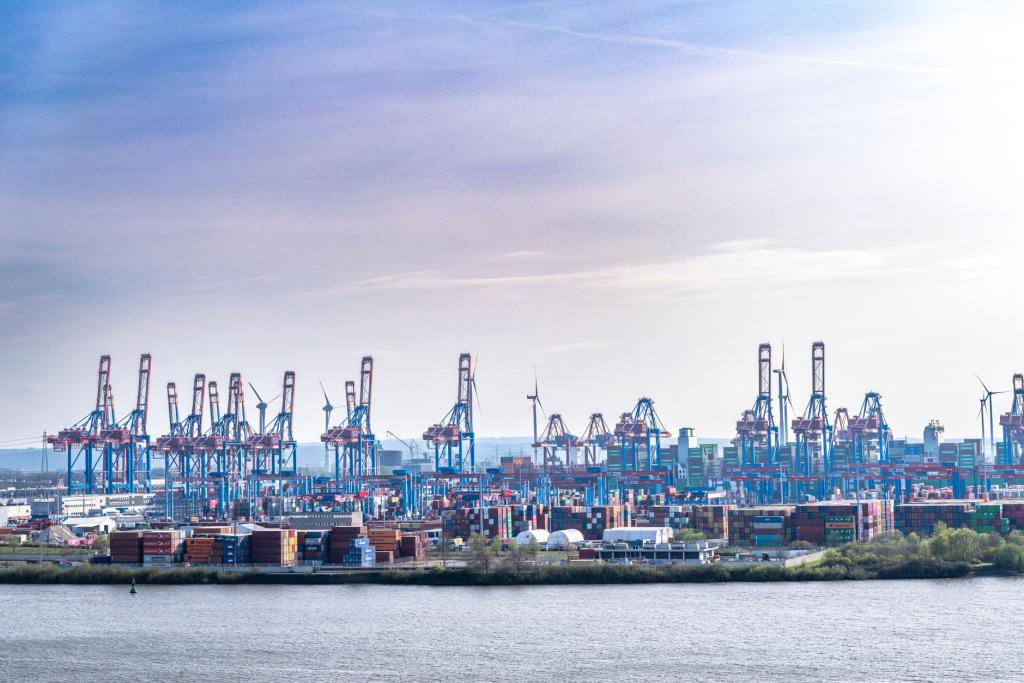
CNBC reports that foreign demand for Chinese technological goods largely offset a deepening property slump and sluggish consumer demand. Beijing has leaned hard on exports this year, and that approach is paying off in the data, at least for now.
The risk is that this engine may not keep running at full speed. CNBC notes that investment in AI-related sectors is cooling and trade tensions with the European Union are escalating, both of which could hit the factories that are currently carrying the load.
Think of it like a group project where one person does all the work. The grade looks fine, but nobody wants to bet on that person never getting tired.
The Property Hole and the Missing Shoppers
Fixed asset investment in urban areas fell seven point two percent over the first nine months compared with a year earlier, CNBC reported. That is a steep drop, and it is a big reason domestic demand feels so muted, since property has long been where Chinese families park their savings.
When homes lose value, people spend less on everything else. That is why retail sales barely budged even as the broader economy picked up, and why analysts keep asking when consumers will come back.
What Beijing Is Doing About It
Authorities have stepped up support, including a package of targeted rate cuts and mortgage subsidies in late September, according to CNBC. In early October, Beijing also allocated five hundred fifty billion yuan of unused debt quota to local governments.
Reuters says the better-than-expected result eases pressure on policymakers to deliver more aggressive stimulus. The government is aiming for growth of four point five to five percent for the full year, and the first nine months sit near the lower end of that range.
Economists largely expect the People's Bank of China to hold benchmark lending rates steady through the end of the year, leaving government spending to do most of the work, CNBC reports. The live debate is fiscal, not monetary.
Why You Should Care
China's economy touches the price of phones, sneakers, EVs and almost everything else you buy. When its growth depends on exports, that can mean a flood of cheap goods and rising friction with trading partners, which is exactly what the EU tensions point to. For more on the global picture, see our world coverage.
The next test is whether shoppers and builders start spending again before the export boost fades. Until then, China GDP growth looks solid on paper and fragile in practice, and the fourth-quarter numbers will show which version wins.
Comments 0
No comments yet. Be the first to share your thoughts!
Leave a comment
Share your thoughts. Your email will not be published.