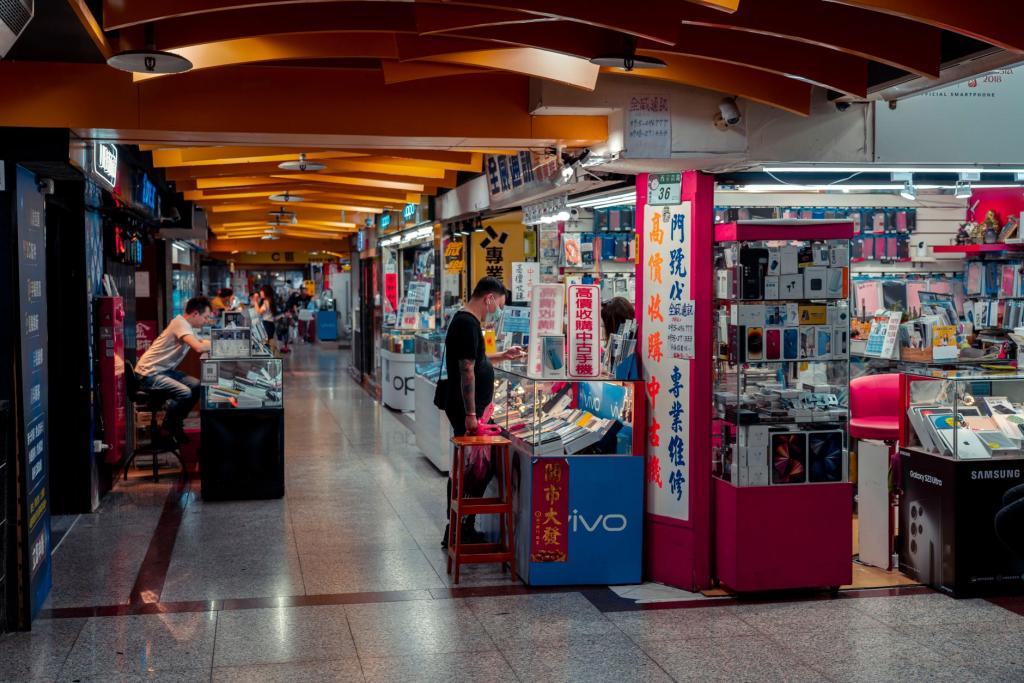
China consumer tech subsidies are doing something most stimulus plans do not: they are paying shoppers to buy specific technologies Beijing wants to win. This year the central government allocated 250 billion yuan, roughly thirty-seven billion dollars, to a consumer trade-in program, and by August the program had supported 1.55 trillion yuan in sales of eligible goods, according to the National Development and Reform Commission. The final installment of funding reached local governments in late September.
The logic looks like ordinary stimulus at first. Households trade in aging phones, appliances, and cars, get a rebate, and keep spending. But the shopping list points to something more targeted: the subsidized categories line up with technologies Chinese factories aim to dominate, from AI-powered glasses to high-efficiency appliances.
The early results are strikingly uneven. Sales of communications equipment at larger retailers jumped 27.3 percent in August from a year earlier, and 16.3 percent over the first eight months of the year. Sales of smart glasses on major shopping platforms surged 120 percent during that period, the Commerce Ministry says, and consumers purchased 108 million digital and smart products through the program. The government is effectively paying people to try gadgets that might otherwise remain novelties, as Mint reports.
How the subsidies reach shoppers
The mechanics of China consumer tech subsidies are simple. Phones, tablets, smartwatches, and smart glasses priced at 6,000 yuan or less qualify for a 15 percent rebate, capped at 500 yuan per item. A pair of AI glasses priced at three thousand yuan, for example, comes with a 450-yuan discount. The program also covers six categories of home appliances, but only models meeting the highest energy or water efficiency standards qualify. That selectivity is intentional.
At a government briefing, Vice Commerce Minister Sheng Qiuping described the strategy as using "new demand to guide new supply, and new supply to create new demand," saying the subsidies were designed to push greener appliances and vehicles. It is the clearest public statement of what China consumer tech subsidies are meant to do. The effect shows in the car market: 5.35 million vehicles were traded in under the program, new-energy passenger cars held more than sixty percent of new-car retail share for five consecutive months, and the program has benefited about 208 million people across all categories.
Beijing is not hiding the favoritism. China consumer tech subsidies deliberately exclude low-efficiency appliances from the rebate list, funneling shoppers toward the hardware its factories want to dominate. The difference between this program and a plain cash handout is written into the eligibility rules: only the greener, smarter products qualify.
The money is also landing offline. Commerce Ministry data shows physical stores carried a large share of the value in home appliances, digital, and smart products, giving brick-and-mortar retail a rare tailwind. Mid-to-high-end phones made up 65 percent of subsidized handset sales, a sign the rebates are pushing buyers upmarket rather than just filling carts. Shoppers in Tianjin, Chongqing, and Sichuan increased consultations and purchases of digital products during the holiday season.
The spending picture underneath
For all the tech buzz around China consumer tech subsidies, the broader consumption data is less flattering. The full-year funding pool is nearly exhausted: the fourth and final tranche of ultra-long special bond money went to local governments in late September, and the entire annual budget is now disbursed. Economists note that subsidies mostly pull purchases forward, so a demand cliff is possible once rebates end, and Dow Jones reporting notes the broader spending picture is getting worse.
There is also a supply-chain read. China consumer tech subsidies are steering demand toward exactly the categories where Chinese manufacturers hold scale advantages: smart wearables, phones, and efficient appliances. A September action plan from eight government departments pushed smart-home consumption further, with goals for stronger supply, better interoperability standards, and elderly-friendly upgrades. Shoppers get new gadgets at a discount; Beijing gets a demand pipeline for the industries it wants to lead.
Whether other governments copy the template is the open question. For now, the program's tilt is clear: public money is flowing to the products Beijing most wants its factories to master, as Barron's reports. With the full-year budget now disbursed, the next decision belongs to Beijing.
Comments 0
No comments yet. Be the first to share your thoughts!
Leave a comment
Share your thoughts. Your email will not be published.