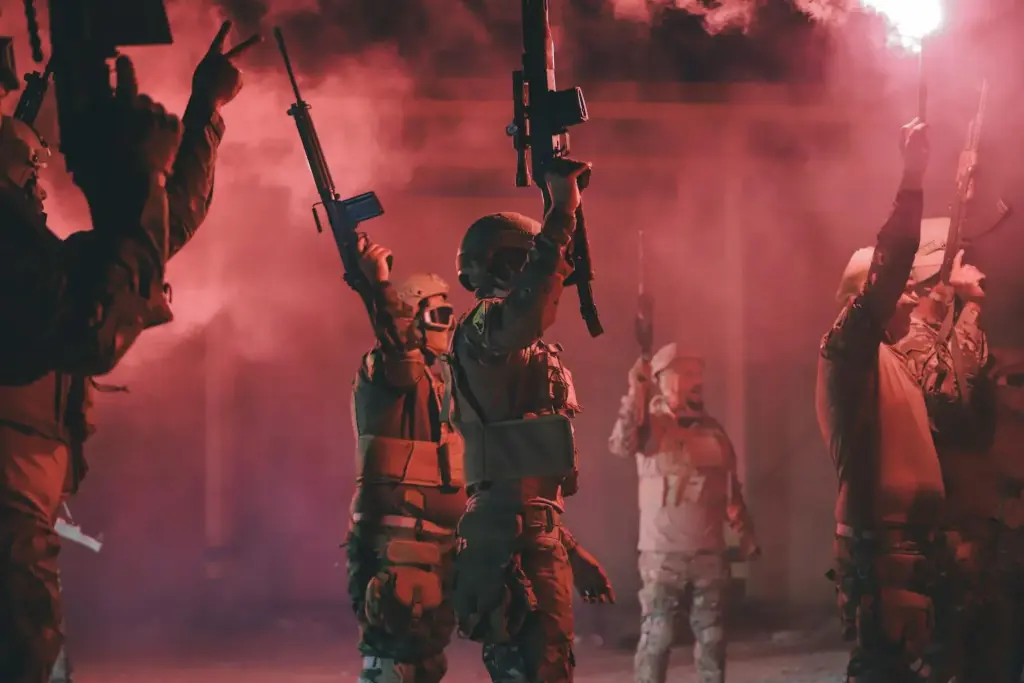
Canada military Gulf states discussions are underway as Canadas top military commander confirms the country is in talks to help defend Gulf states following Irans recent attacks. The revelation marks a significant development in Canadas response to the escalating Middle East crisis and represents a potential major shift in Canadian foreign policy under Prime Minister Mark Carney.
Military Talks Confirmed
Canadas defence chief has confirmed that allies may be called upon to help Gulf states that were bombed by Iran, according to CBC News. The Canada military Gulf states discussions represent a direct response to Iranian missile and drone attacks on strategic infrastructure in the Gulf region. Canada finds itself at a critical juncture as it considers how to respond to requests from allied nations facing Iranian aggression. The talks involve potential deployment of Canadian military assets to provide air defence, naval support, and intelligence sharing capabilities. This would represent one of the most significant Canadian military commitments since the Afghanistan war.
Carney Cant Rule Out Participation
Prime Minister Mark Carney has stated that Canadian military participation in the Middle East war cant be ruled out, according to CTV News, signalling that his government is taking the threat seriously. The Prime Ministers comments represent a significant shift from his earlier emphasis on diplomacy and peaceful resolution of conflicts. Carney faces pressure from allies to contribute to collective defence while managing domestic concerns about Canadian involvement in another Middle East conflict. The Prime Minister must balance Canadas traditional peacekeeping role with its commitments to allied nations in the region.
Canadas Role in Gulf Defence
The potential Canadian contribution to Gulf defence could include several capabilities that are in high demand among allied nations. These may include naval vessels for patrol and escort duties, aircraft for air defence, and military personnel for coordination and intelligence operations. Canadian forces have significant experience in Middle Eastern operations from previous deployments in Iraq and Afghanistan. The government must determine what level of commitment is appropriate given current capabilities and domestic priorities. The Canadian Armed Forces have maintained readiness for such deployments through ongoing training and equipment modernization.
International Context
The Canada military Gulf states involvement comes as the United States and other Western allies increase their military presence in the region. The Strait of Hormuz remains a critical chokepoint for global oil supplies, and any disruption could have worldwide economic consequences. According to Reuters, oil markets have reacted sharply to the rising tensions in the Middle East. Allied nations are working together to coordinate defence of critical infrastructure in the Gulf. Canada is being asked to play a meaningful role in this collective effort alongside the United States, United Kingdom, and other NATO partners.
Historical Context
Canada has a long history of military involvement in Middle Eastern conflicts, from the First World War through to modern operations in Iraq and Afghanistan. The country has contributed thousands of troops to various UN and NATO missions in the region over the past century. However, public support for such deployments has waned in recent years as Canadians have grown weary of endless conflicts in the Middle East. The Carney government must consider this historical context when making decisions about future deployments.
Domestic Implications
Any deployment would require approval from Parliament and would face scrutiny from opposition parties and the Canadian public. Many Canadians remain wary of military involvement in the Middle East after years of costly engagements in Afghanistan and Iraq. The government will need to clearly articulate the rationale for Canadian participation and the objectives of any deployment. Public opinion will likely be divided on the issue, with some supporting allied solidarity and others advocating for restraint.
What Happens Next
Canadas government will continue discussions with allied nations about the specific nature of any military contribution. The situation remains fluid as the conflict in the Middle East continues to evolve. Carney will face questions from Parliament and media about Canadas role in the growing conflict. The decision will have significant implications for Canadian foreign policy and international relationships for years to come. Related: Oil Prices Hit 90 Related: Trump Iran Ultimatum
Comments 0
No comments yet. Be the first to share your thoughts!
Leave a comment
Share your thoughts. Your email will not be published.