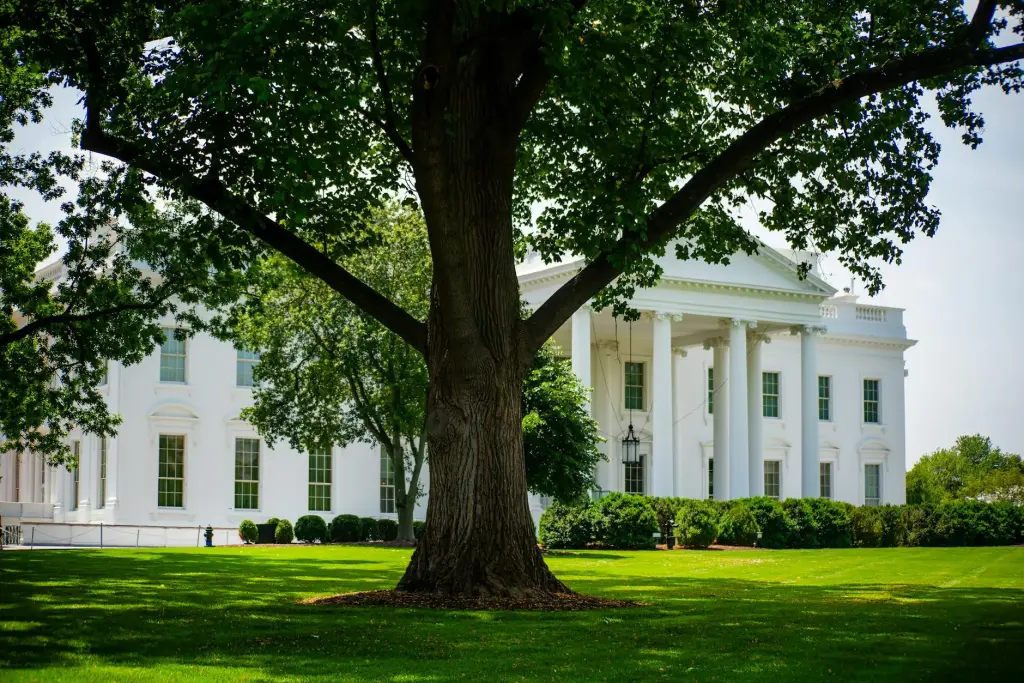
President Trump has issued a stark ultimatum to Iran, declaring that there will be no diplomatic resolution to the ongoing conflict except for what he termed as unconditional surrender. The dramatic statement, which sent shockwaves through international diplomatic circles, makes it clear that the Trump Iran unconditional surrender position is the only acceptable outcome for the United States. The President made the declaration during a press conference at the White House, stating clearly that the United States would not entertain any negotiations with the Iranian government until they agree to complete surrender. According to Financial Times, Trump emphasized that his administration was prepared to take whatever measures necessary to protect American interests and allies in the region. This Trump Iran unconditional surrender stance marks a significant shift from earlier calls for de-escalation and represents a complete hardening of the US position.
Military Operations Intensify
While diplomatic channels appear to have closed, military operations in the region have intensified significantly. A US submarine strike in the Indian Ocean has raised risks for Asia, according to Bloomberg, as American forces demonstrate their commitment to containing Iranian influence. The submarine strike represents one of the most significant military actions taken by the US since the conflict began. Israel has also launched new strikes into Lebanon and Beirut, apparently seizing the opportunity to intensify pressure on Hezbollah while Iran is distracted by the broader conflict. The coordinated military approach suggests a unified strategy among US allies in the region.
Russia Enters the Conflict
Russia has escalated its involvement by providing intelligence to Iran to target US forces, as reported by The Washington Post. This development adds another layer of complexity to an already volatile situation and raises concerns about the potential for even wider regional involvement. The intelligence sharing between Russia and Iran represents a significant escalation in the conflict dynamics. Russia has historically been an ally of Iran, but this direct intelligence cooperation marks a new phase in the conflict and raises the stakes considerably.
Israel Seizes the Moment
As Iran finds itself embroiled in conflict with the United States, Israel has moved aggressively against Hezbollah in Lebanon. According to CNN, Israel is using the distraction of the US-Iran conflict to press its advantage against the Iran-backed militant group. Israeli forces have launched strikes into Beirut, killing more than 100 Lebanese according to Al Jazeera, as Israel commands residents to flee. This parallel escalation threatens to turn a two-front war into a multi-dimensional regional conflict.
International Response
World leaders have expressed varying degrees of concern about the escalating situation. UK Prime Minister Starmer has indicated that the best way forward for Iran would be a negotiated settlement, according to The Guardian, though the Trump administration has shown little interest in diplomatic solutions at this point. The divide between US and UK approaches highlights the challenges of maintaining allied unity in the face of such a hardline stance. Other NATO members have similarly urged caution.
Impact on Global Markets
The escalating conflict has sent shockwaves through global financial markets. Oil prices have surged past 90 dollars per barrel as investors worry about supply disruptions from the Middle East. Stock markets around the world have experienced significant volatility as traders assess the potential economic impact of a prolonged conflict. The prospect of the Trump Iran unconditional surrender stance leading to an extended military campaign has prompted investors to seek safe-haven assets. Central banks are closely monitoring the situation for its potential impact on inflation.
What Happens Next
Analysts are struggling to predict how this ultimatum will play out. Iran has historically resisted foreign pressure, and the Trump Iran unconditional surrender demand is likely to be rejected outright by Tehran. Some experts worry that the hardline stance could prolong the conflict and increase the risk of broader regional involvement. The situation remains fluid, with both military and diplomatic options potentially on the table. Related: How the US-Iran Crisis Hits Your Wallet Related: Oil Prices Hit 90
Comments 0
No comments yet. Be the first to share your thoughts!
Leave a comment
Share your thoughts. Your email will not be published.