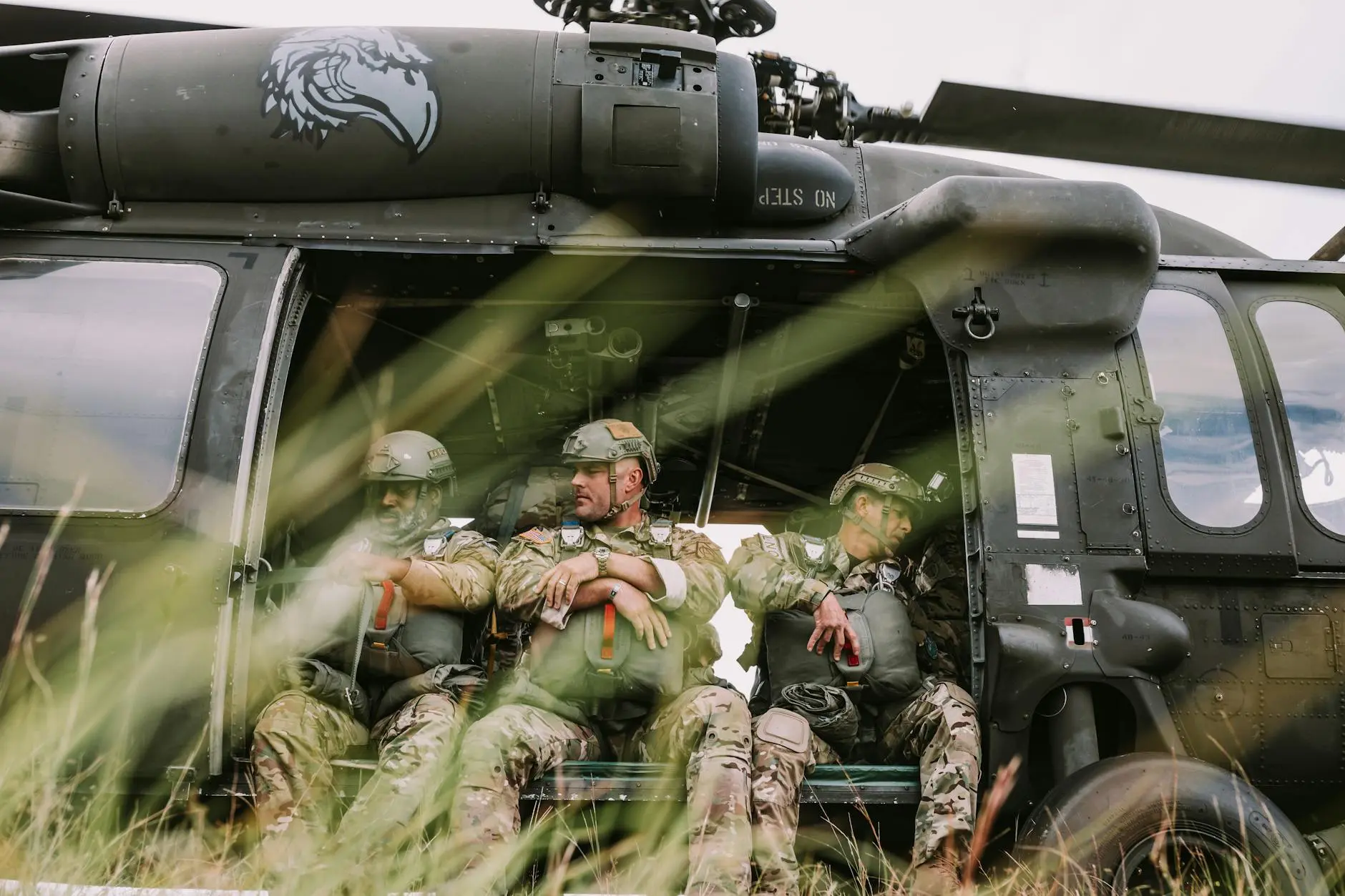
Canadas military is in talks to defend Gulf states as the Middle East conflict continues to escalate. The Canada military Gulf states discussions represent a significant shift in Canadian foreign policy under Prime Minister Mark Carney, as the country considers playing a more active role in the volatile region. The potential deployment marks a major policy shift for the Liberal government and could define Carneys tenure as Prime Minister.
What Canada is Considering
According to CP24, Canada is in talks to defend Gulf states amid the escalating Middle East crisis. The discussions involve potential military deployment to the region to assist allied nations facing threats from Iran and its proxies. This marks a significant departure from Carneys earlier statements about pursuing a middle power doctrine. The Gulf region has become increasingly strategic as tensions between Iran and Western allies continue to rise. The Canada military Gulf states talks reflect growing concerns about Iranian aggression in the region and beyond the Middle East.
Carneys Middle Power Doctrine Faces First Test
The situation represents the first major test of Prime Minister Mark Carneys middle power doctrine. According to CTV News, Carneys approach to international relations is being put to the test as Canada considers its response to the Middle East crisis. The doctrine emphasizes Canada playing a balanced role in international affairs while maintaining strong alliances with Western partners. This deployment would demonstrate Canadas commitment to its allies while also asserting its independence. The Prime Minister must navigate between supporting allies and avoiding direct conflict with Iran.
Iran Conflict Puts Pressure on Allies
The escalating Iran-Israel conflict has put pressure on Western allies to take sides and contribute to regional security. Canada finds itself in a difficult position as it seeks to maintain its traditional role as a peacekeeper while also honoring its commitments to allies. The conflict has created unexpected challenges for the new Prime Minister who had campaigned on a platform of diplomatic engagement. The situation requires quick decisions that could have long-term implications for Canadian foreign policy. The Canada military Gulf states involvement could affect relations with other nations in the region.
Canadas Historical Role in the Middle East
Canada has historically played a peacekeeping role in the Middle East, participating in various UN missions in the region over the decades. The current situation differs from traditional peacekeeping as it involves potential combat deployment to defend allied nations. Canadian forces have experience in the region from previous operations in Afghanistan and Iraq. The government must weigh the risks to Canadian personnel against the strategic benefits of participating in Gulf defense. Many veterans remember the complex missions in Iraq and Afghanistan.
Public Opinion and Parliamentary Debate
Any deployment would likely face scrutiny in Parliament and from Canadian voters. Public opinion polls show mixed feelings about military involvement in the Middle East. Some Canadians support helping allies while others remember the costs of previous deployments in terms of lives and money. The government will need to build consensus before committing forces to the region. This could be a defining moment for the Carney administration and for Canadian foreign policy.
Strategic Implications
The Canada military Gulf states deployment would have significant strategic implications for Canadian foreign policy. A decision to send troops would strengthen ties with Gulf allies but could also increase tensions with Iran. Canada must consider its relationship with the United States and NATO allies who are also increasing their military presence in the region. The deployment would require significant resources and could stretch Canadian military capabilities thin.
What Happens Next
Carney will need to make a decision about military deployment that balances domestic opinion with international obligations. Many Canadians may be hesitant about entering another Middle East conflict after years of involvement in Afghanistan and Iraq. The Prime Minister must also consider the implications for Canadian citizens in the region and the potential for retaliatory attacks. Related: How the US-Iran Crisis Hits Your Wallet Related: Oil Prices Hit 90
Comments 0
No comments yet. Be the first to share your thoughts!
Leave a comment
Share your thoughts. Your email will not be published.