Brazil's two presidential rivals met face to face for the first time on Sunday evening, when President Luiz Inácio Lula da Silva and Senator Flávio Bolsonaro took the stage for a televised debate on broadcaster Band in São Paulo, one week before the October 25 Brazil runoff. The debate began at 8 p.m. local time, and the two men spent the night trading personal attacks and corruption accusations, with crime policy and family networks at the center of the exchange.
Flávio Bolsonaro used the debate to stake out hardline security ground, pledging to "declare war on narcoterrorism" from January if elected and to seek legal labels for the PCC, the Comando Vermelho and armed militias as narcoterrorist groups, a move that would justify tougher policing. Lula accused his rival of courting the shock economic model of Argentina's Javier Milei and taunted him with the "motosierra" line, according to a summary of the broadcast, while defending his son Lulinha's cooperation with investigators. The exchange grew tense on questions of prisoner voting, film financing and property purchases tied to Bolsonaro's circle, and Lula's side kept returning to the fact that former president Jair Bolsonaro is in prison.
Rallies packed the streets before the showdown
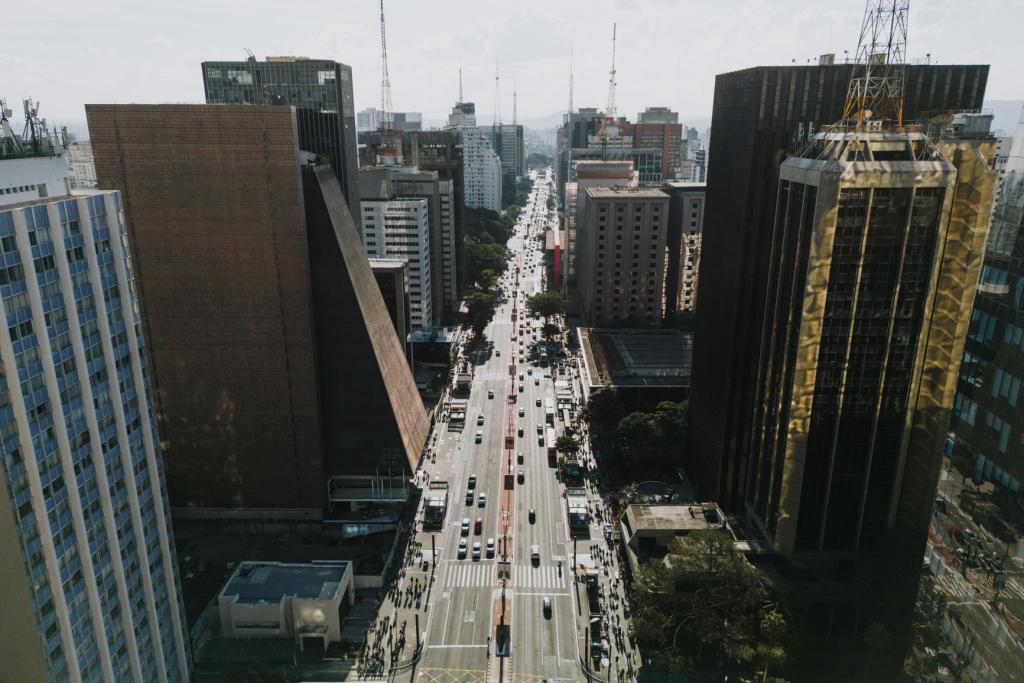
Hours before the debate, both camps filled the streets. Pro-Bolsonaro crowds wearing Brazil's national colors of yellow, green and blue packed Avenida Paulista in São Paulo's financial center, and Flávio Bolsonaro appeared on a float before addressing the supporters. He told the crowd that seven days remained to "free Brazil" from Lula's Workers' Party, adding that they would see Jair Messias Bolsonaro "placing the presidential sash on his son." Lula's supporters, dressed in the red of the Workers' Party, filled the plaza of government buildings in Brasília, while students backing the president marched against Bolsonaro in Rio de Janeiro. Reuters photographers captured the dueling demonstrations hours before airtime.
The race remains tight. Flávio Bolsonaro finished nearly two percentage points ahead of Lula in the first round on October 4, but polls since have shown the contest narrowing into a near tie. Both campaigns are chasing the roughly 33 million voters who stayed home in the first round, about one in five eligible voters, a pool large enough to decide the outcome either way. The absentee bloc is now the most courted segment of the Brazilian electorate, with both sides tailoring messages to lure first-round no-shows back to the polls.
A first meeting after the round-one debate was scrapped
Sunday's encounter was the first time the two candidates debated at all. The last scheduled debate of the first round was canceled at the last minute when both Lula and Bolsonaro pulled out. Televised debates were once a fixture of Brazilian democracy after the end of the country's 21-year military dictatorship in 1985, but in recent elections leading candidates have increasingly chosen to stay away, according to Reuters.
Flávio Bolsonaro, 45, is the son of former president Jair Bolsonaro, who is serving a 27-year prison sentence for plotting a coup after losing his reelection bid to Lula in 2022. The younger Bolsonaro has described his father's trial as a "farce" and has promised to seek amnesty for him if he wins the presidency, a pledge that has become a central fault line of the campaign. Whether voters reward or punish that promise will be one of the clearest signals in the runoff result.
The campaign's final days have also been roiled by a dispute over social media. Lula's coalition said his Instagram account and posts were restricted, and the newspaper Folha de S.Paulo reported internal Meta messages that acknowledged those restrictions and said the platform had recommended Bolsonaro's profile and WhatsApp channel to users, injecting new tension into the race. Elsewhere this weekend, Guam declared an emergency as Typhoon Champi passed the island, and Egypt's president set 2030 as the end of his presidency.
In the closing days, both sides are treating every public moment as a chance to sway the undecided, and the fight for the absentee voters who sat out October 4 could decide the presidency. Voters return to the polls next Sunday.
Comments 0
No comments yet. Be the first to share your thoughts!
Leave a comment
Share your thoughts. Your email will not be published.