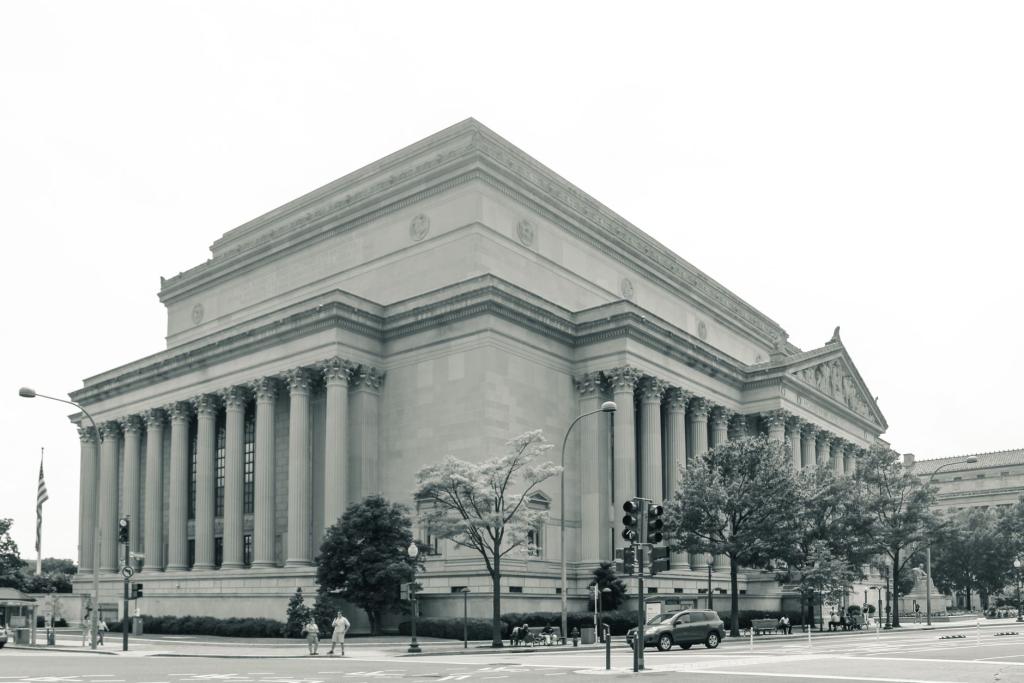
On Monday, the most consequential climate accountability case of the decade walks into the U.S. Supreme Court. ExxonMobil and Suncor Energy want the justices to kill the Boulder climate lawsuit — the 2018 case filed by Boulder, Colorado, accusing the oil giants of driving climate change and misleading the public about fossil-fuel risks for decades. If the companies win, it wouldn't just end Boulder's case. It could slam the courthouse door on nearly 60 state and local governments seeking billions of dollars for climate damage. Oral arguments begin Oct. 5, the opening day of the Court's new term, and the stakes are about as high as climate litigation gets.
Here's the backstory. In 2018, the city and county of Boulder sued ExxonMobil and Suncor, arguing the companies knew about the climate risks of their products, hid what they knew, and should help pay for the damage — flooded infrastructure, emergency management costs, public-health spending. The companies have spent years trying to get the case thrown out or moved to federal court, where they'd rather fight. Colorado's Supreme Court rejected their dismissal arguments last year, so the appeal landed at the highest court in the country. Now the justices will decide whether the Boulder climate lawsuit — and cases like it — can proceed at all.
Why 60 cities are watching
This is not just Boulder's fight, and the Boulder climate lawsuit is the lead domino. Nearly 60 state and local governments have filed similar lawsuits seeking billions in damages — money for infrastructure repairs, emergency response, cooling centers, and public-health costs as climate disasters intensify. If the Supreme Court sides with Exxon and Suncor, many of those cases could collapse. If the Boulder climate lawsuit succeeds, the floodgates open: cities and counties across America would have a clear path to bill fossil-fuel companies for climate costs instead of passing them to taxpayers.
As attorney Deepak Gupta put it in a Georgetown Law preview of the case: 'The stakes are enormous here. There are billions of damages that are sought... maybe the most consequential thing we could be litigating.' Boulder mayor Aaron Brockett told reporters, 'The Supreme Court should affirm Colorado's right to hold these companies accountable.' The Trump administration has weighed in on the oil companies' side, adding a political charge to an already explosive docket — a climate-skeptic White House fighting to shield the industry from the cities paying for climate damage.
The recusal that tells its own story
Then there's the subplot. Justice Samuel Alito has recused himself from the case after scrutiny over his holdings of oil and gas stocks — not shares in Exxon or Suncor specifically, but enough energy-industry exposure to raise conflict questions. He had previously recused from the same case back in 2023. According to Reuters' reporting on the recusal and the AP's coverage, the move leaves eight justices to decide a case that could reshape climate accountability nationwide — and it handed critics a ready-made symbol of how entangled the fossil-fuel industry is with the institutions judging it.
About 20 amicus briefs have been filed, a sign of how many interests see themselves in the outcome: other cities, states, industry groups, and advocacy organizations all want the Court to hear their view. The central legal question is technical — which courtroom these cases belong in — but the practical question is simple: when a city's roads flood and its air fills with wildfire smoke, who pays? The Boulder climate lawsuit argues the companies that profited while downplaying the risks should. As Reuters detailed this week, the industry's answer is to ask the Supreme Court to end the argument entirely.
For Gen Z, this is the 'make Big Oil pay' fight at the highest level — and the bill, one way or another, lands on your generation. Either the companies cover the billions in flood repairs and cooling centers, or taxpayers do, through higher taxes and crumbling infrastructure, for decades. Oral arguments in the Boulder climate lawsuit start Monday, Oct. 5 — days after Hurricane Polo slammed into Baja California, a reminder of the disasters at the heart of the case. The decision will come months later, but the arguments will show exactly where each justice stands on whether climate accountability lives or dies. The case also lands as the White House juggles courtroom fights and a $60B tariff deal with China — energy, trade, and the courts colliding in a single news cycle.
Comments 0
No comments yet. Be the first to share your thoughts!
Leave a comment
Share your thoughts. Your email will not be published.