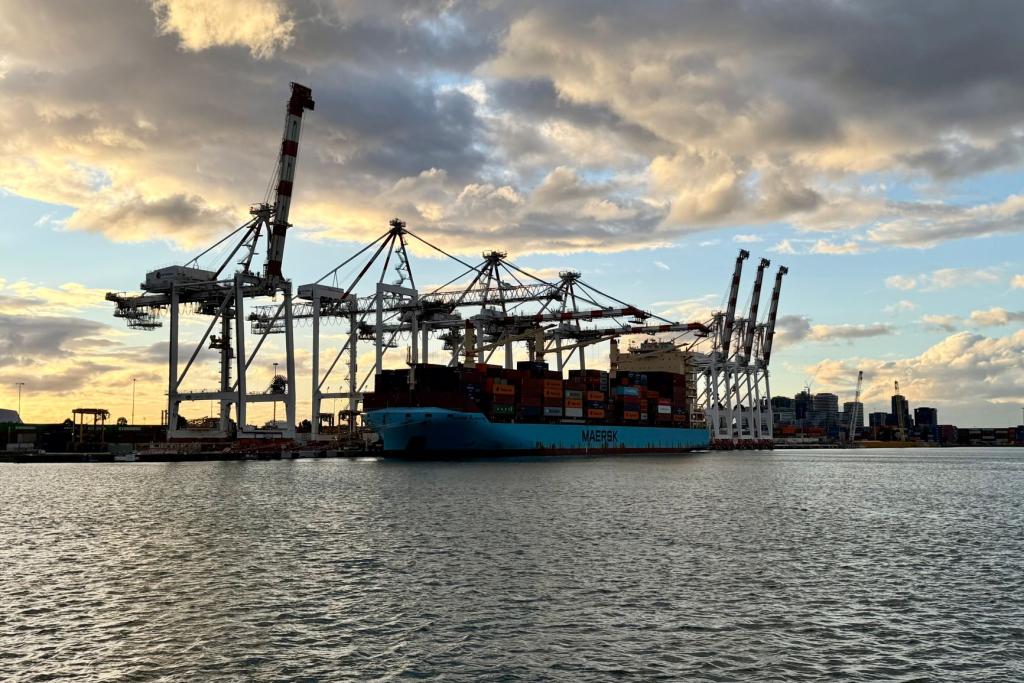
If your budget has been getting squeezed by rising prices on everything from groceries to gadgets, here's a plot twist worth knowing about: the US China tariff deal announced this week could make some of the stuff you actually buy a little cheaper. The United States and China have agreed to cut tariffs on roughly $60 billion worth of goods traded between the two countries, with each side picking about $30 billion of products for friendlier tariff treatment.
According to Reuters, the US China tariff deal's reciprocal tariff cuts, plus a two-month extension of the existing trade truce through January 10, were the key takeaways from last week's summit in Washington between US President Donald Trump and Chinese President Xi Jinping, their second meeting this year. US Trade Representative Jamieson Greer said the arrangement, negotiated under a new US-China Board of Trade, would unlock improved market access for about 30 percent of US exports to China. More than 90 percent of the covered products would drop back to normal most-favored-nation tariff rates, according to China's commerce ministry.
What's actually getting cheaper in the US China tariff deal
The lists read like a cross-section of everyday life. On the American side, the US is cutting tariffs on Chinese consumer goods including coffee makers, toasters, tableware, blankets, bed linens, toys, fireworks, artificial flowers, Christmas tree lights and other holiday decorations, and children's car seats. In total, the US China tariff deal names 77 Chinese goods and more than 1,600 American products for more favorable treatment.
For Gen Z, the timing couldn't be more relevant. Holiday shopping season is around the corner, and lower import costs on toys, decorations, and small appliances could take some pressure off prices at the checkout, the kind of pressure anyone furnishing a first apartment or buying gifts on a starter salary knows well. If you're running a side hustle reselling goods online, dropshipping, or sourcing products through platforms that lean on Chinese manufacturing, cheaper import costs from the US China tariff deal could fatten your margins too. The tariff reductions still have to work their way through each country's legal procedures before they take effect, so don't expect overnight price drops, but the direction is encouraging.
On the flip side of the US China tariff deal, China is trimming duties on a wide range of US farm goods: corn, wheat, sorghum, meat, dairy, vegetable oils and meals (including soyoil and soymeal), plus fish and seafood, logs and wood products, cosmetics, and medical devices. Greer said the arrangement amounts to improved market access for roughly $17 billion in American agricultural exports, a win for US farmers and the rural economies tied to them.
Why soybeans got left out of the US China tariff deal
Here's the twist in the story: soybeans, historically America's single biggest agricultural export to China, are conspicuously absent from China's tariff-cut list. US soybeans will keep facing an additional 10 percent Chinese tariff, which traders warn is too steep for private Chinese crushers to absorb.
So why exclude the biggest prize? Analysts say soybeans have become political leverage. "Despite the soybean being a non-sensitive item in trade, the political significance of China's soybean purchase is enormous and carries major political implications," Feng Chucheng, founder of Hutong Research, told Reuters, adding that keeping soybeans on a separate track gives Beijing leverage ahead of the US midterm elections.
China isn't walking away from US soybeans entirely, though. Beijing has made a separate commitment to buy 25 million metric tons of American soybeans a year through 2028, and state-run buyers Sinograin and COFCO have already purchased more than 12 million metric tons, nearly half the annual target. If you invest or trade commodities, soy is the crop to watch: any movement on that separate deal could swing futures fast.
What this means for your money
Let's be real: a tariff deal won't fix your rent. But trade policy shapes the prices you pay every day, and this one is aimed squarely at consumer goods. Lower tariffs on Chinese-made appliances, tableware, and holiday items mean less cost pressure trickling down to retailers, and eventually to you. For anyone who invests, even casually through a brokerage app, the deal is a signal that the two biggest economies are choosing negotiation over escalation, which tends to calm markets. And if you're job hunting, steadier trade means steadier demand for logistics, retail, and manufacturing jobs tied to imports.
The bigger picture is that this is a limited deal, not a grand bargain. Oil, gas, and the most sensitive tech remain untouched, and the tariff cuts haven't taken effect yet. But after years of a grinding trade war, the US China tariff deal is a reminder that even the world's tensest economic rivalry can cool down, and when it does, your wallet feels it first. Keep an eye on whether the US China tariff deal actually moves prices this holiday season, because that's when the promises meet the receipts.
Comments 0
No comments yet. Be the first to share your thoughts!
Leave a comment
Share your thoughts. Your email will not be published.