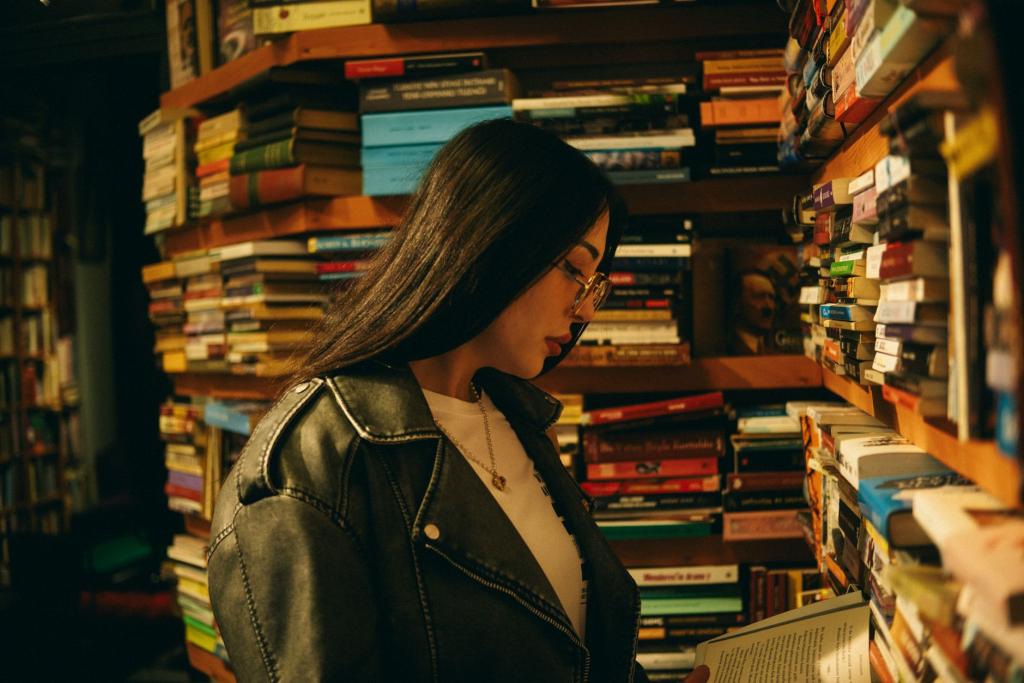
BookTok has done what a decade of publishing conferences could not: it has made the printed book feel like the future again. The TikTok reading community has gathered roughly three hundred seventy billion views, and in March 2026 the platform announced an official bestseller list for the United Kingdom, built on NielsenIQ sales data and backed by stickers appearing on bookshop shelves. The phone screen has become the front door of the bookshop, and the thing people keep walking out with is paper.
That loop, from a sixty-second video to a physical purchase, is now one of the most powerful forces in the book trade. A single viral recommendation can send a five-year-old midlist novel to the top of the bestseller charts, and publishers have started designing covers and spines for how they look under a ring light. The industry spent years asking how to reach young readers. The answer turned out to be other young readers, filming their bookshelves.
The sales figures are hard to argue with
A report prepared by the consultancy Public First for TikTok, published in mid-July 2026, estimated the platform drove one hundred seventy-five million pounds of extra spending on books in the United Kingdom last year. It also found that twenty-three percent of eighteen to twenty-four year olds on TikTok had bought a book after seeing it recommended on TikTok, according to trade coverage of the report. That is the platform's own research, so it deserves a raised eyebrow, but the direction of travel is unmistakable.
Across the Atlantic, the hashtag has been credited with driving around fifty-nine million print sales in the United States, worth roughly seven hundred sixty million dollars in revenue, according to industry reporting. The industry's own trade body reported in June 2026 that British publishing income hit a record of more than seven billion pounds for the previous year, with consumer print books earning just over two billion pounds, a rise of two percent, and still making up close to four-fifths of consumer revenue.
The detail underneath is more mixed, which makes the hashtag's effect more interesting rather than less. NielsenIQ BookScan figures published in January 2026 showed British spending on print books slipped by half a percent in 2025 while the number of copies bought fell two and a half percent, though adult fiction moved the other way, up five percent in value. Readers are buying slightly fewer books and paying slightly more per copy, which is exactly the market where a recommendation engine for books people genuinely love does its best work.
The high street is feeling it too. The booksellers' body counted one thousand eighty-six independent bookshops across the United Kingdom and Ireland in June 2026, the highest total since 2012 and up from one thousand twenty-five a year earlier. The low point was eight hundred sixty-seven shops in 2016. Indie shops are where a viral hit becomes a physical object in someone's hands, and the shelves are filling up again.
Why young readers keep choosing paper
The stereotype says young people will not read anything longer than a caption. The literacy charity's 2026 survey, published in June, found that just over thirty-six percent of eight to eighteen year olds in Britain enjoyed reading in their free time, up from just under thirty-three percent the year before, the first increase since 2021. Paper still carries most of that reading: just under half of young readers read fiction in print, and the keenest readers lean hardest toward physical copies.
Part of the appeal is the object itself. The BBC reported in September 2026 that young customers were buying copies of books they had already read on a screen, in the words of one Lincolnshire bookseller, to have them on their shelves, kind of like a trophy book. Hardcovers with sprayed edges and foil stamping have turned the book into something worth keeping, gifting and photographing, which feeds the same loop that sold it in the first place.
Romantasy shows how the discovery machine works at full speed. Print sales in the genre passed thirty-two million copies in 2024, up forty-seven percent on the year before. NielsenIQ found that about fifteen percent of romantasy purchases were discovered through video-sharing sites that year, up from ten percent in 2023 and five percent in 2021. More than eleven million British book sales in 2025 were attributed to BookTok, worth eighty-six million pounds, TikTok reported. The journey is simple: online discovery, social recommendation, physical purchase, bookshelf, and then another video about the bookshelf.
This is part of a wider analog revival pulling young people back toward physical media, from film cameras to vinyl. And the competition for attention is real: podcasts are fighting books for the same hours of the day, with video podcasts now rivaling audio. The printed book is winning its share anyway, which is the surprise.
The revival has limits, and they matter
None of this means reading itself is booming. American print unit sales fell about three percent in the first quarter of 2026, and the share of Americans who read for pleasure on a given day has fallen from twenty-eight percent in 2004 to sixteen percent in 2023. A YouGov survey found that forty percent of Americans read no books at all in 2025, even as Pew Research Center found three-quarters of adults had read at least part of a book in the previous year. BookTok is concentrating enthusiasm among people who already read, not necessarily creating new readers from scratch.
Audiobooks, meanwhile, are growing beside print rather than replacing it. American audiobook sales reached about two point four billion dollars last year, and British digital audio sales rose ten percent to two hundred fifty-five million pounds, roughly a tenth of consumer publishing. Listening has claimed the moments where reading was impossible, the commute and the gym, while print keeps the moments people choose deliberately. The formats are dividing the day between them.
The industry is also bracing for the stranger side effects of an algorithm-driven book culture. In March 2026 the authors' body launched a Human Authored mark that writers can print on their covers to show a person wrote the book, after eighty-two percent of its members said they wanted one. When discovery is driven by engagement, the question of who actually wrote the thing starts to matter more, not less.
For readers, the practical upshot is that the official bestseller list gives the noise of the feed a front door: a monthly ranking combining platform engagement with retail sales, with shelf stickers to match. The education department launched a National Year of Reading in January 2026 after reading enjoyment among young people sank to its lowest level since 2005, so the timing could hardly be better. Whether BookTok becomes a lasting reading habit or just a very effective bookshop window, it has already done something remarkable. It made the physical book the most shareable object in the room.
Comments 0
No comments yet. Be the first to share your thoughts!
Leave a comment
Share your thoughts. Your email will not be published.