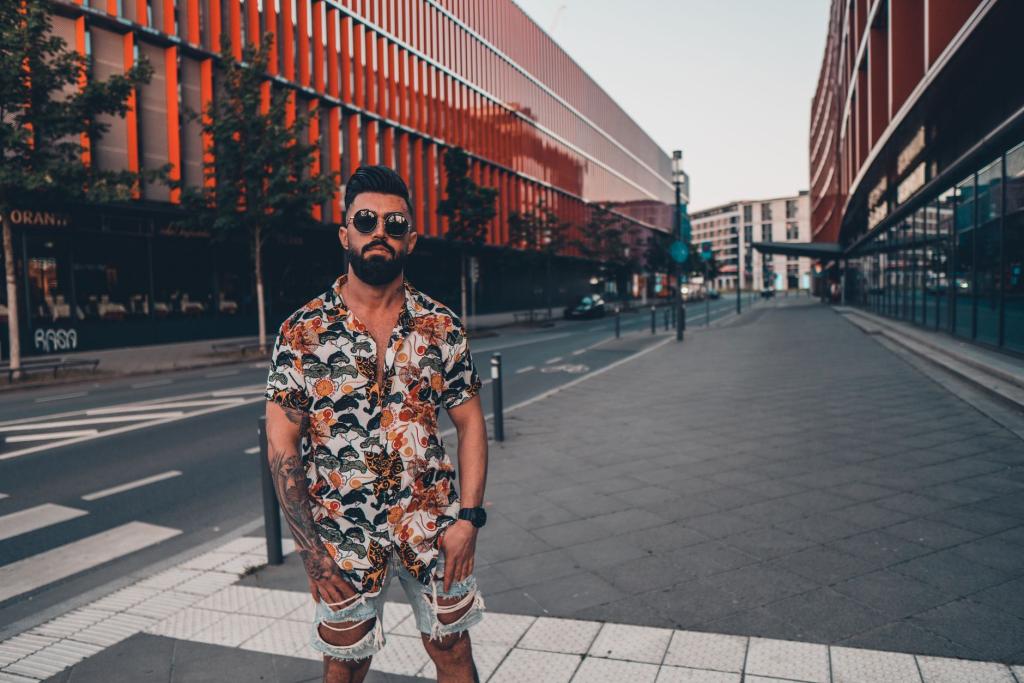
Walk through any downtown on a Saturday and you'll spot the new uniform: blokecore jerseys — oversized football kits worn over baggy jeans, paired with retro sneakers, and not a match in sight. What started on British terraces in the early 2020s has become a global Gen Z staple, and this summer's World Cup, co-hosted across the United States, Canada and Mexico, poured fuel on it. Search demand for kits surged through September, collaborations sold out in Korea, and vintage shirts started trading like collectibles. Here's how blokecore jerseys became streetwear's default setting.
From British terraces to TikTok's front page
The look's roots run deeper than this summer's tournament. Blokecore grew out of 2022-era terrace culture in Britain, where football shirts were worn off the pitch as everyday dress — a style that migrated to TikTok and largely stayed. As Andreia Meneguete, who coordinates a fashion and digital-marketing course at ESPM-SP, told News Room USA, the look "was never created to be a fashion trend" — it was, she said, "a way for culture to be inserted into the individual's daily life." That same report notes Google Trends interest in blokecore jerseys has been climbing since 2022, peaked in July 2025, and rose again during the 2026 World Cup. The calendar gave jerseys a boost, but the movement was already mid-arc.
The numbers behind the blokecore jerseys takeover
The search data tells the story. According to a September 2026 clothing-trends report from Rising Trends, queries for "Spain jersey" hit 368,000 monthly searches, up 2,941 percent over three months. Searches for "USA soccer jersey" reached that same monthly count, growing thirteenfold on the year.
The pattern held across the tournament's host nations and beyond. "Adidas Mexico jersey" drew 301,000 monthly searches — a twentyfold jump — while the generic term "soccer jerseys" pulled 201,000, nearly four-fifths up year on year and almost triple over three months. Even "world cup merch" climbed to 22,200 monthly searches from essentially a standing start.
Korea became a second front. In July, W Concept unveiled a seven-piece collaboration between sportswear label Minassou and the SSG Landers; some items sold out within a day of release, and offline stock at Incheon SSG Landers Field was depleted, the company telling reporters it plans to keep expanding its sports-fashion collaborations, according to the Seoul Economic Daily. The paper also reported that Korean retailer Musinsa saw blokecore searches rise 40 percent versus three months earlier — and short-sleeve variants of the search term nearly doubled in the same stretch.
Social platforms kept the engine running. The blokecore hashtag has passed 62,000 TikTok videos and 186,000 Instagram posts, per the News Room USA report, and OB News reports the trend exploded after creators began styling football-inspired outfits for feeds rather than stadiums.
How to wear blokecore jerseys
The formula for blokecore jerseys is deliberately low-effort. TikTok's styling playbook pairs an oversized or vintage kit with baggy jeans, jorts or cargo pants — or a mini skirt — finished with Adidas Sambas or another retro sneaker, according to OB News. The jersey does the talking; everything else stays relaxed. Notably, much of the Gen Z audience wearing these kits doesn't follow football closely — the shirt reads as a graphic, not an allegiance.
For those hunting credibility, vintage blokecore jerseys are the grail. Original tournament shirts and classic club strips have become collectible, trading hands in resale markets with the same reverence sneakerheads give rare colorways. The silhouette also slots straight into sneaker culture: kits look natural next to hyped drops, from retro runners to the J Balvin Jordan 4 Amazonas release. Fit advice stays simple — size up, keep the bottoms loose, let the badge show.
A tournament fad — or something stickier?
Critics argue the surge is just calendar hype that fades once the final whistle blows, the way tournament fever usually cools. They point out that every World Cup summer lifts kit sales, and this one is no exception. But blokecore's backers note the timeline: the aesthetic's Google interest peaked a full year before the tournament, and it survived the gap between that peak and kickoff. Tournament cycles amplify it; they don't create it.
The resale market backs the stickier read. When vintage shirts hold value after the trophy is lifted — and when retailers keep expanding sports-fashion collaborations even off-cycle — the signal is demand for the aesthetic itself, not the event. Blokecore jerseys started on terraces, grew on TikTok, and got a World Cup-sized boost this summer. The tournament ends. The uniform stays.
Comments 0
No comments yet. Be the first to share your thoughts!
Leave a comment
Share your thoughts. Your email will not be published.