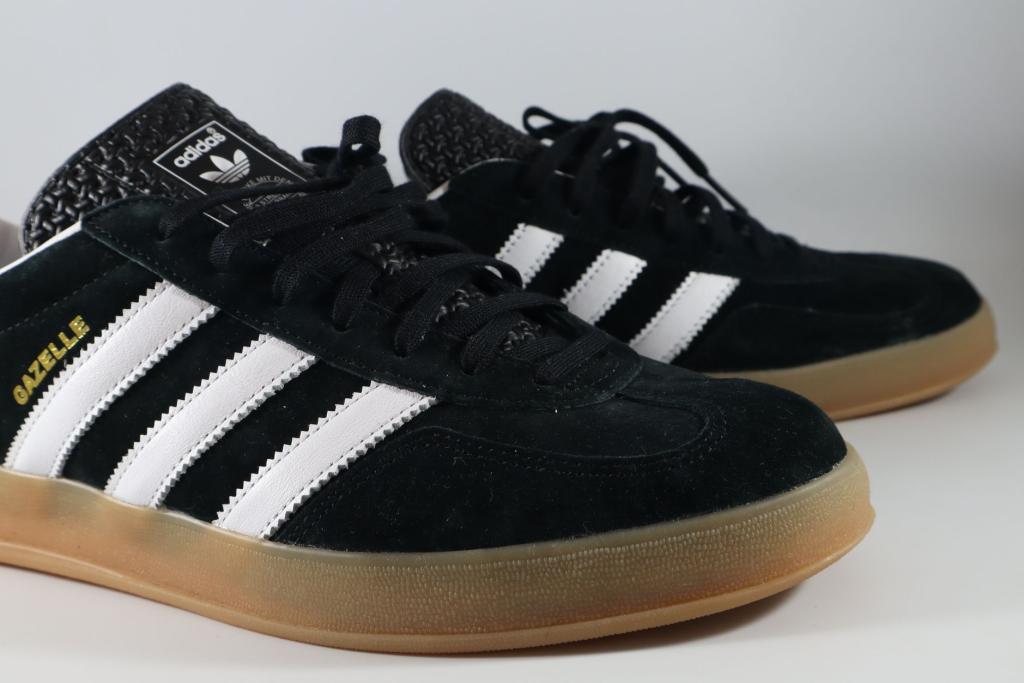
Sneaker Resale Cools as waiting beats release-day buying this autumn, and the latest October tracking shows patience paying off for shoppers who resist the first-day rush. A price tracker followed six prominent October releases from their first listings through late October and found that four of them fell by roughly a third, while the other two barely moved at all, according to the tracker's October release study. For buyers who once assumed that missing a drop meant paying a premium forever, the message is shifting: in many cases, the best price arrives after the hype fades.
The pattern matters because resale culture has long rewarded speed above all else. Fans set alarms, joined raffles and refreshed apps at launch time, fearing that a missed pair would only get dearer. This month's evidence points the other way for ordinary releases. Early asking prices, set when supply is tightest and excitement is highest, have repeatedly softened once pairs reach more buyers and the initial scramble passes. Shoppers who waited a few days, or even a few weeks, often found the same shoes for far less than the first listings suggested.
What the October numbers show
Among the six releases studied, the steepest fall belonged to a retro high-top whose earliest asking price sat near three hundred dollars before sliding to under one hundred eighty dollars in the days before launch, according to the same tracking. A running shoe from a German sportswear label and a seasonal basketball shoe both eased down by a similar share, while a Halloween-themed court shoe dropped sharply ahead of its own release date. By contrast, a musician collaboration held essentially flat from its first listing, and a performance basketball shoe built for a young star also stayed put, showing that scarcity and star power can still defend a price.
The broader market tells a similar story of cooling. A resale statistics project that draws on completed sales from two major marketplaces has recorded more than twenty-five million transactions since autumn two years ago, worth more than four billion dollars at sale prices, according to its published tally. In September, two American sportswear giants together accounted for nearly three in five footwear resales, yet most of the market's volume now sits in ordinary pairs rather than trophy releases. The project's most-traded retro high-top changed hands at a median of about one hundred thirty dollars over the past three months, a long way from the four-figure sums that once defined sneaker headlines.
A separate check of the four hundred most-listed pairs found that three hundred one of them cost less than retail in at least one common size in late October, with the typical discounted pair sitting a median of about thirty-six percent below its shop price, according to that check. That finding reframes the resale market as a discount channel as much as a premium one. For every grail that doubles in value, dozens of solid, wearable pairs quietly trade below what stores charged on day one.
Why patience is winning
Several forces are pushing prices down after release. Brands have increased production on many popular styles, so fewer pairs are genuinely scarce. Buyers, squeezed by higher living costs, are pickier about paying premiums for shoes they plan to wear every day. And marketplaces now surface the cheapest listing in each size instantly, which makes overpriced listings visible and hard to defend. Together, those pressures mean that the first asking price is often a wish, not a market.
There is a counterpoint, and it matters for collectors. Genuinely scarce collaborations, single-market exclusives and story-driven designs still hold or climb, because their supply cannot catch up with demand. Sneaker Resale Cools does not mean every pair gets cheaper; it means the market has grown selective, rewarding rarity while discounting abundance. A limited hand-finished collaboration, for example, can still command a premium long after release, as GenZ NewZ covered in its look at a beaded sneaker collaboration. The skill now lies in telling the two categories apart before money changes hands.
For everyday buyers, the practical advice is straightforward. First, decide whether you want the shoe to wear or to resell, because the two goals point to opposite strategies. If you plan to wear it, wait a few days after release, compare the cheapest listing in your exact size rather than the headline price, and remember that one size can move while others stand still. If you are chasing a scarce collaboration, speed still matters, and the old rules apply. Either way, treat early asking prices as opening bids, not verdicts. Sneaker Resale Cools is a reminder that the market often rewards the calm shopper over the frantic one, and that a little patience can leave real money in your pocket for the next drop.
The shift also fits a wider streetwear mood in which comfort and wearability are gaining ground on pure hype, as GenZ NewZ explored in its piece on football-inspired streetwear and its coverage of running shoes crossing into everyday fashion. Analysts tracking the biggest American sportswear group have likewise noted its rising share of resale volume, reported by TalkMarkets, even while cautioning that resale share alone does not prove stronger retail sales. The full October price study is published by Claqa, the broader market tally by SneakerPulse, and the analyst view by TalkMarkets.
Comments 0
No comments yet. Be the first to share your thoughts!
Leave a comment
Share your thoughts. Your email will not be published.