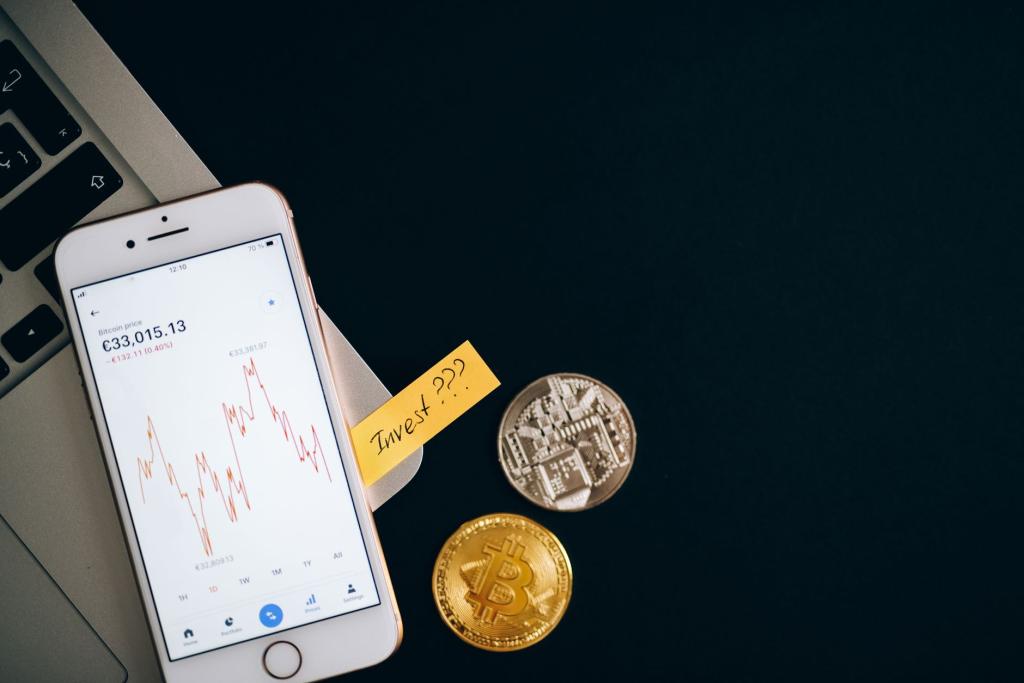
Binance, one of the world's largest crypto exchanges, just bought a stake in the stablecoin business. The company has taken a one hundred million dollar equity position in Circle, the firm behind USDC, and paired the investment with a five-year commercial agreement to push the dollar-backed token across its platform. The Binance Circle deal surfaced in an SEC filing published Tuesday, September 22, was reported by Reuters and CoinDesk.
Circle issued roughly one and a quarter million Class A shares to Binance at eighty dollars and eighty-four cents each in a private placement that closed September 17, the filing shows. The price reflected a discount of about five percent to Circle's market value before the sale closed, according to the company's own statement.
Circle is the issuer of USDC, a dollar-pegged stablecoin with a market capitalization of nearly seventy-five billion dollars, according to CoinMarketCap data cited by Reuters. Circle's shares are up roughly nineteen percent so far this year, giving the company a market value near twenty-four billion dollars, Reuters reported.
The fine print: a two-year lock-up and monthly fees
Binance cannot flip the shares for a quick profit. The agreement bars the exchange from selling, transferring, or hedging the stock until the earlier of the second anniversary of closing or a termination of the commercial arrangement by Binance under specified conditions, subject to customary exceptions, CoinDesk reported. Binance keeps the right to vote the shares throughout the lock-up. Because the placement was unregistered, resale stays restricted unless the shares are registered later or an exemption applies.
The commercial side may matter more than the shares themselves. Circle agreed to pay Binance a monthly incentive fee calculated as a share of the USDC balances held through Circle's Modular Smart Contract Wallet service, while Binance will run promotional activities for the stablecoin, according to the filing. The Binance Circle deal replaces earlier USDC agreements the two companies signed in November 2024 and August 2025. Either side can end the partnership early if specified events occur.
The stablecoin race is going corporate
The partnership is pitched around widening USDC access in emerging markets. Jeremy Allaire, Circle's co-founder and chief executive, said in the company's statement that the goal is to broaden access to the dollar for people and businesses in emerging markets, according to CoinStats. Richard Teng, Binance's co-CEO, told CoinDesk in an email that the investment and the long-term commitment reflect lasting confidence, adding that a stable and trusted digital dollar should be available to anyone with a phone rather than staying a privilege.
USDC ended the second quarter of 2026 with roughly seventy-three point three billion dollars in circulation, up about a fifth from a year earlier, while quarterly on-chain transaction volume reached fourteen point eight trillion dollars, up more than one hundred fifty percent from a year earlier, Zacks reported. Circle posted seven hundred one million dollars in revenue and reserve income for the quarter, up seven percent.
The deal lands in a hot month for crypto: Bitcoin pushed back above eighty-six thousand dollars last week as nearly one billion dollars flowed into US spot Bitcoin ETFs in a single day, as GenZ NewZ reported. Germany, meanwhile, moved to end its long-standing one-year tax-free rule for crypto gains, as GenZ NewZ reported.
For everyday users, the question is what changes inside the apps they already use. If Binance pushes USDC the way the agreement describes, the stablecoin could become the default dollar on the exchange, making it easier to move money in and out of crypto without touching a bank.
The shift says something about where crypto is heading. A few years ago, exchanges and issuers mostly treated each other as rivals or kept things at arm's length. Now Binance is buying Circle stock it cannot sell for two years and collecting a monthly fee tied to how much USDC sits in Circle's wallets. That looks like a bet that money keeps moving on-chain, and that whoever owns the on-ramps wins.
Either company can end the partnership early under certain conditions, and the exact triggers are not public, CoinDesk noted. A lock-up cuts both ways: it signals confidence, but it also means Binance is stuck with the shares if Circle stumbles.
When Binance writes a nine-figure check to the company behind the dollar token it plans to promote for the next five years, the rest of the industry gets the message: the stablecoin wars have entered their alliance phase.
Comments 0
No comments yet. Be the first to share your thoughts!
Leave a comment
Share your thoughts. Your email will not be published.