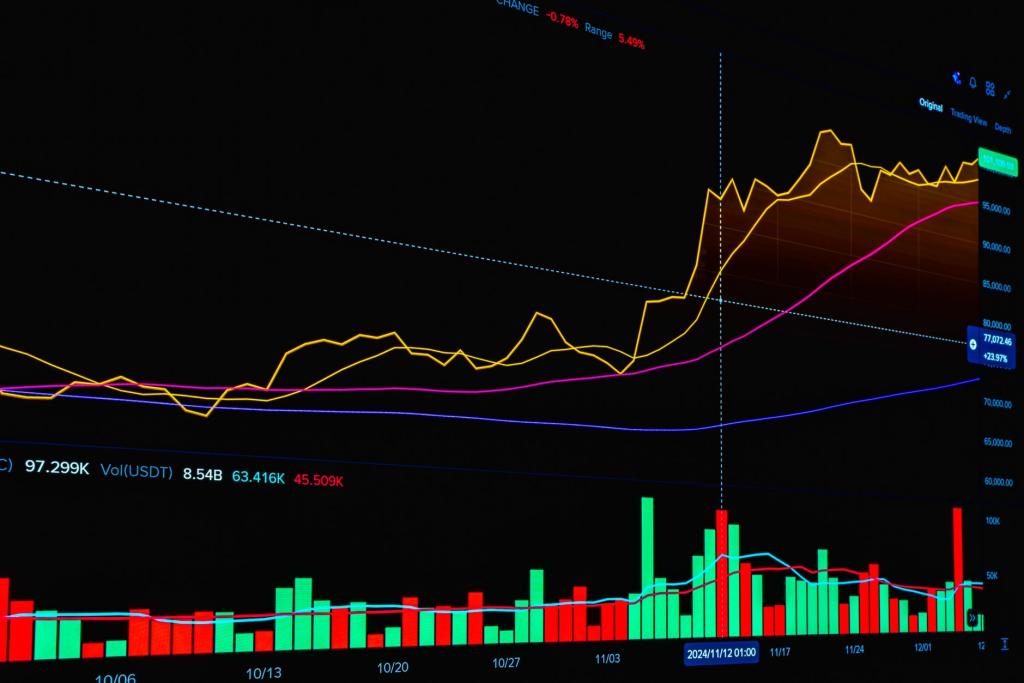
Bitcoin does not care that Washington cannot get its act together. On Monday, September 21, the price jumped more than five percent and pushed through eighty-five thousand dollars for the first time since January, and the Bitcoin $85,000 rally kept climbing from there. It is the kind of move that lights up group chats, and it happened while the one piece of legislation crypto lobbyists care about most is gathering dust on a shelf.
The numbers behind the move are striking. Bloomberg reported a gain of five point one percent to about eighty-five thousand two hundred dollars in early New York trading on Monday, according to a CNBC market roundup, while Coin Metrics data put the intraday high at eighty-five thousand two hundred twenty-nine dollars. The rest of the crypto market came along for the ride: Ether rose more than four percent, XRP and Solana posted even bigger percentage gains, and crypto-linked stocks including Coinbase, Circle, and Strategy each climbed about five percent before the opening bell. Total crypto market value pushed back toward one point seven trillion dollars.
Why the rally caught everyone off guard
Part of the surprise is how little warning there was. Bitcoin spent most of 2026 grinding between the mid seventies and the low eighties, and a slide below seventy-six thousand dollars in the middle of last week had the bears feeling confident. Then Monday arrived with a wave of forced buying. More than seven hundred eighty million dollars in crypto positions were liquidated within twenty-four hours, according to data from CoinGlass cited by CoinCodex, and most of that was traders who had bet on prices falling. When those bets go wrong, traders have to buy back in, and that buying pushes prices higher still.
Fresh money helped too. United States spot Bitcoin ETFs pulled in four hundred thirty-three million dollars on Friday alone, according to figures compiled by SoSoValue, a sharp turnaround after heavy outflows earlier in the week. Naeem Aslam, chief investment officer at Zaye Capital Markets, pointed to three drivers behind the surge: stronger ETF inflows, regulatory developments, and traders covering short positions.
The macro backdrop did the rest. Brent crude slid below one hundred dollars a barrel on signs that tensions with Iran could cool, the ten-year Treasury yield retreated, and the broader stock market joined the party, with the S&P 500 up one and a half percent and the Nasdaq up two point one percent. According to Bloomberg, IG chief market analyst Chris Beauchamp said financial markets had rediscovered a risk-on frame of mind after weeks of worry about bond yields, debt levels, and the prospect of tighter policy from the most powerful central bank in the world. Bitcoin is the quintessential risk-on asset, which means it tends to climb when yields fall and sink when they rise, as the Motley Fool noted in its Monday market recap.
The bill that failed, and the prediction that will not die
Here is the strange part: the rally happened right after crypto policy in Washington took a hit. The Clarity Act, the landmark bill meant to settle how digital assets are regulated in the United States, failed to advance in the Senate last week. Two days later, regulators started moving without Congress. The Securities and Exchange Commission opened a temporary path for platforms to let people trade tokenized stocks, and the Commodity Futures Trading Commission sent a proposed set of crypto market rules to the White House for review. That flurry of agency action, reported by CNBC, eased some of the uncertainty the stalled bill had created.
The rally also got a familiar cheerleader. Silicon Valley investor Tim Draper is once again predicting that Bitcoin will reach two hundred fifty thousand dollars within two years, a call he has been making in various forms for nearly five years. His new twist is that artificial intelligence will be the catalyst, through AI products built on Bitcoin or AI agents transacting in the asset themselves. The Motley Fool was skeptical, noting that Bitcoin has never come close to that target. The nearest it got was about one hundred twenty-six thousand dollars in October 2025, and the publication added that with the Clarity Act now on indefinite hold, the road to two hundred fifty thousand in twenty-four months is hard to see.
That stalled bill matters more than most casual holders realize. Without clear rules, large institutional investors keep finding reasons to stay on the sidelines, and rallies stay dependent on mood swings in oil, bonds, and ETF flows. Prices can spike on a good Monday, but sustained moves need the kind of structural clarity that only legislation delivers. For a sense of what regulation actually changes for everyday holders, our earlier piece on the German crypto tax overhaul is a useful comparison.
What to watch next
The next few weeks will test whether eighty-five thousand dollars is a floor or a ceiling in disguise. If oil prices bounce back or Treasury yields climb again, the same forces that lifted the market on Monday can reverse just as fast. The Federal Reserve just delivered its first interest rate hike in more than three years, and how markets digest tighter policy will matter enormously for every risk asset, crypto included.
Longer term, the question is whether Washington gets moving or regulators keep filling the gap on their own. A revived Clarity Act would not send Bitcoin to two hundred fifty thousand overnight, but it would remove one of the biggest excuses institutions use to stay away. Until then, expect more days like Monday: fast, loud, and driven by everything except crypto itself. Anyone rethinking a portfolio in a year of rate hikes should read our rundown of money moves worth making now and why the Vietnam market upgrade matters for young investors.
Comments 0
No comments yet. Be the first to share your thoughts!
Leave a comment
Share your thoughts. Your email will not be published.