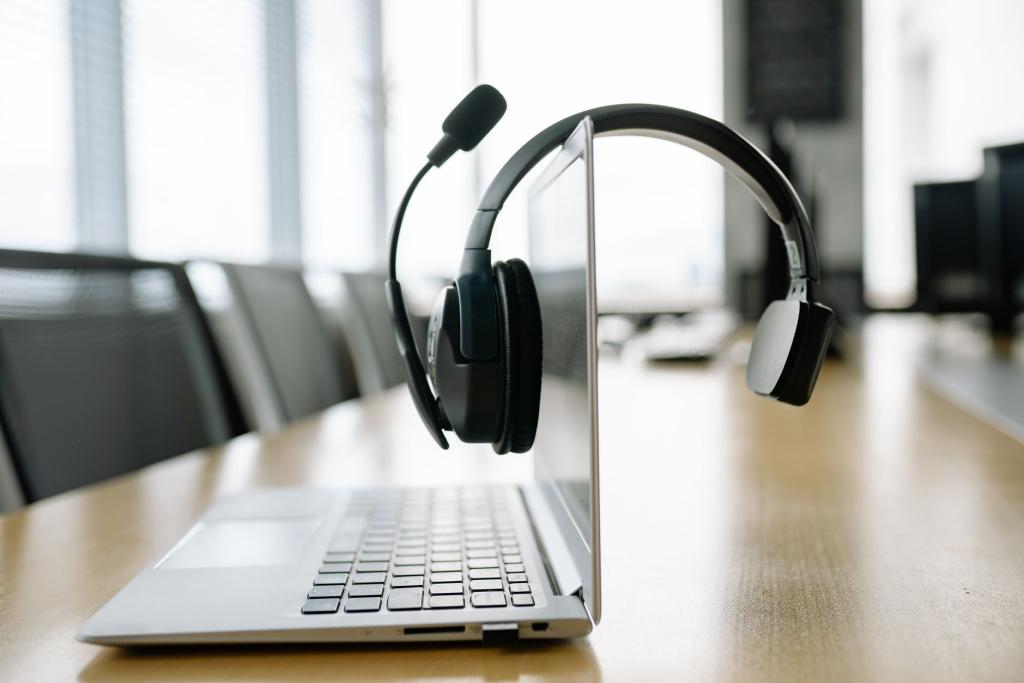
Razer has launched a new wireless gaming headset that breaks one of the industry's oldest patterns: the Barracuda V2 Pro costs less than the model it replaces and lasts much longer on a single charge. The new set runs for up to seventy hours, ships with a detachable boom microphone, and sells for about two hundred dollars, according to Tech Insider's report on the October 2026 launch.
The original Barracuda Pro debuted at roughly two hundred and fifty dollars, so the refresh lands about fifty dollars cheaper than its predecessor. Razer also raised rated battery life from about forty hours to the new figure, a gain of nearly thirty hours per charge. The lower price paired with longer runtime is a deliberate pitch at gamers who use one headset for everything, from late-night ranked matches to morning commutes.
That everything angle matters most for younger buyers. Students and hybrid workers tend to live inside Discord calls, online classes, and multiplayer lobbies on the same device rotation, and headsets that force a choice between a gaming dongle and a phone call create daily friction. The new set connects over low-latency 2.4GHz wireless and Bluetooth at the same time, so a call from a phone can come through while game audio keeps playing. A one-touch SmartSwitch button flips between the two links in seconds, and audio from both can play simultaneously.
What Changed From the Original Barracuda Pro
The clearest upgrade is the microphone. The original model relied only on built-in beamforming microphones tucked into the frame, and reviewers said voice quality was the weakest part of the package. The new version keeps those internal microphones for a clean, boom-free look but adds a detachable boom microphone that snaps on for games and group calls. Both microphone modes get AI-powered noise filtering, reported by Techaeris in its launch coverage, and early reviewers found the detachable boom clearer and more present than the microphone on the previous generation.
Battery life is the other headline change. Up to seventy hours per charge is roughly three days of continuous playback, a figure that sits near the top of the wireless gaming category. A short fifteen-minute charge is reported to add about six hours of listening, which softens the blow when the headset does run dry. The frame itself is also lighter, dropping from about three hundred forty grams on the original to two hundred eighty-five grams, with earcups that fold flat for travel and a storage slot inside the left cup for the USB-C wireless dongle, addressing a common packing complaint with wireless peripherals.
Sound hardware moves forward in smaller steps. The headset uses Razer's forty-millimeter TriForce Bio-Cellulose drivers, tuned with THX Spatial Audio+ virtual surround processing for PC players. Latency on the 2.4GHz HyperSpeed link is rated at about twenty milliseconds, fast enough that audio stays synced with on-screen action. The headset skips RGB lighting entirely, a quiet nod to the lifestyle positioning.
A Launch Timed Against a Crowded 2026 Market
The new Razer headset lands in a busy season for gaming audio. Logitech G announced fifteen new products at its annual PLAY 2026 showcase, including the PRO X3 LIGHTSPEED headset with a studio-grade microphone, as reported by Gadget Hacks. HyperX has also leaned hard into marathon battery figures, with some low-power modes stretching past one hundred hours, setting the benchmark Razer is chasing. Hardware is piling up across the board this quarter, from the RTX Spark launch with day-one game support to new console accessories.
The launch timeline moved fast. Razer announced the headset on October 15, 2026, with retail availability the same day at its own stores and select retailers worldwide. Tech Insider's coverage the following day framed it as a rare refresh that improves price, battery, and microphone at once rather than trading one strength for another. Independent reviewer Daryl Baxter, who tested the headset for several weeks before launch, reported coming away impressed with the combination of lighter weight and longer runtime.
For Gen Z buyers, the practical pitch is simple: one device for a Discord-heavy routine. A headset that handles group project calls on a laptop, music on the bus, and low-latency game audio at a desk covers more hours of the day than a pure esports set that only gets worn during play sessions. The simultaneous wireless feature removes the need to dig through settings mid-match to take a call, a friction point almost every student gamer knows. Headsets are also where young gamers meet strangers online, a safety gap GenZ NewZ covered earlier this year.
What the Barracuda V2 Pro Still Lacks
The launch is not without open questions. Razer has not specified how far the seventy-hour rating drops with active noise cancellation switched on, and one outlet reports about fifty hours with ANC enabled, a figure worth confirming before buying. Full console compatibility lists have not been published in launch coverage, so players planning to use the headset across PC and console should check Razer's own documentation first.
Bluetooth codec support also remains unconfirmed, a detail that matters for audio quality on phones. And while the detachable microphone answers the original model's biggest complaint, the V2 Pro does not beat HyperX's extreme low-power battery modes outright. For buyers who chase the longest possible runtime above all else, those alternatives remain in play. For everyone else, the Barracuda V2 Pro looks like the more complete package, backed by one of the longest-running gaming audio lines in the business.
Razer positions the device with the pitch of one headset for all day, anywhere. Whether that promise holds up in daily use will depend on real-world battery tests and voice-quality comparisons in the coming weeks, but the launch numbers give it a strong starting point: a lower price, a longer charge, and a microphone that finally treats group chat as a first-class feature.
Comments 0
No comments yet. Be the first to share your thoughts!
Leave a comment
Share your thoughts. Your email will not be published.