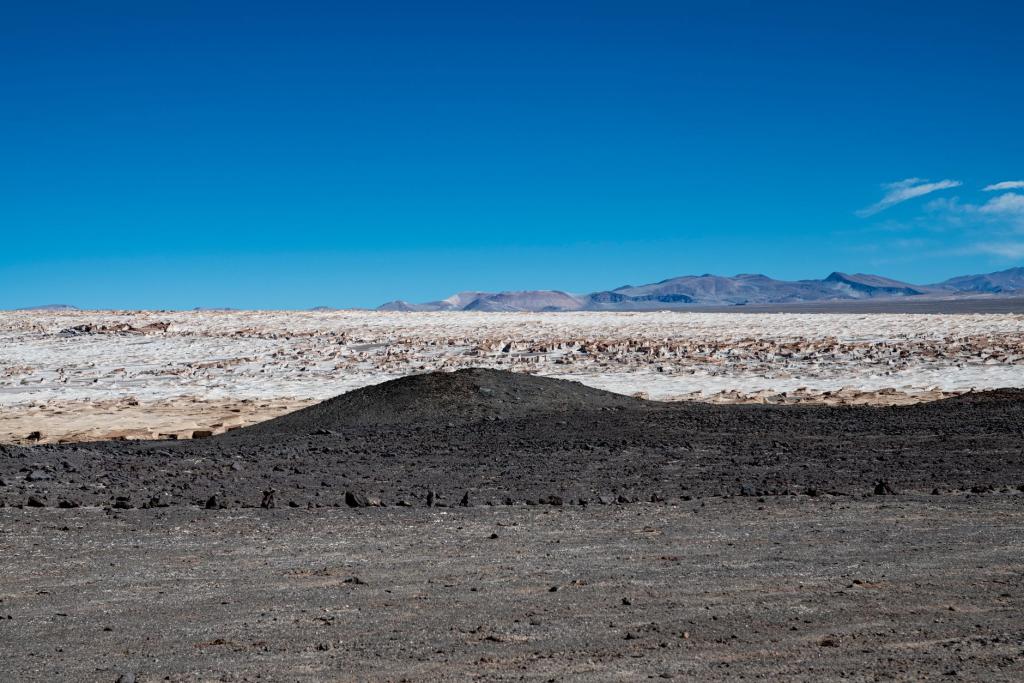
The driest place on Earth is about to turn purple. After an unusually wet winter, Chile's Atacama Desert has started its rare Atacama Desert bloom, and the biologists tracking it say this one could rank among the biggest ever recorded.
The Atacama is one of the oldest and driest deserts in the world, roughly five times drier than the Sahara according to BBC Wildlife Magazine's Discover Wildlife guide. Most years it sits almost bare, a plain of salt and stone. But when the rain arrives in exactly the right measure, more than two hundred flower species wake from dormancy at once, and the desert changes color for a few short weeks. The phenomenon is called Desierto Florido in Chile, and it only happens after between fifteen and thirty millimetres of rainfall in the winter months, plus enough cold hours to nudge the sleeping seeds awake.
This year got both. Intense August storms soaked the region, and Chile's National Forestry Corporation now projects the bloom could cover up to fifteen thousand square kilometres, Discover Wildlife reports. The first flowers were already visible in the second half of August. Footage filmed near Copiapó on September seventeenth shows fields of blue and white blossoms, and the bloom is expected to spread through September toward a peak in the second half of October. Chilean authorities give a slightly earlier estimate, with NewsPoint reporting that tourism officials expect the height of the season in the first weeks of October.
For perspective, this is land where some soils can go decades without a drop of rain. Plants like the llareta, a dense cushion plant, can live for thousands of years by growing almost imperceptibly slowly, according to the Deserts of the World Atacama guide. Where fog rolls in off the coast, whole hillsides of shrubs and lichens pull moisture out of the night air.
Twenty twenty-six's setup is unusual even by flowering desert standards. NASA described one of the August storms as unusually widespread because snow reached far beyond the high Andes into the desert interior and toward the coast, the Deserts of the World guide notes. Snowfall like that pushes moisture deep into the soil, exactly where the dormant seeds are waiting. Twenty twenty-five also produced a notable flowering, but this year's bloom looks set to dwarf it.
How the Atacama Desert bloom works
The seeds were there the whole time. Biologist Cesar Pizarro Gacitua told Asianet News that organisms and plant species can sit in the upper thirty to forty centimetres of sand, looking completely lifeless, until rainfall wakes them. "From a climate perspective, many parts of the world are experiencing negative effects, but in the Atacama Desert, a phenomenon that surprises us is occurring," said Pizarro, speaking to TV Asahi in a broadcast aired September twenty-fourth. TV Asahi's coverage described this El Niño as possibly the strongest of the past four decades, which is part of why the rains were so generous.
What arrives first is the pata de guanaco, a purple flower whose scientific name is Cistanthe longiscapa. Researchers are now sequencing its genome because the plant can switch between different modes of photosynthesis and tolerate extreme drought and salt, traits that might help breed more resilient crops in a warming world, according to Deserts of the World. Once the first flowers open, pollinators return to the desert, and the photographers and tourists follow close behind.
Where to see it, and what not to do
Chile set aside protection for exactly this moment. Parque Nacional Desierto Florido, created in twenty twenty-three about thirty kilometres south of Copiapó, covers more than fifty-seven thousand hectares of prime bloom territory, NewsPoint reports. The best viewing of the Atacama Desert bloom runs through the Llanos de Challe area and the coves and valleys of the Huasco and Copiapó provinces, including Chañaral de Aceituno and Totoral.
The rules are simple and strict. Visitors must stick to marked roads and designated viewing areas, and stepping on or picking flowers is forbidden. The flowers are not decoration. They are food for guanaco and for the birds that spread the seeds, so every trampled patch shrinks the next season's bloom. Some roads are still damaged from the winter rain, so regional authorities say to check access before making the trip.
For a place defined by absence, the Atacama spends a few weeks each flowering season being about as alive as land gets. If you liked the story of the Kew Gardens agave that waited twenty years to bloom, this is its louder, wilder cousin. And for a reminder of how much plants do for us even indoors, houseplants turn out to improve air quality more than most people expected.
Comments 0
No comments yet. Be the first to share your thoughts!
Leave a comment
Share your thoughts. Your email will not be published.