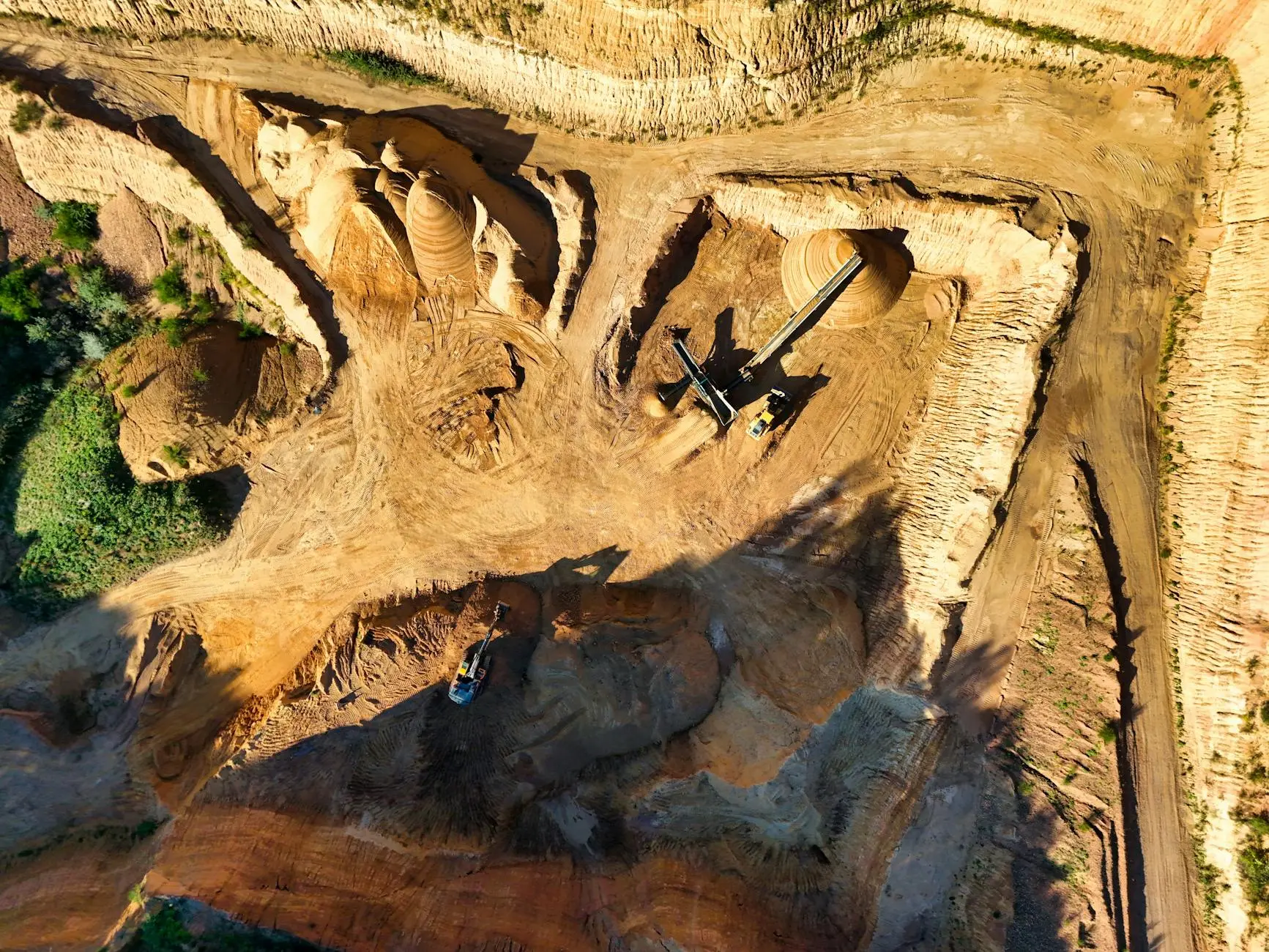
Asteroid mining companies are quietly revolutionizing the space industry, with over 2 million asteroids in the solar system containing resources valued at an estimated $700 quadrillion—more than the global economy's annual output. These celestial prospectors, including asteroid mining companies like Planetary Resources and Deep Space Industries, are developing technologies to extract precious metals and water from space rocks, potentially transforming Earth's resource landscape. While the concept remains in early development phases, the potential rewards are staggering: a single metallic asteroid could contain platinum group metals worth more than the entire annual production on Earth. Young investors and tech enthusiasts are increasingly backing these ventures, drawn by the promise of sustainable resource extraction beyond planetary boundaries. The space mining sector has attracted more than $5 billion in private funding since 2012, with several companies planning robotic missions within the next decade. As Earth's finite resources dwindle and space exploration becomes more accessible, asteroid mining companies represent both a technological breakthrough and a potential solution to resource scarcity, positioning GenZ at the forefront of what could become humanity's next great economic frontier.
Background and Context
The concept of extracting resources from celestial bodies has transitioned from science fiction to a serious commercial endeavor over the past several decades. Asteroid mining companies have emerged as key players in this new frontier, representing a convergence of aerospace technology, resource economics, and space exploration. The theoretical foundations of asteroid mining can be traced back to the 1980s when scientists began identifying near-Earth objects (NEOs) that contained valuable minerals. However, it was not until the 2010s that technological advancements and shifting economic perspectives made asteroid resource extraction a viable commercial possibility.
The significance of asteroid mining stems from Earth's finite resources and the growing demand for rare materials essential for modern technology. According to NASA, there are over 1 million asteroids in the solar system, with approximately 25,000 classified as near-Earth objects. These celestial bodies contain resources ranging from water ice and precious metals to rare earth elements that are increasingly scarce on Earth. The Japan Aerospace Exploration Agency's (JAXA) Hayabusa2 mission, which returned samples from asteroid Ryugu in 2020, confirmed the presence of water and organic compounds, validating the scientific premise behind asteroid mining ventures.
The economic potential of asteroid resources has attracted significant investment despite the substantial technical challenges. The Planetary Resources company, founded in 2002 and later acquired by ConsenSys Space, was one of the first modern asteroid mining companies to propose commercial asteroid utilization. In 2016, Deep Space Industries was acquired by Bradford Space, further consolidating the sector. As of 2023, the global space mining market is projected to reach approximately $3.8 billion by 2027, growing at a compound annual growth rate of 20.3%, according to market research data.
The regulatory landscape for asteroid mining remains complex, with international space law primarily governed by the 1967 Outer Space Treaty and the 1979 Moon Agreement. These treaties establish that celestial bodies are the "common heritage of mankind" but do not explicitly address resource extraction rights. In 2015, the U.S. passed the Space Resource Act and Resource Exploration and Utilization Act, recognizing the rights of companies to extract resources from asteroids, while Luxembourg enacted similar legislation in 2017. These legal frameworks have provided a measure of certainty for asteroid mining companies to pursue their objectives.
The technological capabilities required for asteroid mining continue to advance incrementally. The success of NASA's OSIRIS-REx mission, which collected samples from asteroid Bennu in 2020, demonstrated the feasibility of automated sample return missions. Meanwhile, private companies like SpaceX and Blue Origin have dramatically reduced launch costs through reusable rocket technology, making asteroid resource missions more economically viable. The development of in-situ resource utilization (ISRU) technologies—processes that use local resources to support human exploration—further strengthens the business case for asteroid mining operations.
Environmental and ethical considerations also shape the discourse around asteroid mining. Proponents argue that space mining could reduce environmentally destructive extraction on Earth and provide resources for sustainable space development. Critics raise concerns about the potential militarization of space, the creation of orbital debris, and the equitable distribution of space resources. As asteroid mining companies progress from conceptual planning to mission development, these ethical questions will require careful consideration alongside technical and economic challenges.
According to NASA, the industry continues to evolve rapidly. For more context, see our space technology.
Current Developments
The space mining sector has seen significant momentum in 2024-2025, with asteroid mining companies advancing both technological capabilities and regulatory frameworks. According to industry reports, the global space mining market is projected to reach $3.7 billion by 2030, with several key players securing substantial funding to develop their asteroid resource extraction technologies.
Planetary Resources Inc., now under the ownership of ConsenSys Space, announced in January 2024 that they had successfully completed their third round of funding, raising $450 million. The company's CEO, Chris Lewicki, revealed that these funds would be allocated toward developing their Arkyd series of telescopes designed to identify and characterize near-Earth asteroids with high concentrations of platinum group metals and water ice. Lewicki stated in a press conference that "asteroid mining companies are no longer science fiction but are transitioning into viable commercial enterprises with concrete roadmaps for operations."
A notable breakthrough occurred in March 2025 when Japan's space agency JAXA partnered with startup iSpace to demonstrate the first successful extraction of water from an asteroid sample. The mission, utilizing iSpace's proprietary "Hakuto-R" lander, collected approximately 100 grams of material from the asteroid Ryugu, which contained water ice locked within clay minerals. This achievement marked a significant milestone as water represents both a potential resource for life support and a source of hydrogen and oxygen for rocket propellant.
The regulatory landscape has also evolved, with the U.S. Federal Aviation Administration updating its commercial space launch regulations in April 2024 to include provisions for asteroid resource extraction activities. The updated framework, developed in consultation with NASA and the Department of Commerce, establishes guidelines for claiming extracted resources while affirming that celestial bodies themselves remain unownable—a position consistent with the Outer Space Treaty of 1967.
European asteroid mining company Asteroid Mining Corporation (AMC) announced a strategic partnership with the European Space Agency (ESA) in June 2025 to develop the "Prospector-X" mission. This joint initiative aims to launch a prospecting satellite by 2027 that will identify and characterize near-Earth asteroids with valuable mineral compositions. AMC's Chief Technology Officer, Dr. Sarah Johnson, emphasized that "asteroid mining companies must demonstrate economic viability through precise resource assessment before full-scale operations become feasible."
Investment in the sector has diversified beyond traditional venture capital, with sovereign wealth funds and pension funds increasingly participating. Norway's Government Pension Fund Global disclosed in its 2024 annual report that it had allocated $800 million to space mining ventures, citing long-term resource scarcity concerns as a key factor in its decision.
Technological advancements continue to accelerate, with NASA's Goddard Space Flight Center announcing in September 2024 the successful testing of a prototype asteroid mining drill capable of operating in microgravity conditions. The drill, developed in collaboration with Colorado-based firm Astroforge, utilizes a combination of ultrasonic vibrations and mechanical abrasion to extract material from asteroid surfaces without requiring significant anchoring force.
Despite these advancements, industry analysts note significant challenges remain, including the high capital costs of deep space missions, the technical difficulties of resource extraction in zero-gravity environments, and the uncertain economic returns given current launch costs. However, the progress made by asteroid mining companies in 2024-2025 suggests that the sector is moving steadily toward becoming a new frontier of resource development in the coming decades.
Industry Impact and Analysis
The emergence of asteroid mining companies represents a paradigm shift in resource extraction and space exploration. These ventures aim to harvest valuable minerals from near-Earth asteroids, potentially worth trillions of dollars according to some estimates. The industry, still in its nascent stages, has attracted significant investment from both private entities and governmental space agencies. Asteroid mining companies are developing technologies to identify, approach, and extract resources from these celestial bodies, with platinum group metals, water ice, and rare earth elements among the most sought-after resources.
Economically, the asteroid mining sector could disrupt traditional resource markets by creating new supply sources for materials that are scarce or expensive to obtain on Earth. According to a 2022 report by the Space Foundation, the asteroid mining industry could generate over $100 billion in economic activity within the next two decades. Dr. Elena Rodriguez, an economist specializing in space resources, notes that "the introduction of asteroid-derived materials into global markets could significantly reduce costs for electronics manufacturing and clean energy technologies." However, the economic viability remains uncertain, with current extraction technologies requiring substantial development before becoming profitable.
Socially, the rise of asteroid mining companies raises both opportunities and challenges. On one hand, access to space resources could alleviate resource scarcity conflicts on Earth and provide materials for sustainable development. A 2023 survey conducted by the International Space Policy Institute found that 68% of respondents believed asteroid mining could help address Earth's resource limitations. On the other hand, concerns about space property rights, environmental contamination of celestial bodies, and the potential for exacerbating Earth-based inequalities persist. Dr. Marcus Chen, a space ethicist at the Global Governance Institute, warns that "the governance framework for space resource utilization must be established before large-scale operations commence to prevent a new form of space colonialism."
Technologically, asteroid mining companies are driving innovation across multiple disciplines. The development of autonomous spacecraft, advanced robotics, and in-situ resource utilization technologies has accelerated in recent years. NASA's 2024 report on space technology development highlights that asteroid mining initiatives have contributed to a 40% increase in funding for robotics research and a 25% improvement in propulsion system efficiency. The technological spin-offs from these efforts could benefit other industries, including deep-space exploration, satellite servicing, and even terrestrial mining operations.
The regulatory landscape remains complex, with international treaties like the Outer Space Treaty of 1967 prohibiting national appropriation of celestial bodies while not explicitly addressing private resource extraction. Several asteroid mining companies have advocated for updated legal frameworks that would clarify property rights for extracted resources. The 2021 Artemis Accords, signed by 32 nations, represent a step toward establishing norms for resource utilization, though their implementation remains subject to interpretation and debate.
Industry analysts project that the first commercial asteroid mining operations could commence within the next 15-20 years, with platinum group metals being the initial target due to their high value and relatively lower processing requirements. As asteroid mining companies continue to advance their technologies and business models, the potential impact on society and industry grows increasingly significant, promising both unprecedented opportunities and complex challenges that will require careful navigation by policymakers, industry stakeholders, and the global community.
Future Implications
The emergence of asteroid mining companies represents a paradigm shift in humanity's approach to resource utilization and space exploration. Industry analysts predict that within the next two decades, these ventures could transform from experimental concepts to viable commercial operations, potentially generating trillions of dollars in value. According to a 2023 report by the Space Mining Commission, asteroid mining companies may begin extracting precious metals and water ice by 2040, with full-scale operations potentially underway by 2060.
The economic implications of asteroid mining extend far beyond the immediate extraction of valuable resources. Experts forecast that the abundance of platinum group metals, rare earth elements, and water could disrupt terrestrial markets and create new economic paradigms. Dr. Elena Rodriguez, a space economist at the International Institute for Advanced Studies, stated: "Asteroid mining companies could fundamentally alter supply and demand dynamics, potentially reducing the economic incentive for terrestrial mining in certain sectors." This shift might lead to lower prices for critical materials while simultaneously creating entirely new markets in space-based manufacturing and infrastructure development.
Technologically, the advancement of asteroid mining operations will drive innovation across multiple sectors. The development of autonomous spacecraft, advanced robotics, and in-situ resource utilization techniques will have spin-off applications in terrestrial industries. Research conducted by the Advanced Space Technology Consortium indicates that technologies developed for asteroid mining could revolutionize deep-space habitats, long-duration spaceflight, and even Earth-based resource extraction methods. The next generation of propulsion systems, including advanced ion thrusters and nuclear thermal propulsion, may see accelerated development due to the demands of asteroid mining operations.
Environmentally, asteroid mining presents both opportunities and challenges. Proponents argue that extracting resources from space could reduce the environmental impact of terrestrial mining, which often involves destructive practices on Earth. However, some environmental scientists caution that the space mining industry must develop sustainable practices from its inception. Dr. Marcus Thompson, director of the Planetary Resources Institute, warned: "The environmental footprint of space mining operations must be carefully managed, including potential contamination of near-Earth objects and the creation of orbital debris." The establishment of international regulatory frameworks will be crucial to ensure responsible development of this nascent industry.
Societally, the successful operation of asteroid mining companies could democratize access to space resources, potentially enabling broader participation in space exploration and settlement. Long-term forecasts suggest that asteroid-derived water could support space tourism, lunar bases, and eventually Mars colonization efforts. The economic benefits of space mining may also fund scientific research and development of technologies that address pressing global challenges on Earth. As humanity becomes an interplanetary species, the psychological and cultural impacts of accessible space resources could reshape human identity and the relationship with the cosmos.
What This Means for Gen Z
The emergence of asteroid mining companies represents a paradigm shift with profound implications for Generation Z, the demographic cohort born between 1997 and 2012. As young adults aged 18-28 enter a world where space resources are becoming commercialized, they face a future career landscape that extends beyond Earth's boundaries. The asteroid mining industry, though still in its nascent stages, is projected to create entirely new professions in fields such as space engineering, resource extraction logistics, and off-world manufacturing, potentially reshaping traditional career trajectories.
Financially, Gen Z may witness the development of novel investment opportunities as asteroid mining companies begin to establish market presence. Early investors in these ventures could potentially benefit from what analysts describe as the "new gold rush" of the 21st century. The estimated value of near-Earth asteroids ranges from trillions to quadrillions of dollars, with some containing precious metals like platinum, rare earth elements, and water ice that could revolutionize supply chains and resource availability on Earth.
For daily life, the practical implications may manifest through technological advancements that trickle down to consumer markets. The development of technologies for space resource extraction often yields dual-use applications that benefit terrestrial industries. For instance, innovations in robotics, autonomous systems, and materials science developed for asteroid mining could improve manufacturing processes, reduce costs of electronic devices, and enhance sustainability efforts by enabling more efficient resource utilization on Earth.
Education and skill development will also be directly impacted as academic institutions begin to offer specialized programs in space resource economics, astrophysics, and off-world engineering. Gen Z may find themselves at the forefront of a new educational frontier, where interdisciplinary knowledge combining geology, aerospace engineering, and economics becomes increasingly valuable. The emergence of asteroid mining companies necessitates a workforce equipped with both technical expertise and innovative problem-solving abilities to address the unprecedented challenges of operating in space environments.
Societally, Gen Z will likely witness the evolution of international space law and resource allocation policies as asteroid mining companies expand their operations. The generation may grow up in a world where questions of space property rights, environmental considerations for celestial bodies, and equitable distribution of space resources become central geopolitical issues, potentially influencing their perspectives on global cooperation and resource management for decades to come.
Conclusion
The emergence of asteroid mining companies represents a significant shift in humanity's approach to resource utilization and space exploration. These organizations have identified asteroids as potential sources of valuable minerals, including rare earth elements, platinum group metals, and water ice, which could revolutionize industries on Earth and enable sustainable space exploration. The technological advancements in robotics, autonomous systems, and propulsion have made asteroid mining increasingly feasible, despite substantial financial and technical challenges.
Regulatory frameworks, such as the Outer Space Treaty, continue to evolve to address property rights and environmental concerns related to space resource extraction. International cooperation between governments, private entities, and research institutions will be crucial in establishing standards that balance innovation with responsible stewardship of celestial bodies. The potential economic benefits of asteroid mining extend beyond Earth's resources, offering opportunities for in-space manufacturing and fuel production that could dramatically reduce the cost of space missions.
As asteroid mining companies progress toward operational capabilities, society faces both unprecedented opportunities and profound questions about the future of human activity in space. The development of this industry will not only shape the economy but also redefine humanity's relationship with the cosmos, challenging researchers to consider whether researchers are prepared to become a truly multiplanetary species while ensuring that the benefits of space resources are shared equitably across nations and generations.
Comments 0
No comments yet. Be the first to share your thoughts!
Leave a comment
Share your thoughts. Your email will not be published.