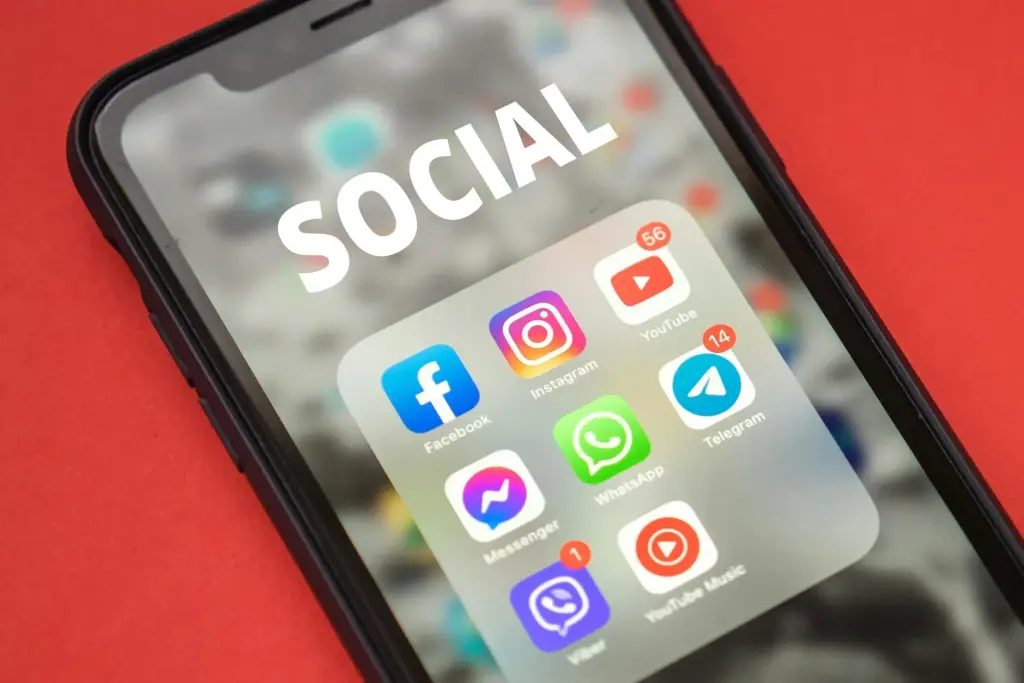
Social media platforms 2025 have undergone transformative changes that have fundamentally reshaped how users communicate, share content, and build communities online as artificial intelligence integration, video-first approaches, and emerging networks challenge established giants for user attention. The landscape has evolved dramatically from text-based status updates toward immersive video experiences, AI-generated content, and decentralized platforms offering alternatives to algorithm-controlled feeds that have characterized major platforms for over a decade. According to Smart Insights new social media platforms guide, understanding emerging platforms helps marketers and users navigate evolving digital communication landscape where new networks constantly challenge established players for audience attention and engagement time.
AI Integration Transforms Content Creation and Curation
The social media platforms 2025 landscape has been defined by artificial intelligence integration that has transformed both how content is created and how it reaches audiences through sophisticated recommendation systems that predict user preferences with remarkable accuracy. Major platforms including Instagram, TikTok, and YouTube have incorporated AI-powered tools enabling creators to edit videos, generate captions, and produce content more efficiently than manual processes previously allowed. According to Sprout Social 2025 social media trends, 83% of marketers say social media will be a primary source of customer care data for AI tools, while consumers seek social-first brand experiences and snackable content that fits their shorter attention spans in increasingly crowded digital environments.
The integration of AI within social media platforms 2025 has also raised concerns about authenticity, deepfakes, and the blurring line between human-created and machine-generated content that challenges traditional notions of genuine connection online. Platforms have responded with labeling requirements and detection tools, though the cat-and-mouse game between AI generation and detection continues evolving as both technologies advance rapidly. For users navigating these platforms, developing media literacy skills to evaluate content authenticity becomes increasingly important for making informed decisions about what to share, believe, and engage with in digital spaces.
Video Content Dominates Platform Strategies
Social media platforms 2025 have continued the shift toward video-first content strategies that prioritize short-form vertical videos over text and image posts that characterized earlier social media era dominated by Facebook and Instagram photo sharing. TikTok has maintained its influence over content trends while facing regulatory challenges in key markets, while Instagram Reels and YouTube Shorts have competed aggressively for creator attention and audience engagement that drives platform growth. According to Buffer social media trends analysis, platforms are prioritizing authentic content and creator empowerment while exploring emerging formats that combine entertainment with commerce capabilities enabling direct monetization.
The video dominance within social media platforms 2025 has created opportunities for Gen Z creators who have grown up with smartphones and intuitive understanding of what content resonates with their peers seeking entertainment, education, and connection in brief scrolling sessions. Understanding algorithm mechanics, audience preferences, and platform-specific best practices enables young creators to build audiences and potentially monetize content through brand partnerships, affiliate marketing, and direct fan support mechanisms platforms have developed to retain creator talent. For those considering content creation careers, understanding both creative and business aspects positions them for sustainable success rather than viral moments that fade quickly without lasting impact.
Emerging Platforms Challenge Established Giants
Social media platforms 2025 have seen continued emergence of alternative networks including Bluesky, Threads, and decentralized platforms offering different approaches to content moderation, algorithm transparency, and user control over data that appeal to users frustrated with established platform practices. According to Hootsuite social media trends, entertainment is now the top reason people use social media with one-third of users citing it as their primary motivation, while staying connected with friends and family remains important for building relationships through digital channels that complement in-person interactions.
For Gen Z users, social media platforms 2025 represent both opportunities for connection and challenges requiring digital wellness practices that maintain mental health amid constant connectivity and algorithmic manipulation designed to maximize engagement rather than wellbeing. Building awareness of how platforms are designed to capture attention helps young users make intentional choices about usage patterns, privacy settings, and content consumption that align with their values and goals rather than platform business objectives that may conflict with user interests.
Comments 0
No comments yet. Be the first to share your thoughts!
Leave a comment
Share your thoughts. Your email will not be published.