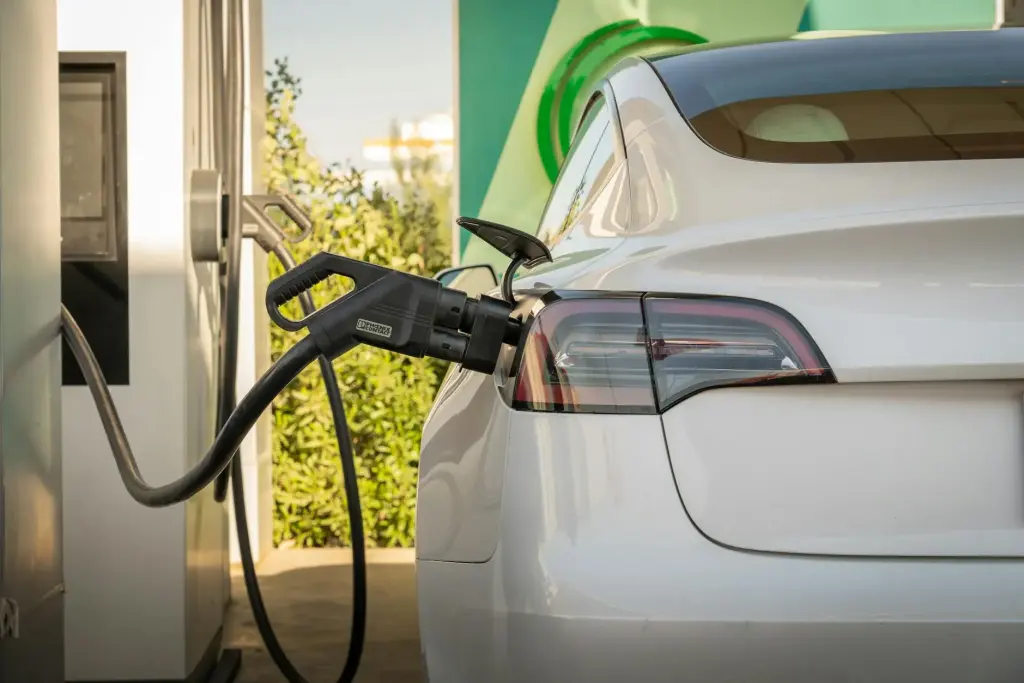
Electric vehicle sales 2025 have surged past industry expectations as global adoption accelerated dramatically, fundamentally reshaping the automotive landscape as consumers embrace electric mobility in record numbers across established and emerging markets worldwide. The year has witnessed electric vehicles capture over twenty percent of new car sales globally, representing a tipping point validating decades of investment in battery technology, charging infrastructure, and vehicle design that has made electric cars practical for mainstream consumers seeking sustainable transportation options. According to IEA Global EV Outlook 2025 analysis, electric car sales topped 17 million worldwide, rising by more than 25% year-over-year as more models reach showrooms and charging networks expand across continents supporting longer journeys and daily commutes.
Global Market Leaders Drive Competition
The electric vehicle sales 2025 landscape has been defined by intense competition between established automakers and pure-play electric vehicle companies fighting for market share in rapidly growing segments that will define automotive industry future. Tesla has maintained its position as bestselling electric vehicle brand in key markets while facing increasing pressure from Chinese manufacturers like BYD offering compelling alternatives at competitive prices appealing to cost-conscious consumers seeking electric mobility benefits without premium pricing. According to Car and Driver bestselling EVs analysis, the Tesla Model Y remains the bestselling EV in the United States with 317,800 estimated units sold, ranking as the seventh bestselling vehicle overall regardless of powertrain demonstrating mainstream acceptance of electric vehicles.
The competitive dynamics within electric vehicle sales 2025 reflect broader industry transformation as legacy automakers accelerate their transition away from internal combustion engines toward electric powertrains that will define coming decades of transportation evolution. European manufacturers like Volkswagen, BMW, and Mercedes-Benz have invested heavily in electric vehicle platforms while Chinese companies leverage their dominance in battery production to offer vehicles with impressive range and features at prices that undercut Western competitors significantly in markets throughout Asia, Europe, and increasingly the Americas. This competition has benefited consumers through improved technology, longer ranges, faster charging capabilities, and more accessible pricing that makes electric vehicles realistic options for broader demographics seeking sustainable transportation.
Infrastructure Expansion Enables Wider Adoption
Electric vehicle sales 2025 have been supported by massive infrastructure investments addressing range anxiety concerns that previously prevented many consumers from considering electric vehicles practical for their daily transportation needs. Charging networks have expanded dramatically along highways, in urban areas, and at workplaces, creating convenience that makes electric vehicle ownership practical for people without home charging access who previously could not consider electric cars viable options for their lifestyles. According to European EV market analysis, new battery-electric car sales in Europe increased by 28% to 570,943 all-electric cars in Q1 2025, representing the strongest quarter for BEVs on record demonstrating adoption acceleration pace.
The charging infrastructure buildout supporting electric vehicle sales 2025 has included both fast-charging stations enabling long-distance travel and destination charging at shopping centers, hotels, and workplaces that allows convenient charging during activities rather than requiring dedicated stops. This infrastructure development has required coordination between governments, utilities, private charging network operators, and automakers who recognize that vehicle adoption depends on charging convenience matching refueling experiences consumers expect from gasoline vehicles they are transitioning away from during this automotive transformation.
Gen Z Transportation Future Perspectives
For Gen Z consumers entering the car market, electric vehicle sales 2025 represent a future where electric will likely be the default option rather than alternative requiring justification through environmental values or early adopter enthusiasm that characterized earlier electric vehicle adoption phases. Understanding total cost of ownership advantages of electric vehicles, including lower fuel and maintenance costs that offset higher purchase prices over ownership period, helps young consumers make informed decisions about transportation investments that align with both environmental values and financial realities they face as first-time car buyers entering the market.
The electric vehicle sales 2025 momentum also creates career opportunities for young professionals interested in automotive industry transformation that will define coming decades of transportation evolution. From engineering roles developing battery technology and vehicle systems to business positions navigating changing market dynamics, the electric vehicle transition offers meaningful career paths for Gen Z workers seeking work addressing climate challenges while building professional skills in growing industry sector that will employ millions globally.
Comments 0
No comments yet. Be the first to share your thoughts!
Leave a comment
Share your thoughts. Your email will not be published.