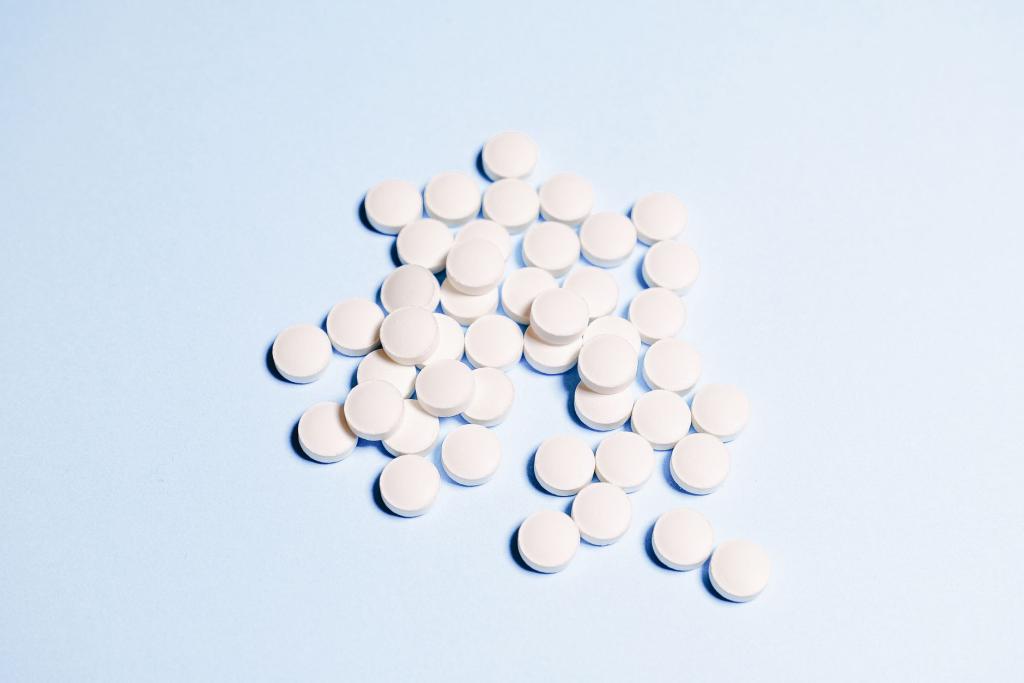
If your medicine cabinet is stocked with the cheap Amazon-brand painkillers you bought to save money, now is the time to pull the bottle out and read the label. This Acetaminophen Recall affects more than a hundred thousand bottles of Amazon's store-brand extra-strength pain reliever sold through Amazon, and it started with customers spotting something wrong with the pills themselves.
The voluntary recall was initiated on September 18 by Aurobindo Pharma USA, the manufacturer behind the Amazon-brand tablets, and it surfaced in the U.S. Food and Drug Administration's weekly enforcement report published the week of October 5, according to Money Talks News. The reason listed in the FDA notices is straightforward: consumer complaints about discolored tablets. Acetaminophen tablets are supposed to be white to off-white, and several buyers reported pills that did not look right.
So far, the FDA has not assigned a classification indicating how serious the health risk is, and neither the agency nor the manufacturer has explained what caused the discoloration. A similar episode last year — discolored Amazon-brand acetaminophen tablets — ended up classified as Class II, meaning the FDA judged the chance of serious harm to be low but not zero. That context matters, but it does not answer the question that matters most to you: is the bottle in your cabinet affected?
Which Bottles This Acetaminophen Recall Covers
The Acetaminophen Recall covers three bottle sizes of five-hundred-milligram caplets distributed by Amazon.com Services LLC, for a total of one hundred twelve thousand nine hundred thirty-two bottles. The largest group is the five-hundred-count bottle, with roughly ninety thousand bottles affected under National Drug Code 72288-692-50; the recalled lot numbers are ACD124036A, ACD124030A, ACD124042A, ACD124048B and ACD125010A, with expiration dates of September 30, 2027, October 31, 2027, November 30, 2027 and February 29, 2028 depending on the lot, as reported by Medical Daily.
The smaller sizes are included too. About fourteen thousand six hundred bottles in two-hundred-count packaging fall under lot ACD125040A with a September 30, 2027 expiration date, and just under eight thousand bottles in one-thousand-count packaging fall under lot ACD124048A with a November 30, 2027 expiration date. Importantly, Tylenol-branded products are not part of this action, according to Rejoy Health — if your bottle says Tylenol on the label, this Acetaminophen Recall does not apply to you.
How to Check Your Cabinet
Checking takes about two minutes and a good light. First, look at the brand and strength: you are looking for Amazon's store brand — sold under the Amazon Basic Care line — in extra strength, five hundred milligrams. Second, find the lot number and expiration date printed on the bottle and compare them against the lists above; the NDC number is a useful cross-check because lot codes alone can be easy to misread. Third, look at the tablets themselves through the bottle or after pouring a few out. They should be white to off-white — any noticeable discoloration is worth taking seriously even if the FDA has not yet spelled out what the off-color pills mean.
If your bottle matches, do not just toss it in the trash. Hold onto it for now, because recalls often get updated with return or refund instructions as the manufacturer and FDA fill in the details. The FDA notices for this Acetaminophen Recall did not yet include consumer directions, and guidance could change once the agency assigns a risk classification. You can follow our Health topic page for updates as this story develops.
What the Discoloration Actually Means
Here is the counterpoint the panic headlines leave out: a discolored tablet does not automatically mean a dangerous tablet. Discoloration is a quality-control failure — a sign the medicine may not meet the standards it was manufactured to — but the current notices do not establish a specific health risk, and the precise cause of the color change has not been disclosed. That is exactly why this Acetaminophen Recall exists: regulators would rather pull the bottles than ask consumers to gamble on what the color change means.
That said, do not stop taking needed pain relief on your own guesswork either. Acetaminophen is one of the most widely used over-the-counter medicines in the country, and skipping it without a plan can leave a fever or injury unmanaged. If your bottle is affected and you need pain relief tonight, the sensible move is to talk to a pharmacist — they can point you to a non-affected generic or the brand-name alternative and tell you what to do with the recalled bottle. For more on how over-the-counter medicines are vetted, see our coverage of a recent drug trial making headlines.
The timeline of this Acetaminophen Recall is worth keeping in mind: the manufacturer started the voluntary recall on September 18, but the FDA notices only became public during the week of October 5 — meaning affected bottles sat in medicine cabinets and on shelves for weeks before the news of the Acetaminophen Recall broke. That lag is a reminder of how recalls actually work: the system depends on consumers noticing something odd and speaking up, which is exactly what happened here. The buyers who looked closely at their tablets are the reason the rest of us know about this at all.
Bottom line for the budget-minded shopper: generic and store-brand medicines save real money, and the vast majority are perfectly fine. But this Acetaminophen Recall is a nudge to treat the medicine cabinet like anything else you buy on a deal — check the label, check the lot, and when something looks off, say something.
Comments 0
No comments yet. Be the first to share your thoughts!
Leave a comment
Share your thoughts. Your email will not be published.