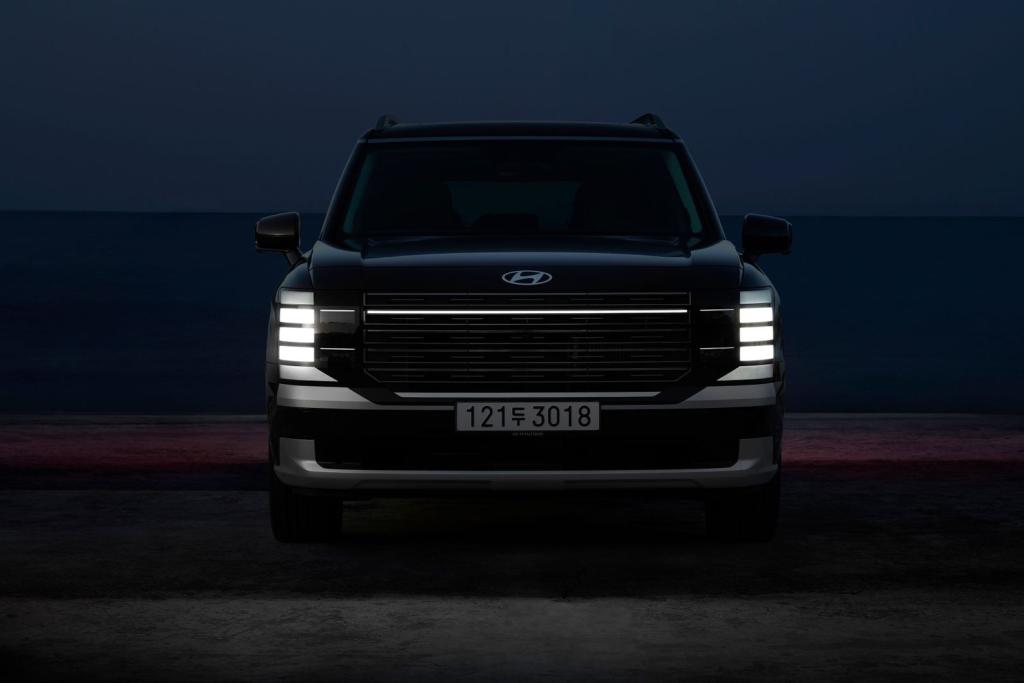
A Thousand Horsepower is the new headline number in the electric SUV wars. Mercedes-AMG has unveiled the GT SUV, an all-electric performance SUV that the company says is the first full-size SUV its performance division has developed entirely on its own, as Electrek reported on October 17, 2026. The first examples are expected to reach United States dealerships in the summer of 2027.
The newcomer is the second vehicle built on the company's dedicated AMG.EA electric architecture, following the electric GT 4-Door Coupé that was revealed earlier this year, and it borrows that car's motors and battery. Early coverage frames it as a direct answer to the Porsche Cayenne Electric, with more peak power on paper than its Stuttgart rival.
The spec sheet, translated
Three versions are headed to the United States at launch. The range-topping GT 63 pairs three axial-flux motors with a peak system output of 1,153 hp and 1,475 lb-ft of torque, good for an estimated run from zero to sixty in 2.6 seconds, or 2.4 seconds with the one-foot rollout drag strips use, before hitting an electronically limited 168 mph. The GT 55 uses the same three-motor layout for 805 hp and 1,372 lb-ft, reaching sixty in an estimated 3.0 seconds, or 2.7 with rollout. The entry GT 53 switches to two conventional synchronous motors making 536 hp and 590 lb-ft, with a two-speed rear transmission and a 3.7-second sixty sprint with rollout.
Those are peak figures, and the fine print matters. Mercedes also cites continuous output of 711 hp on the two upper trims and 362 hp on the base model, and every acceleration time is still an estimate rather than a certified figure, according to The Torque Report's breakdown of the launch materials.
The motors are the interesting hardware. Axial-flux units are flat and pancake-shaped, and they deliver far more power for their weight than the radial-flux motors found in most electric cars. Mercedes bought the British axial-flux specialist YASA in 2021, and the technology has already filtered down to the smaller AMG CLA 45.
A charger that mostly does not exist yet
Charging is where the numbers get wild. An 800-volt electrical system and a 128-kWh battery of directly cooled cylindrical cells let the two upper trims accept DC fast charging at up to 710 kW. Mercedes says a ten-to-eighty-percent charge takes about twelve minutes, adding 454 km (282 miles) of WLTP range in ten minutes, with total range rated up to 700 km on the WLTP cycle. The base trim carries a smaller 106-kWh pack that peaks at 600 kW and adds 380 km in ten minutes.
Here is the catch: almost no public charger in America can feed it that fast. The quickest units now being installed across the country, such as IONNA's latest hardware, top out around 400 kW, and a 750 kW charger once expected this year has slipped into next year, as Watts Up Next noted in its analysis. The SUV will support the NACS plug, so Tesla Superchargers will work fine — they simply will not come close to the car's peak rate. InsideEVs summed it up: the charging specs are even wilder than the power figures.
“With the new Mercedes-AMG GT SUV, we’re bringing the groundbreaking innovations of our AMG.EA architecture to a full-size SUV,” Jörg Burzer, the brand’s chief technology officer, said in a statement.
Why it matters beyond the spec sheet
A Thousand Horsepower in a family SUV sounds absurd until you remember how quickly electric performance went mainstream. Five years ago, that kind of output belonged to six-figure supercars; now it is the headline feature of a vehicle designed to carry kids, dogs, and a week's worth of groceries. The real story is not the horsepower, though — it is the charging. Automakers are now building cars faster than the grid can feed them, and whoever owns a driveway charger will feel the benefit long before the public network catches up.
There is also what Mercedes has not said. No pricing has been announced for any of the three trims, and real-world range always lands below WLTP lab figures, so the value equation is still blank. What is clear is the direction of travel: the performance arms race has fully moved to electrons, and the family hauler is its newest battleground.
The launch continues a busy stretch for consumer tech, from carriers testing what buyers will tolerate — see the debate over the Verizon iPhone Handoff fee — to family-focused gadgets like AiMOGA’s Mobo robot and the eternal question of whether your devices are still supported.
Timeline check: teased in August, unveiled in mid-October 2026, in American showrooms by next summer. Between now and then, the charging network has some catching up to do.
Comments 0
No comments yet. Be the first to share your thoughts!
Leave a comment
Share your thoughts. Your email will not be published.