The Home Robot Built for Family Life is about to step out of the demo reel and onto a real stage. AiMOGA Robotics, the robotics brand of Chinese automaker Chery, will formally showcase Mobo, its first consumer-grade humanoid robot designed for home companionship, at the 2026 Chery International User Summit in Wuhu — and global pre-orders open at the same time.
The unveiling is set for the twenty-first of October, part of a summit running from the nineteenth to the twenty-third under the theme "ECO-TECH FOR OUR FUTURE LIFE." Mobo has already appeared at public showcases, but this will be its formal global launch, with the brand positioning it as the first machine built specifically around everyday family life rather than factory floors or research labs.
What Mobo is designed to do
According to the company's announcement, the Home Robot Built for Family Life runs on AiMOGA's proprietary MoAgent AI system, which is built to interpret complex instructions, break them into actionable steps and plan longer-term tasks rather than simply reacting to isolated commands. That goal-driven design is the centerpiece: instead of a voice assistant that answers questions, Mobo is pitched as a household presence that follows through.
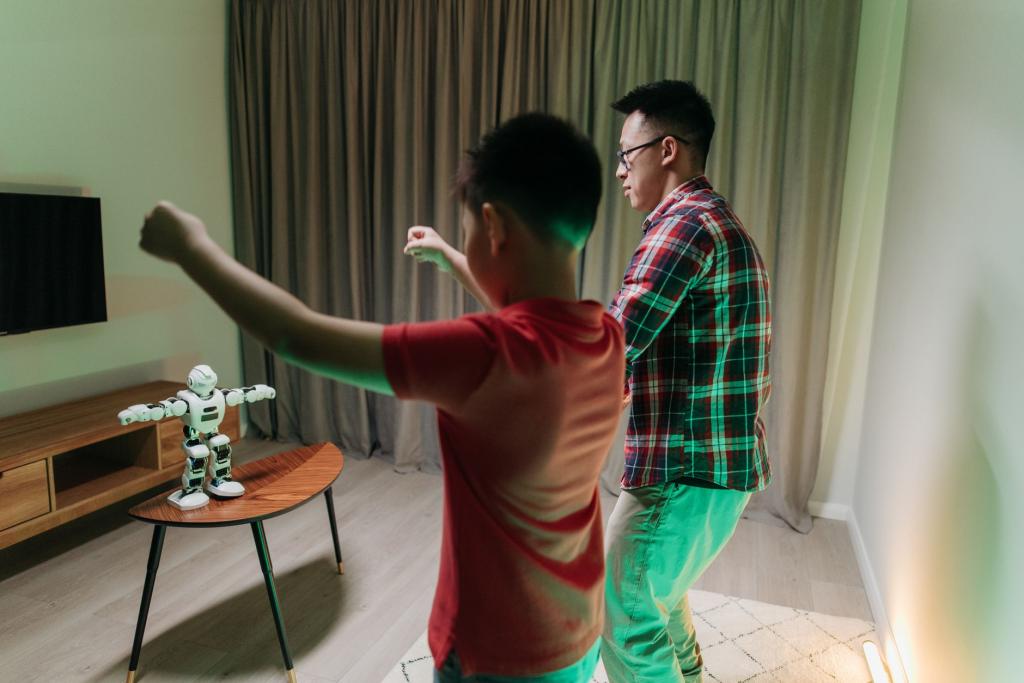
Combined spatial perception and multimodal interaction let the robot recognise objects, take in voice and visual information alongside conversational context, and move through home environments with dynamic obstacle avoidance. A full-body, twenty-two-degree-of-freedom motion system enables expressive gestures, stable movement and even dance routines — a signal that companionship, not just utility, is the point.
The family angle goes deeper than greetings. Mobo is designed to remember individual family members' habits and preferences, offer voice interaction and visual object recognition, give schedule reminders and follow up on earlier conversations, creating more continuous interactions at home. The company says privacy protection was built in from the outset, a notable claim given that the machine is meant to learn the routines of the people living with it.
Why a carmaker is building a family robot
Chery established AiMOGA in January 2025, and the brand has moved fast. Its broader robot lineup has passed three thousand cumulative global deliveries across more than sixty countries and regions — a scale reported by Reuters in August, while the company reportedly prepared for a possible public listing. Thirty-one in-house research laboratories now support technologies including motion control and intelligent perception.
The strategy is vehicle-robot synergy: technologies developed for intelligent cockpits and assisted driving feed into robotic motion control and decision-making, while Chery's supply chain, manufacturing and quality-control experience carries over to production. In April, the brand began selling earlier models directly to consumers through its flagship online store, with a full humanoid listed at two hundred eighty-five thousand eight hundred yuan — roughly forty-two thousand dollars — and flexible options including long-term leasing and installment payments. More than three hundred dealer agreements were signed at an earlier franchise conference.
Mobo has no announced price, no published specifications and no shipping schedule, so the launch should be read as a product debut rather than a proven consumer deployment. That is the honest counterpoint to the showcase: a robot that remembers your habits is a compelling idea, but until buyers know what it costs, how their data is handled and when it actually ships, the family-companion pitch is a promise, not a product review.
What to watch when pre-orders open
The real test begins when the order books open. Pricing will determine whether Mobo follows the path of its pricey predecessor or lands within reach of ordinary households, and the leasing and installment models the brand already uses suggest it wants the barrier low. Privacy terms will matter just as much: a machine with long-term memory of family routines invites questions about where that data lives and who can see it.
The race for the home is also getting crowded, with carmakers, tech giants and startups all pushing embodied AI toward the living room. Mobo's pitch — a goal-driven machine that plans tasks and keeps continuity across days — is aimed squarely at that moment. For readers tracking the tech beat, it lands alongside stories like OpenAI's video app eyeing a Hollywood revival, carriers charging for iPhone handoff features and the Windows 11 end-of-support cutoff — another week where the gadgets in our homes keep getting smarter, and the questions about them keep getting bigger.
Comments 0
No comments yet. Be the first to share your thoughts!
Leave a comment
Share your thoughts. Your email will not be published.