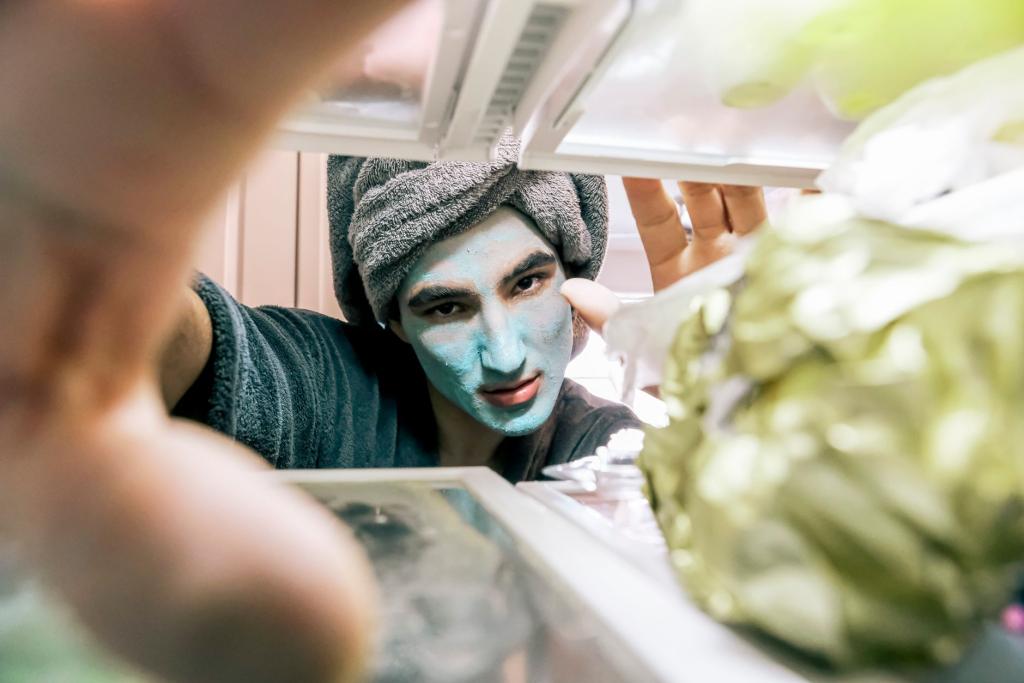
Your fridge is wasting food, and the fix starts with a better look inside it. Open the door, stare at the shelves, close it again, and order takeout: that small nightly ritual is quietly one of the biggest sources of food waste in Australian homes, according to new TikTok research. Now the platform is trying to turn the habit around with a campaign built on leftovers.
The campaign, called Leave No Crumbs, asks people to treat unused ingredients and leftovers as the starting point for the next meal rather than something destined for the bin. The idea is simple: your fridge is wasting food because good ingredients go unseen. It draws on FoodTok, the platform's food community, which has passed 9.7 million posts worldwide, and on creators who have already turned forgotten staples into viral hits.
The research behind the push, conducted by YouGov among Australian adults surveyed in September 2026, found that 40% of households bin unused food or ingredients at least weekly. Across a year, that habit can add up to 113 kilograms of food wasted per household.
Why good food gets forgotten
Forgetting, more than carelessness, drives the waste. According to the survey, 28% of people forget what is in the fridge, and the gap between good intentions and follow-through is wide: nearly half of respondents say they plan another meal around leftover ingredients, yet many never get there.
Time is the other thief. A further 26% forget how long ingredients have been sitting there, so food that was fine earlier in the week becomes a mystery container by the weekend.
Households with kids feel the squeeze hardest. According to the research, 51% of them send food to the bin every week, compared with 36% of households without kids. Bigger shops, changing appetites, and busier evenings leave less room for using up what is already open, and the grocery run itself eats into cooking time.
Fridge habits that turn forgotten food into dinner
The campaign's answer is practical rather than preachy: a handful of small habits that make the food you already own easier to see, reach, and use. These habits work because your fridge is wasting food through forgetfulness, not carelessness. Each one takes less time than scrolling for a takeout menu.
- Shop your fridge first. Keep an eat-me-first shelf at eye level for food that must go today, and check it before you buy anything new.
- Date it when you open it. A strip of tape and a marker end the guessing game about how long something has been open.
- Make leftovers visible. Store them in clear containers at the front, not buried behind jars where they are easy to forget.
- Cook one use-it-up meal a week. Stir-fries, soups, fried rice, and pasta are built for odds and ends, and they turn a half onion and leftover grains into dinner.
- Freeze the escape hatch. Bread, cooked grains, and sauces freeze well, so when the week gets away from you, the food waits instead of spoiling. Pair it with a ten-minute freezer check so the backup stash stays safe.
Leftovers have an image problem
When your fridge is wasting food, leftovers are usually the first casualty. One reason they go uneaten has nothing to do with food safety. According to the research, one in five people aged 18 to 24 feel embarrassed eating leftovers in public, and parents report the feeling even more often. Leftovers read as a compromise, something to hide, rather than a smart lunch.
The same survey found that 17% of people let leftovers go bad before eating them, which suggests embarrassment and forgetfulness feed each other: food hidden at the back of the fridge is easy to ignore and easy to feel awkward about later.
FoodTok is pushing the other way. Creators have revived staples such as cottage cheese, which has drawn more than 500 million views, and turned simple recipes such as feta pasta into a sensation with over 1.1 billion views. The message is that cooking with what you have is creative, not a compromise.
Creator Krissy Marsh built a weekly Tuesday Night Dinner series around the same idea, cooking with some of the most wasted ingredients, including stale bread, which makes up 86% of the bakery items households throw away, and sending guests home with containers of leftovers.
Why it matters beyond your grocery bill
Wasted food costs more than the price of the ingredients. According to OzHarvest research, Australia wastes 7.6 million tonnes of food each year, and much of that waste comes from homes. Frozen produce can stretch a shop further, since it waits patiently instead of spoiling. When food rots in landfill it releases methane, a greenhouse gas far more potent than carbon dioxide, and wasted food overall accounts for around a tenth of global emissions.
In a statement, Monique Llewellyn, national campaign manager at OzHarvest, said tackling food waste at home is the single most impactful action each of us can take on climate change, adding that small habits really do make a big difference.
That is the bet behind the campaign: if millions of people change one fridge habit, the savings add up in money, meals, and emissions. Start with tonight's dinner, and let the fridge tell you what to cook.
Your fridge is wasting food today. With a clearer shelf, a marker, and one use-it-up meal a week, it does not have to tomorrow.
Comments 0
No comments yet. Be the first to share your thoughts!
Leave a comment
Share your thoughts. Your email will not be published.